
Reviewed · ALCAZABA AND GIBRALFARO TOURS
Private walking tour: Cathedral, Alcazaba and Roman Theatre
Málaga’s story comes in layers here: Roman stonework, an 11th-century Muslim fortress, and a grand cathedral known as La Manquita, or the one-armed lady. This private tour links all three in one walk, with a guide who can adjust the route to your group.
I like the private format, which lets you ask questions and set the pace. I also like that all three entrance tickets are included, so you can focus on the buildings instead of sorting out admissions. The main caution is the walking: steep sections and uneven cobblestones in the Alcazaba make this a poor fit for wheelchair users or anyone who has trouble with hills.
Key points at a glance
- Roman, Muslim, and Christian Málaga in one route: See the Roman Theatre, Alcazaba, and Cathedral together.
- A genuinely private visit: Your guide can adapt the emphasis and pace to your group.
- Maria Lourdes may be available: She has been praised for kind, attentive guiding and for adapting to difficult weather and different walking speeds.
- Tickets are covered: Admission to the Roman Theatre, Alcazaba, and Cathedral is included.
- Historic-center pickup is possible: Request pickup from your hotel or another central location at least 24 hours ahead.
- Plan for uneven ground: The Alcazaba includes steep areas and cobblestones, so comfortable shoes matter.
Three eras of Málaga in a single walk
This tour gives you a useful first look at Málaga by putting its most important monuments in a sensible order. You begin near the Roman Theatre, climb through the Alcazaba, then return toward the Cathedral and Plaza del Obispo.
That sequence helps you see how the city changed over time. Roman Málaga, Muslim Málaga, and Christian Málaga are not separate museum pieces here. They sit close together, sometimes almost on top of one another.
The experience lasts three hours, with English or Spanish guiding listed. It is a private group, not a large shared walk, and the route can be adjusted around your interests. If your group cares more about architecture than military history, or art than archaeology, tell the guide at the start.
One practical note deserves attention. The scheduled visit blocks add up to about three hours and 20 minutes before counting the 10-minute walk between points, while the advertised duration is three hours. These timings may be flexible estimates, but I would confirm the expected pace when booking, especially if you have another appointment afterward.
More Roman Theatre and Cathedral Visits in Malaga:
- Málaga: Alcazaba and Roman Theatre Guided Tour With Entry
★ 4.8 · 5,792 reviews - From Malaga: Cordoba Day Trip and Mosque-Cathedral
★ 4.5 · 563 reviews - Malaga Tour with Cathedral, Alcazaba and Roman Theatre
★ 4.5 · 548 reviews
Starting at C/ Alcazabilla, 3
The meeting point is at C/ Alcazabilla, 3, a useful place to begin because the Roman Theatre and Alcazaba are close by. You can also request pickup from a hotel or another location in Málaga’s historic center, provided you contact the operator at least 24 hours ahead.
The tour ends back at the meeting point. That makes the walk easy to fit into a day of sightseeing, though you should not assume the guide will return you to a hotel outside the historic center.
The old town is best handled on foot, and this experience does not include food, drinks, or additional entrances beyond the three named monuments. Wear shoes with a firm sole. Sandals or smooth casual shoes may be uncomfortable on the Alcazaba’s stone paths.
Roman Theatre: Málaga’s oldest major stop
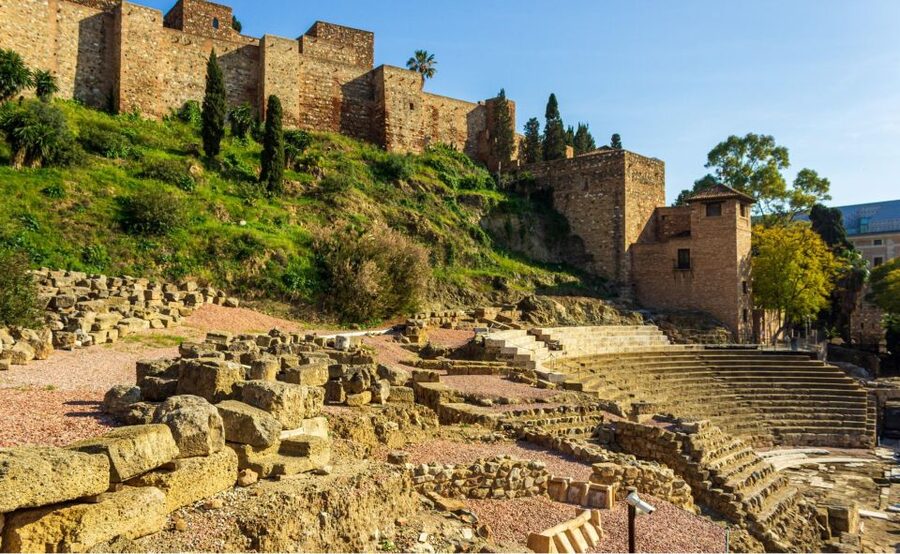
The Roman Theatre is scheduled for about 30 minutes. It is the most visible surviving reminder of Roman Malacca, the ancient city that occupied this site.
Built in the first century AD, the theatre served both entertainment and public life. It was not simply a place to watch performances. The arrangement of the building also reflected power and social rank, giving the guide a chance to explain how Roman public architecture shaped civic life.
The theatre spent centuries buried underground. Its rediscovery adds an appealing twist to the visit, since the remains were hidden beneath later layers of the city. It was declared a Cultural Interest Asset as an Artistic Monument in 1972.
Do not expect a full morning of archaeology here. The visit is short, and the theatre is only the opening chapter. Its value comes from context: once you understand that this was a working Roman public building, the fortress above it feels less like an isolated monument and more like part of a long urban story.
The 10-minute walk that follows takes you onward to the Alcazaba. Since the stops are close, no transport is needed between them.
Entering the Alcazaba’s defensive world
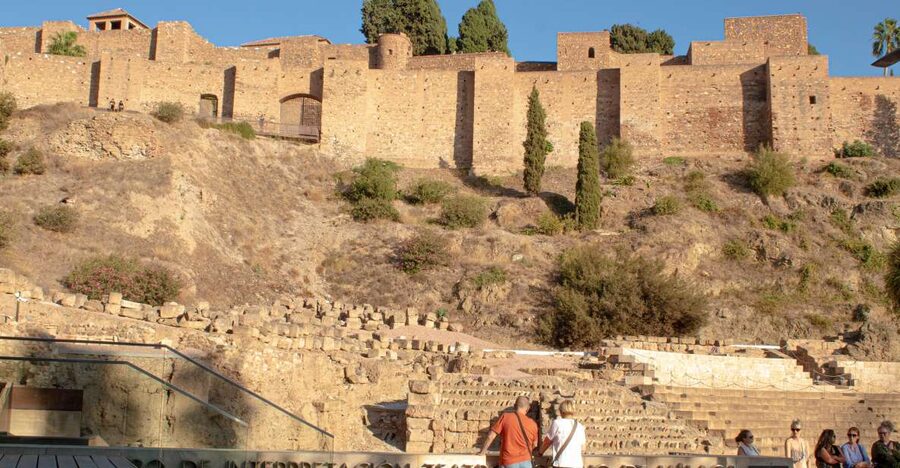
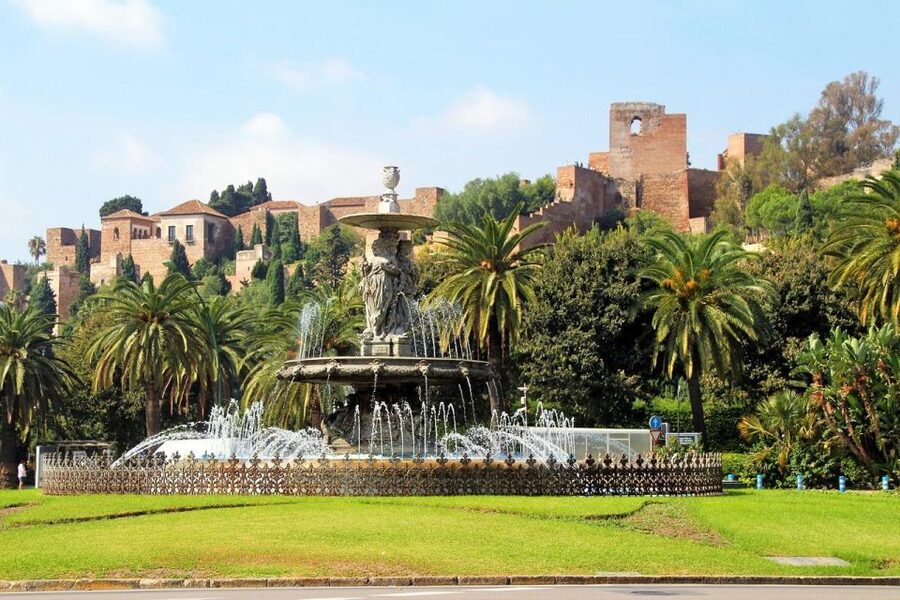
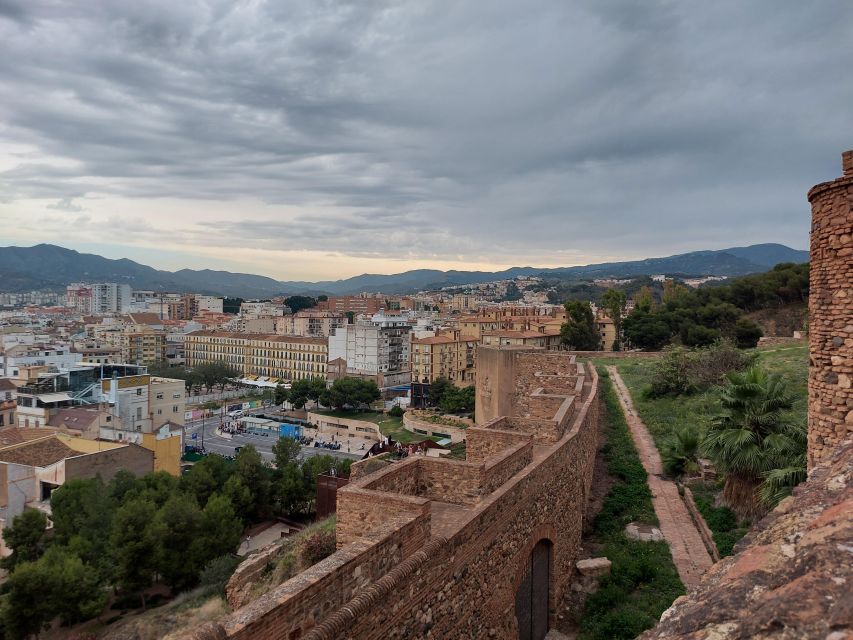
The Alcazaba receives the largest time block, about 80 minutes, and rightly so. This 11th-century palatial fortress was built on the lower slopes of Mount Gibralfaro, where its position helped protect the city.
The Arabic word alcazaba means citadel. This was not just a military shell. Muslim rulers lived here, and the complex combined defense with palace spaces. The strong walls and elevated position explain why it gained a reputation as nearly impregnable.
Your guide can help you read the site in two ways. Look at the fortification as a military structure, with its routes, walls, and high ground. Then notice the more refined palace setting, which reflects the daily life and authority of Málaga’s Muslim rulers.
The Alcazaba also has a later chapter that many quick visits miss. In the 19th and 20th centuries, parts of the complex became a humble neighborhood. It was declared a National Monument in 1931, followed by extensive restoration. What you see today is among the best-preserved examples of Islamic military architecture in Spain, but it is also a restored site with many layers of use.
The physical demands are real. Expect steep areas and cobblestone surfaces. The activity is specifically not suitable for wheelchair users, and baby carriages are not allowed. If someone in your group has knee, balance, or mobility concerns, ask about the route before paying.
I would also allow the guide to set a steady pace rather than rushing to photograph every corner. The private format helps here. Maria Lourdes, one of the guides associated with this experience, was praised for being attentive and for matching the pace to the group, even in difficult weather.
More Alcazaba and Gibralfaro Visits in Malaga:
- Alcazaba Malaga Guided Tour
★ 5.0 · 1,457 reviews - Málaga: Cathedral, Alcazaba, Roman Theater Walking Tour
★ 4.7 · 315 reviews - Malaga: Gibralfaro Castle, Bullring and Port Segway Tour
★ 4.8 · 298 reviews - Tour to Gibralfaro
★ 4.7 · 182 reviews
Plaza del Obispo and the approach to the Cathedral
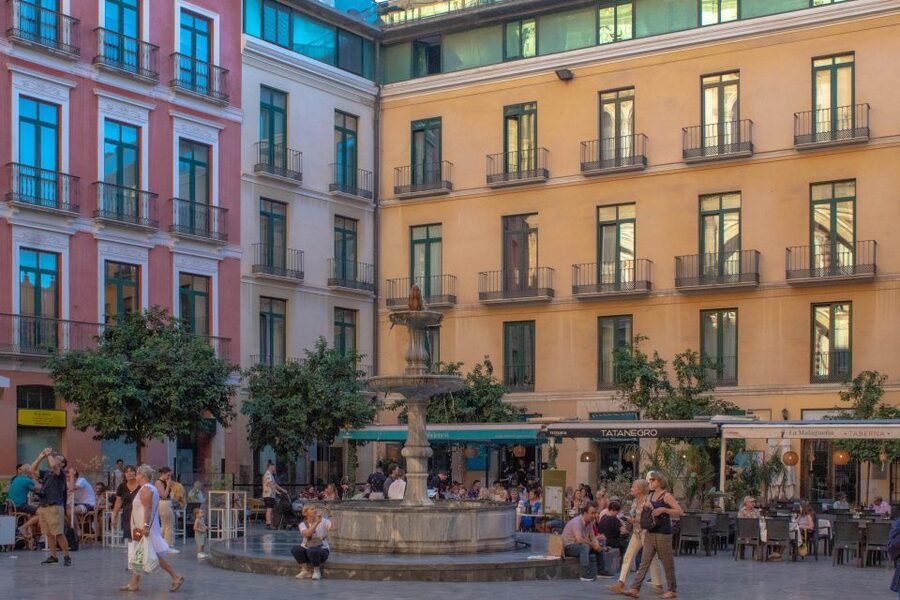
After the Alcazaba, the route continues on foot to Plaza del Obispo. The guided portion here lasts about 30 minutes, giving you time to understand the Cathedral’s setting before entering it.
This square helps connect the building to Málaga’s Christian period and to the older Muslim city beneath it. The Cathedral was built in relation to the former Aljama Mosque, so the transition from the Alcazaba to the Cathedral is not random. It traces a change in power, religion, and urban identity.
The guide also points out the Portal del Sagrario, an important part of the Cathedral’s exterior. This is a good place to pause and look closely rather than treating the plaza as a simple passageway.
Because the tour is private, you can ask for more time here if facades and city planning interest you. If you are eager to get inside and focus on paintings, chapels, and structure, the guide can keep the exterior explanation tighter.
Inside Málaga Cathedral, the one-armed lady
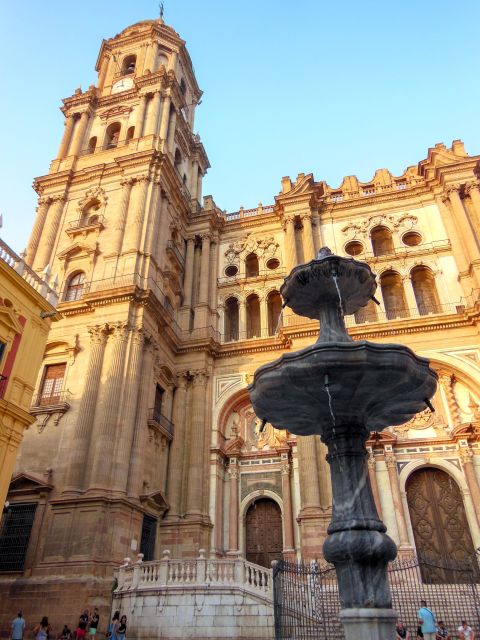
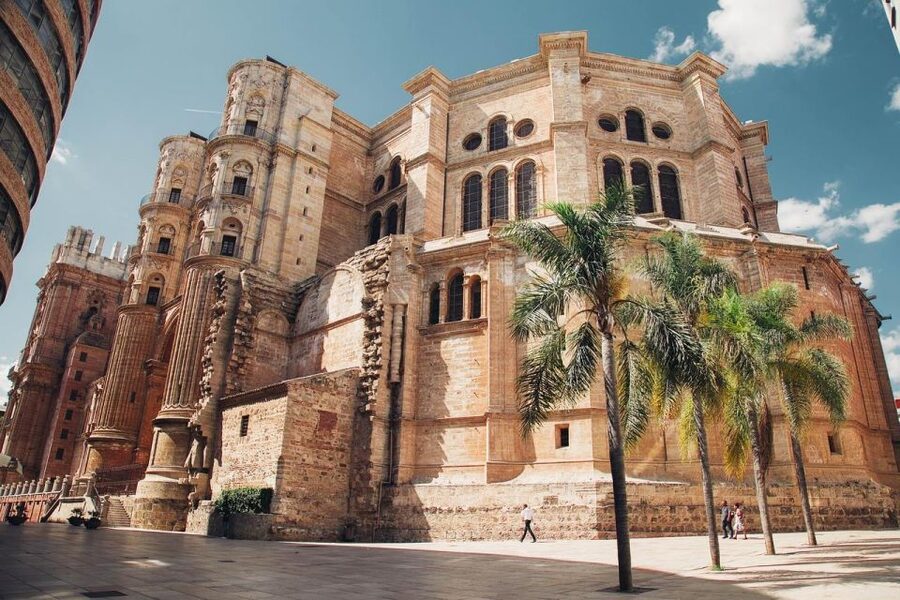
The Cathedral visit is scheduled for about an hour. Locally, it is called La Manquita, the one-armed lady, because the main facade was never fully completed.
That unfinished look is part of the building’s character. The Cathedral of Our Lady of the Incarnation grew out of the earlier mosque site, and its construction process reflects the long change from Muslim to Christian Málaga. The guide explains the unfinished elements rather than treating them as a flaw to be ignored.
Inside, pay attention to the scale of the vaults and columns. The tour also covers the main altar, principal chapels, and the choir with its carved wooden stalls. These details give the hour a good balance between architecture, religious art, and craftsmanship.
I find the Cathedral especially useful as the final stop because it gathers the themes introduced earlier. The Roman Theatre showed public life in the ancient city. The Alcazaba showed Muslim power and defense. The Cathedral presents the Christian city that followed.
The included ticket matters here. You are not spending time arranging separate admissions at three different sites, and the private guide can explain what you are seeing as you move through each monument. The tour also includes skip-the-ticket-line access, though timing and local conditions can still affect how quickly you enter.
What private guiding changes
A private tour costs $119 per person. That is not the cheapest way to see Málaga’s monuments, particularly for a solo visitor or a couple watching every euro. The value improves as your group grows, since the price is per person but the guide’s time is dedicated to your party.
You are paying for more than entry. The fee includes a professional local guide, the three monument tickets, taxes, and the ability to shape the route around your interests. Hotel or central pickup is also available when arranged in advance.
The private setup is most useful if you want explanation rather than a quick checklist. You can ask why the Roman Theatre was buried, how the Alcazaba functioned as both palace and fortress, or why the Cathedral remains unfinished. You can also ask the guide to adjust the rhythm if one person wants more time in the chapels and another prefers military architecture.
The experience is less compelling if you only want independent access. Málaga’s monuments can be visited without a private guide, and three hours may feel tightly packed for someone who wants to linger at every stop.
Language, weather, and walking pace
English and Spanish are the listed tour languages. Maria Lourdes was specifically praised for guiding in French, so French-speaking groups should ask about her availability rather than assume it is guaranteed.
The warm personal approach described for Maria Lourdes is useful because this is not a passive bus tour. You walk, climb, and move over old surfaces. She was praised for adapting to the group and keeping a friendly relationship with clients, including during difficult weather.
You should still bring sensible gear. Comfortable shoes and comfortable clothing are listed as essentials. Food and drinks are not allowed inside the monuments, and smoking indoors is prohibited. Sleeveless shirts are also listed among the prohibited items, so dress conservatively for the Cathedral.
The tour does not promise a fixed start time. You need to check availability, which is helpful if you are fitting the walk around a train, cruise, or another activity. If your schedule is narrow, confirm both the start time and the expected end time because the listed stop lengths run slightly longer than the advertised three-hour total.
Who will get the most from this tour
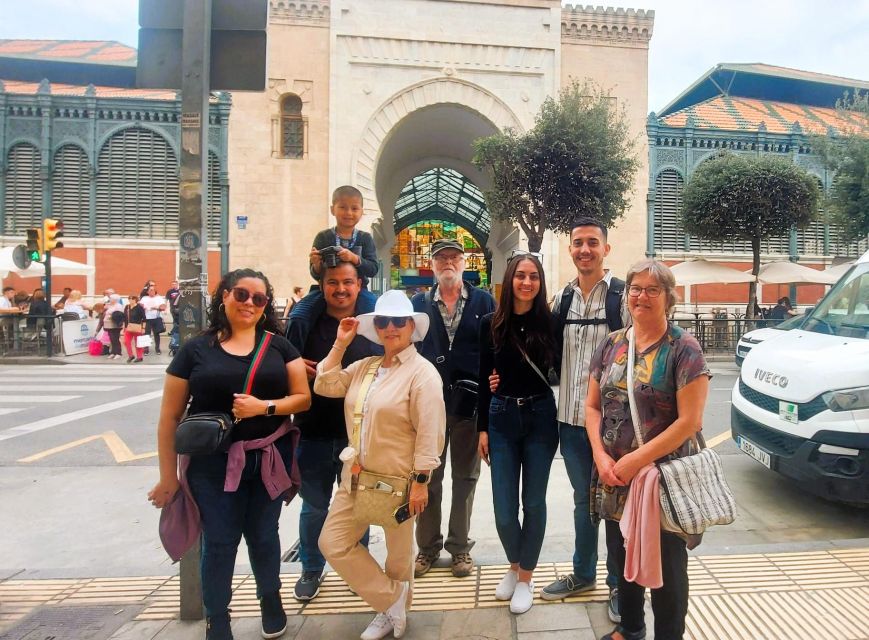
I would recommend this experience to a first-time visitor who wants Málaga’s major historic sites explained in one coherent outing. It suits couples, families with older children, and small groups who prefer to ask questions without a crowd listening in.
It is also a good choice if you want a guide to connect the city’s different cultures rather than discuss each building in isolation. The route covers Phoenician origins in the broader city story, then Roman, Muslim, and Christian periods through the monuments themselves.
The tour is less suitable for wheelchair users, people who cannot manage steep or uneven ground, or anyone looking for a leisurely, low-effort stroll. The Alcazaba is the key concern. Baby carriages are not allowed, and food and drinks are not part of the experience.
If your main interest is modern Málaga, food, or Picasso, this is not the right focus. The route is firmly centered on the city’s major historical monuments.
Booking details worth checking
You can cancel up to 24 hours before the activity for a full refund, and reserve now while paying later. That flexibility is useful when your Málaga plans may change.
The tour accepts private groups and offers English or Spanish guiding. Request central pickup at least 24 hours in advance if you do not want to meet at C/ Alcazabilla, 3.
Bring comfortable shoes, avoid sleeveless shirts, and do not plan to carry food or drinks into the sites. If French guiding is important, ask specifically whether Maria Lourdes is available. Her careful pacing and friendly manner could make a real difference for a group that wants a more personal visit.
Should you book this Málaga walking tour?
Book it if you want the Roman Theatre, Alcazaba, and Cathedral explained as one connected story, and if you value a private guide enough to pay for the added attention. The included tickets and central pickup option improve the deal, particularly for a small group.
Skip it if $119 per person feels high for three hours, if you prefer to explore alone, or if steep cobblestone paths are a serious problem. For the right group, this is a focused way to get your bearings in Málaga and understand why its most famous monuments belong together.
FAQ
How long does the private walking tour last?
The advertised duration is three hours. The listed stop times total about three hours and 20 minutes before the 10-minute walk, so confirm the expected timing when booking.
What monuments are included?
The tour includes the Roman Theatre, the Alcazaba of Málaga, Plaza del Obispo, and Málaga Cathedral.
Are entrance tickets included?
Yes. Admission to the Roman Theatre, Alcazaba, and Cathedral is included.
Is the tour private?
Yes. It is offered as a private group experience.
Where does the tour begin?
The optional meeting point is C/ Alcazabilla, 3. Pickup from a hotel or another location in Málaga’s historic center can be requested at least 24 hours in advance.
Where does the tour end?
The activity ends back at the meeting point.
What languages are available?
English and Spanish are listed. Maria Lourdes has also been praised for guiding in French, so ask about French availability when booking.
Is the Alcazaba suitable for wheelchair users?
No. The experience is not suitable for wheelchair users, and the Alcazaba includes steep sections and cobblestone ground.
What should I bring?
Bring comfortable shoes and comfortable clothes. The walking surfaces at the Alcazaba can be uneven.
Can I cancel the tour?
Yes. You can cancel up to 24 hours in advance for a full refund. A reserve-now, pay-later option is also available.
More Walking Tours in Malaga
- Malaga Bike Tour – Old Town, Marina & Beach
★ 4.7 · 1,150 reviews - Málaga: 3-Hour Complete Walking Tour with Tickets
★ 4.5 · 976 reviews - Málaga: Historic Center Tour with Local Guide
★ 4.9 · 162 reviews - Malaga Private Walking Tour, Alcazaba & Catamaran Cruise
★ 5.0 · 159 reviews
Just added around Malaga
- e-Bike (Self-Guided) Setenil Circular – 41km Easy★ 5.0 · 11 reviews
- e-Bike (Self-Guided) & Winery tour – 20km Easy★ 5.0 · 6 reviews
- Night theatrical visit to the English cemetery★ 4.2 · 5 reviews
- Ronda Private Full Day Wine Tour★ 4.5 · 8 reviews
- 2h E-bike tours+1day extra in Malaga★ 5.0 · 28 reviews
- Wine & Tapas tour by electric bike (e-bike) including Ronda pickup (half day)★ 5.0 · 33 reviews
- Yacht ride in Puerto Banús★ 5.0 · 26 reviews
- Tour the Sanctuary and Walk with the Donkeys and Share their Love★ 5.0 · 13 reviews
Alcazaba and Gibralfaro Tours, compared.
Alcazaba and Roman Theatre Guided Tour With Entry
Read our review →
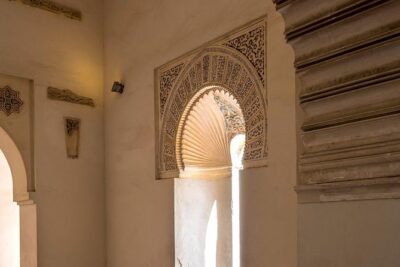
Malaga Tour with Cathedral, Alcazaba and Roman Theatre
Read our review →
Cathedral, Alcazaba, Roman Theater Walking Tour
Read our review →
Gibralfaro Castle, Bullring and Port Segway Tour
Read our review →
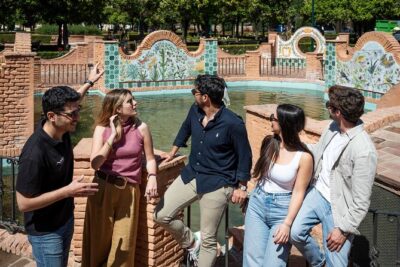
Malaga Private Walking Tour, Alcazaba & Catamaran Cruise
Read our review →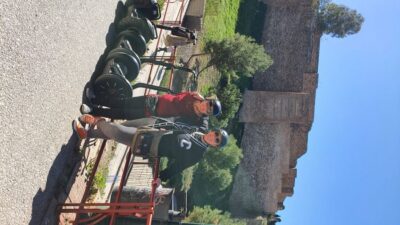
Browse the lists this tour appears in