
Reviewed · MALAGA WALKING TOURS
Malaga: Walking Tour of Must-See Attractions
Málaga’s past is packed into a walkable city center, where a Roman Theater, Moorish fortress, grand cathedral, Picasso sites, and elegant pedestrian streets sit close together. I like that this tour connects those pieces instead of treating them as separate photo stops. The Roman Theater and Alcazaba give you the clearest sense of Málaga’s long story.
I also like the stop at the Church of Santiago, where Picasso was baptized, and the practical advice you get about what to see next. Guides including David, Borja, and Maura have been praised for being prepared, friendly, and generous with their time. The main drawback is pace: two hours is enough for orientation, but not enough for a thorough visit inside every monument.
Key points at a glance
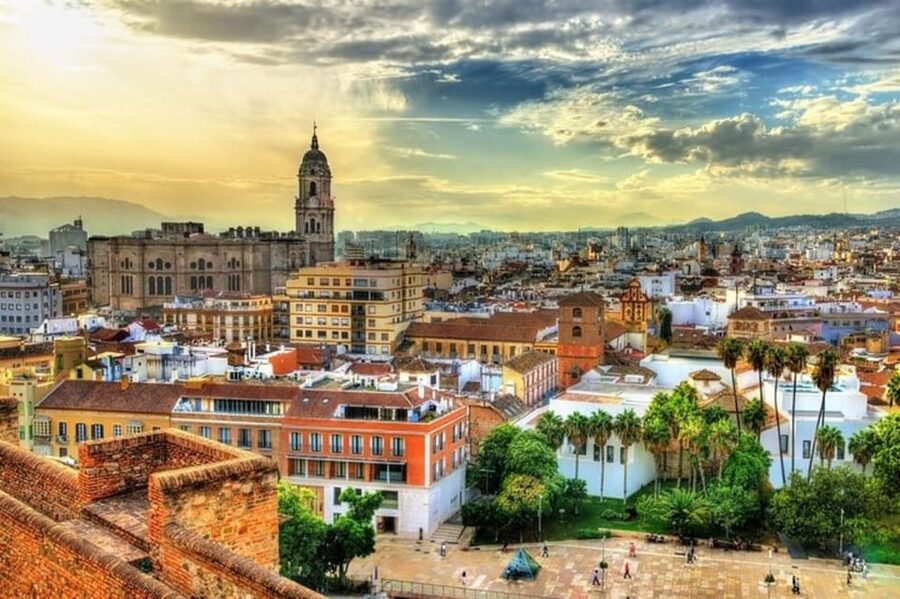
- A compact route through central Málaga: The walk links the cathedral, Alcazaba, Roman Theater, Church of Santiago, Málaga Museum, Plaza de la Merced, and Calle Larios.
- Roman and Moorish Málaga in one outing: You see the remains of the first-century BC Roman Theater and the 11th-century Alcazaba.
- Picasso connections add a personal touch: The route includes the Church of Santiago and Plaza de la Merced, tied to Picasso’s baptism and childhood.
- A guide-led introduction, not a full museum tour: Expect explanations, sightseeing, and photo stops rather than long interior visits.
- Useful for first-day planning: Your guide can suggest other things to do in Málaga after the walk.
- Good flexibility for many visitors: The activity lasts two hours, is wheelchair accessible, and offers English, French, Italian, and Spanish tours.
Why this Málaga walk works well
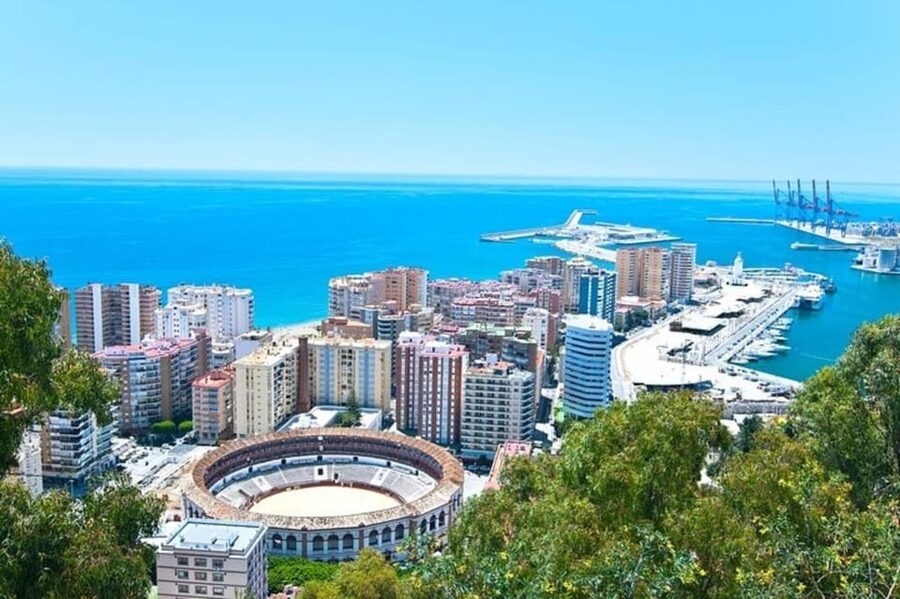
Málaga can feel confusing at first. Its old center has grand monuments, narrow streets, museums, churches, shops, and open plazas packed into a relatively small area. A guided walk gives you a framework before you start exploring on your own.
This tour begins at Alameda Principal, a central meeting point close to the cathedral, Picasso Museum, cafés, shops, and other sights. That location matters. You do not spend the first part of your morning reaching the historic center. You start in the middle of it.
The route is also sensible for a short introduction. It moves between Roman, Moorish, Christian, artistic, and modern Málaga without asking you to take a bus or taxi. You get a broad picture of the city in two hours, then decide where you want to return for more time.
The tour has a published rating of 4.8 from 79 assessments. The most consistent praise focuses on the guides themselves. David is described as prepared, friendly, and willing to give his time. Borja is noted for his professional and responsive manner, while Maura is praised as pleasant and welcoming. That matters on a walking tour because the guide controls the pace and turns a list of monuments into a useful story.
Still, keep your expectations in the right place. At $35 per person, this is priced as an affordable orientation walk, not as a private archaeology seminar or a series of full museum visits. Food and drinks are not included, and the two-hour schedule leaves only about 15 minutes at each named stop before you account for walking between them.
More Walking Tours in Malaga:
- Malaga Bike Tour – Old Town, Marina & Beach
★ 4.7 · 1,150 reviews - Málaga: 3-Hour Complete Walking Tour with Tickets
★ 4.5 · 976 reviews - Málaga: Cathedral, Alcazaba, Roman Theater Walking Tour
★ 4.7 · 315 reviews
Plaza de la Merced and Málaga’s Picasso connection
Plaza de la Merced is one of the most personal stops on the route. Rather than presenting Málaga only through kings, soldiers, and religious buildings, the square connects the city to Pablo Picasso’s early life. Picasso spent his childhood days here, giving the area a direct link to one of Spain’s best-known artists.
You will have time for a guided visit, sightseeing, and photographs. The value is mainly in the setting and the explanation. A guide can help you place Picasso within Málaga instead of treating his name as a separate museum subject.
The stop is also useful for orientation. It shows you a more open public space before the route returns to the tighter streets and major monuments of the historic center. If Picasso is your main reason for visiting Málaga, remember that this walk points out the connection but does not replace a visit to the Picasso Museum.
Málaga Cathedral in a 15-minute stop

Málaga Cathedral is one of the city’s defining sights, and the tour gives it a focused introduction. Its scale and grand appearance make it easy to understand why it anchors the old center.
The scheduled stop is about 15 minutes, including the guide’s explanation, sightseeing, walking, and photographs. That is enough to appreciate the exterior and understand the cathedral’s place in Málaga. It is not enough for an unhurried interior visit, detailed art viewing, or a tower climb.
That distinction is important when you plan your day. You can use the walk to decide if the cathedral deserves a longer return visit. If you already know you want to explore it in detail, treat this part as an introduction rather than your complete cathedral experience.
The Alcazaba and Málaga’s Moorish past
The Alcazaba is an 11th-century Moorish fortress and one of the most important stops on the route. Its presence adds a different layer to Málaga, following the Roman remains and preceding the later Christian landmarks.
The guide helps you connect the fortress to the city around it. You will have time for sightseeing and photos, but the schedule again favors a broad explanation over a full architectural study. The tour information does not promise an extended interior visit, so ask your guide how the stop will be handled on your departure date.
I like this part of the walk because it gives the city more depth without requiring a separate excursion. You see how Málaga’s central monuments belong to different periods, often only a short walk apart. That contrast is one of the strongest reasons to book a history-focused city walk instead of exploring the streets without context.
If the Alcazaba is high on your list, plan additional time for it outside the tour. The 15-minute schedule will help you decide what to look at later, but it will not satisfy someone who wants to study every section.
A few more Malaga half-days to compare
- Malaga Private Walking Tour, Alcazaba & Catamaran Cruise
★ 5.0 · 159 reviews - Guided Walking Tour of the Old Town of Frigiliana
★ 5.0 · 101 reviews - Malaga Private Walking Tour, Alcazaba & Catamaran Cruise
★ 4.7 · 92 reviews - 1.5-Hour Roman Theater and Alcazaba Castle Walking Tour
★ 4.5 · 74 reviews
The Roman Theater beside the Alcazaba
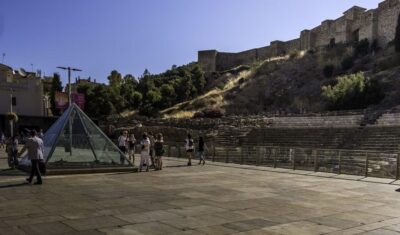
The Roman Theater dates from the first century BC and offers the oldest major historical reference on this walk. Its archaeological remains show that Málaga was an important settlement long before the Moorish fortress and Christian monuments shaped the city skyline.
The theater is especially effective as part of this particular route because it sits near the Alcazaba. In a short space, you can compare Roman engineering with later Moorish construction. That physical relationship makes the city’s long timeline easier to grasp.
This is a photo stop and guided sightseeing visit, so you should expect an explanation of what remains rather than an extended archaeological tour. The route places the Roman Theater near the end of the listed sequence, although the exact order can depend on how the guide conducts the walk.
For many people, this will be the tour’s most memorable historical stop. The remains are visible in the middle of modern Málaga, which makes the past feel close rather than sealed away in a distant museum.
Málaga Museum and the city’s art story
The Málaga Museum houses the Fine Arts and Archaeology museums. Even if you do not enter for a full visit, passing it gives you a useful overview of the city’s cultural side.
This stop helps balance the ancient monuments. The Roman Theater and Alcazaba explain Málaga’s earlier periods, while the museum points toward painting, archaeology, and the city’s wider artistic legacy. If you are deciding how to spend a free afternoon, the guide’s comments can help you judge if the museum fits your interests.
The stop lasts about 15 minutes, so think of it as a preview. You may see the building, hear about its collections, and take photographs, but you should not expect time to work through both museum sections during the walking tour.
That is not a weakness if you use the tour as a first look. It is a limitation only if you want a museum-centered outing. In that case, schedule a separate visit.
The Church of Santiago and Picasso’s baptism
The Church of Santiago was built in 1490 and is described as the oldest church in Málaga. It is also where Picasso was baptized, which makes it one of the route’s most interesting links between religious history and modern art.
The stop gives you another way to understand Picasso’s connection to the city. Plaza de la Merced relates to his childhood, while the church ties him to a specific religious and civic setting. Together, those two locations make Málaga feel like more than a place that simply claims an artist’s name.
You will have time for a guided visit and photographs. As with the cathedral, the short schedule means you should expect a concise explanation rather than a long examination of the church’s interior.
I find this kind of stop especially useful for visitors who enjoy personal details. A date, a baptism, and a childhood neighborhood can make the city easier to remember than a string of architectural facts.
Calle Larios and central Málaga today
Calle Marqués de Larios, usually called Calle Larios, is one of Málaga’s best-known pedestrian streets. It is elegant, central, busy, and lined with the everyday city life that historic monuments alone cannot show you.
This is the most modern-feeling part of the route. You can take in the street, browse shops, and see how Málaga’s old center functions as a living part of the city rather than a museum display. The tour also describes a lively market, giving you a chance to ask about food, shopping, and other places worth visiting.
Because the walk includes shopping and sightseeing here, it is a good place to end the formal route. You are already in a useful area for continuing on your own. Your guide can point you toward other activities in Málaga, which is one of the practical benefits of taking this tour early in your stay.
Do not expect food or drinks to be included. If you want a break, plan to stop afterward at your own expense.
What the two-hour format really means
The route lists nine locations or areas, including Alameda Principal, Plaza de la Merced, Málaga Cathedral, the Alcazaba, Málaga Museum, the Church of Santiago, Costa del Sol, Calle Larios, and the Roman Theater. Several stops are scheduled for about 15 minutes.
That creates a brisk but manageable introduction. You will walk, listen, photograph, and move on. You will not have the time to linger at every doorway or explore each museum at length.
The inclusion of Costa del Sol is less specific than the monument stops. It is described as a photo stop, guided visit, sightseeing, and walk. Treat this as a chance to connect the city with the wider coastal region, not as a separate beach excursion or a long scenic outing.
Comfortable shoes are sensible because the activity is entirely on foot. The tour is wheelchair accessible, which is useful for visitors who need an accessible route, although the exact ease of each street or monument area can depend on the route used that day.
The guide makes the difference
A walking tour is only as good as the person leading it. Here, the strongest praise is directed at the human side of the experience. David is described as particularly prepared, friendly, and willing to answer questions. Borja is noted for his professional and responsive approach, and Maura is described as pleasant.
Those details suggest a tour where you can ask for more than dates and building names. Use the guide for practical questions: what deserves a return visit, how to fit the Picasso Museum into your day, and which central areas make sense for your remaining time.
Tours are offered in English, French, Italian, and Spanish. A private group is also available if you want more control over the pace or prefer a more personal setting. The standard tour is likely the better value for solo visitors, couples, and small groups who mainly want a clear introduction.
Since $35 includes the guide and walking tour but not food, drinks, or separate admissions, the value depends on your plans. It is a fair price if the walk saves you time and helps you choose later visits. It is less compelling if you only want entrance access to the Alcazaba, cathedral, or museums, since this is not presented as a ticket package.
You can cancel up to 24 hours ahead for a full refund, and reserve now while paying later. Those policies make it easier to place the walk near the start of your Málaga stay without locking every detail in immediately.
Who should book this Málaga walking tour?
I would recommend it most strongly to first-time visitors who want to understand Málaga quickly. It suits you if you enjoy history, architecture, Picasso connections, and practical guidance, but do not need long visits inside every attraction.
It also works well for a short stay. In two hours, you see enough of the center to choose where to return. The route is especially helpful if Málaga is one stop on a larger Andalusian trip and you want a compact introduction rather than a full-day program.
Families and mixed-interest groups may also find the format useful. Roman remains, a fortress, a cathedral, a church, an artist’s childhood area, and a pedestrian shopping street give different people something to focus on.
I would hesitate only if your priority is a detailed visit to the Alcazaba, cathedral, Málaga Museum, or Picasso Museum. You will need extra time for those. This tour points you in the right direction, but it cannot replace them.
Should you book it?
Book this tour if you want a reasonably priced, two-hour orientation to central Málaga with a guide who can connect Roman, Moorish, Christian, and Picasso-related sites. The route is broad, practical, and easy to fit into a first morning or afternoon.
Skip it if you prefer exploring alone or plan to spend the entire day inside museums and monuments. For most first-time visitors, though, $35 buys a useful sense of place, a list of priorities, and a much clearer idea of what to do next.
FAQ
How long does the Málaga walking tour last?
The tour lasts two hours.
Where does the tour begin?
The meeting point is Alameda Principal, 1, in the heart of Málaga’s city center.
Which languages are available?
The tour is available in English, French, Italian, and Spanish.
Is the tour wheelchair accessible?
Yes, the activity is listed as wheelchair accessible.
Does the price include food or drinks?
No. Food and drinks are not included.
Can I book a private group?
Yes, a private group option is available.
Just added around Malaga
- e-Bike (Self-Guided) Setenil Circular – 41km Easy★ 5.0 · 11 reviews
- e-Bike (Self-Guided) & Winery tour – 20km Easy★ 5.0 · 6 reviews
- Night theatrical visit to the English cemetery★ 4.2 · 5 reviews
- Ronda Private Full Day Wine Tour★ 4.5 · 8 reviews
- 2h E-bike tours+1day extra in Malaga★ 5.0 · 28 reviews
- Wine & Tapas tour by electric bike (e-bike) including Ronda pickup (half day)★ 5.0 · 33 reviews
- Yacht ride in Puerto Banús★ 5.0 · 26 reviews
- Tour the Sanctuary and Walk with the Donkeys and Share their Love★ 5.0 · 13 reviews
Malaga Walking Tours, compared.


Cathedral, Alcazaba, Roman Theater Walking Tour
Read our review →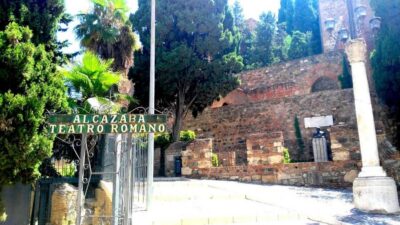
Malaga Private Walking Tour, Alcazaba & Catamaran Cruise
Read our review →
Guided Walking Tour of the Old Town of Frigiliana
Read our review →Malaga Private Walking Tour, Alcazaba & Catamaran Cruise
Read our review →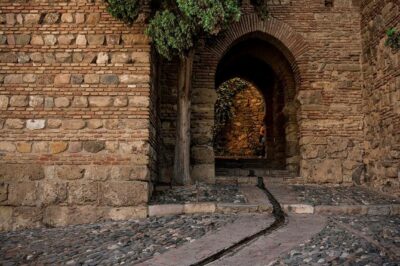
1.5-Hour Roman Theater and Alcazaba Castle Walking Tour
Read our review →Browse the lists this tour appears in