
Reviewed · MALAGA PAELLA COOKING CLASSES
Malaga: Authentic Paella Cooking Class with Sangría
The best part of this Malaga experience is that you do not simply sit down to eat paella. You visit Atarazanas Market, taste local olive oil, chop ingredients, cook with a local chef and then share the meal you helped make. The market visit gives the class a sense of place, while the modern kitchen in Soho keeps the cooking comfortable and organized.
I especially like the hands-on format and the range of food included: paella, homemade gazpacho or salmorejo, sangría, regional wine, beer or soft drinks, plus small olive-oil tasting snacks. The main consideration is timing. The market visit is available only in the daytime, and dietary restrictions must be reported before class because they cannot be handled on the day.
Key points to know
- Atarazanas comes first in the daytime class: You walk through Malaga’s main food market and see the ingredients before cooking.
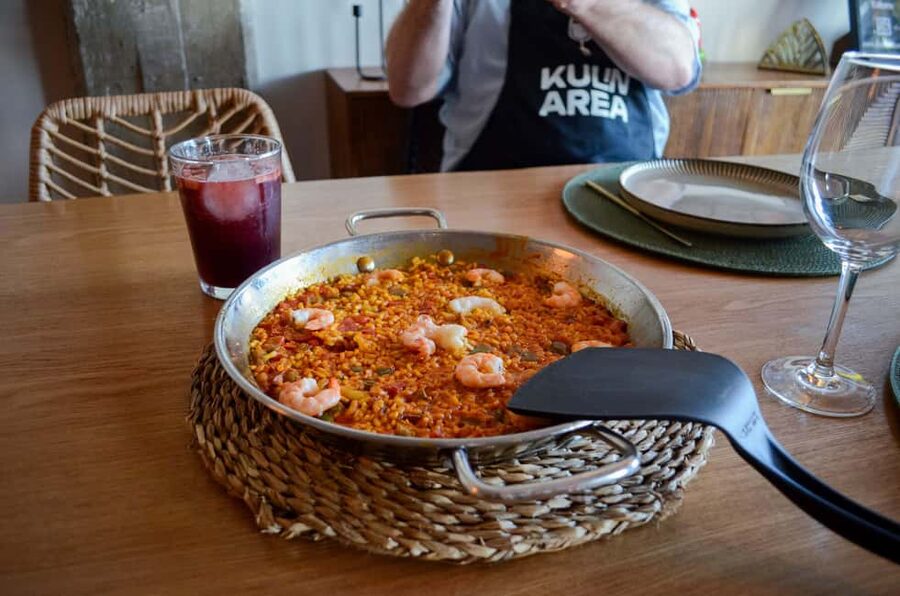
- You make your own paella: The chef gives clear instructions, then helps you prepare the rice, vegetables and other ingredients.
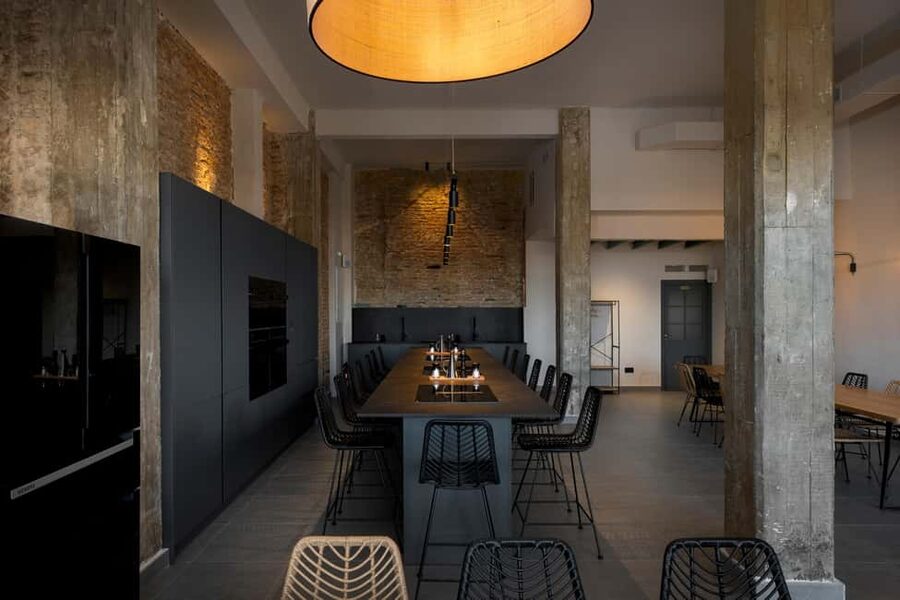
- Soho provides the cooking room: The class takes place in a spacious, clean, modern kitchen near the market.
- The meal includes more than paella: Expect olive oil, gazpacho or salmorejo, sangría and regional drinks.
- The group meal is part of the fun: You sit down with the people from your class and compare the different paellas.
- You take home a useful souvenir: The Kulinarea apron is included at the end.
Starting at Atarazanas Market
For the daytime session, your food lesson begins at Atarazanas Market, a useful first stop because you see Malaga’s produce before it reaches the kitchen. The visit is not just a quick photo stop. Guides such as Javi, Elise and Anais have explained the market building, the city’s changing shoreline and the way Malaga grew around areas that were once covered by water.
That local context gives the meal more meaning. You can look at the produce stalls, stop at selected vendors and see the sort of fresh ingredients used in Andalusian cooking. The market is also a practical place to pick up ideas for your own time in Malaga. One guide, Javi, has also offered suggestions for restaurants and things to do around the city.
The market is closed in the evening, so do not expect the same itinerary if you choose a later class. It also closes on several public holidays, including January 1, January 6, February 28, May 1, August 15, August 19, September 8, October 12, November 1, December 6, December 8 and December 25. It is closed on Thursday and Friday of Holy Week as well.
When the market is shut, the experience can still include a short walk around Malaga and an explanation of the city, paella and wine. That is useful, but it is not the same as seeing the food stalls. I would choose a daytime, non-holiday departure if the market matters to you.
More Paella and Cooking Classes in Malaga:
- Málaga: Spanish Cooking Workshop with Paella and Sangria
★ 4.9 · 613 reviews - Malaga: Sailing Catamaran with Swimming and Paella Lunch
★ 4.1 · 578 reviews - Paella Cooking Class in Malaga
★ 5.0 · 209 reviews
Tasting olive oil before cooking
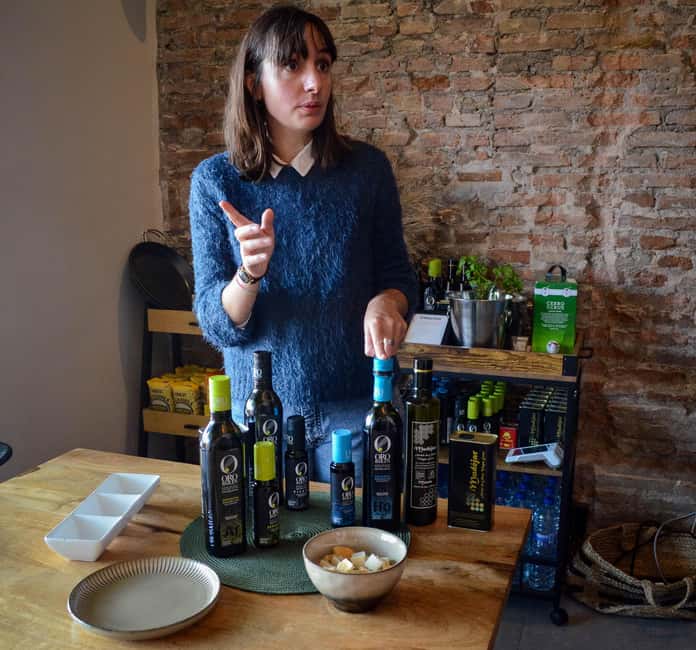
Before you begin chopping, you taste extra virgin olive oil with traditional snacks. This short part of the class is easy to underestimate. Olive oil is used so often in Spanish cooking that it can fade into the background, yet tasting it on its own helps you notice differences in flavor and texture.
The tasting may include olives and almonds, and the guide explains some basic facts about local oil. You do not need special food knowledge. The point is to pay attention to the mild, fruity or peppery notes and then recognize how the oil works in the dishes you prepare.
This is a small feature, but it helps turn the class into a lesson about Andalusian food rather than a single recipe. It also gives you something practical to take home. After tasting several styles, you may find it easier to choose a bottle in a Spanish market or grocery shop.
Cooking in the Soho kitchen
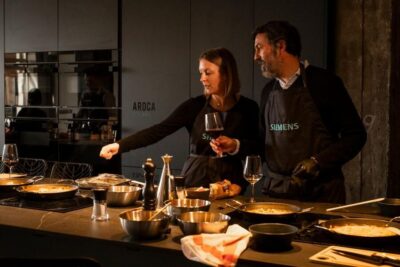
From the market, the class moves to a large, modern kitchen in Malaga’s Soho District, close to Atarazanas. The setting matters. A cooking class can become frustrating when there is too little counter space or when several people are reaching for the same pan. Here, the facilities are described as clean, well prepared and spacious.
The group works under an English-speaking local chef. Different sessions have been led by chefs and hosts including Alba, Alma and Jorge, while Anais, Elise and Javi have guided market and city portions. The exact names can vary by departure, but the format remains the same: the chef demonstrates, you prepare ingredients and help cook, and assistance is available when you need it.
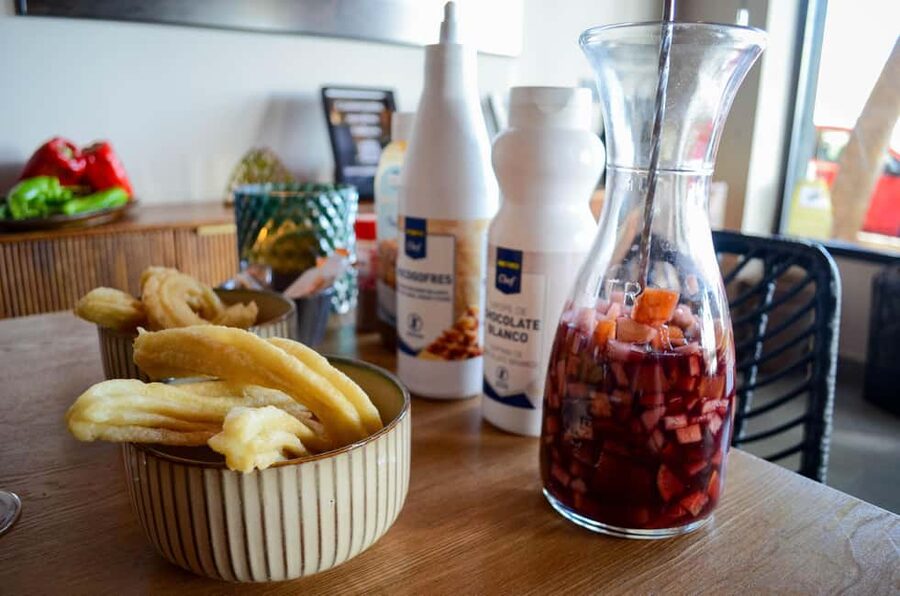
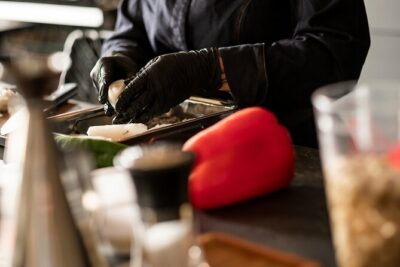
You may be assigned a particular task, such as cutting onions and peppers, preparing salad ingredients, mixing fruit for sangría or working on the paella. One class also included churro batter, though the standard experience description focuses on paella, gazpacho or salmorejo, drinks and the olive-oil tasting. I would treat churros as a possible extra rather than something to book the class for.
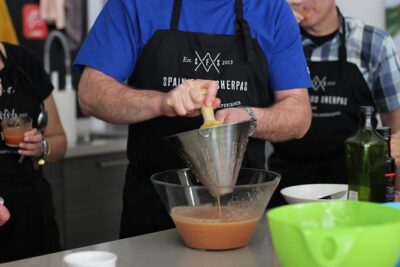
The instruction is aimed at ordinary home cooks, not culinary professionals. The chef shows you what to do and gives advice as the dish develops. That means you get real participation without being left alone to guess whether the rice, vegetables or stock is ready.
Learning the paella method
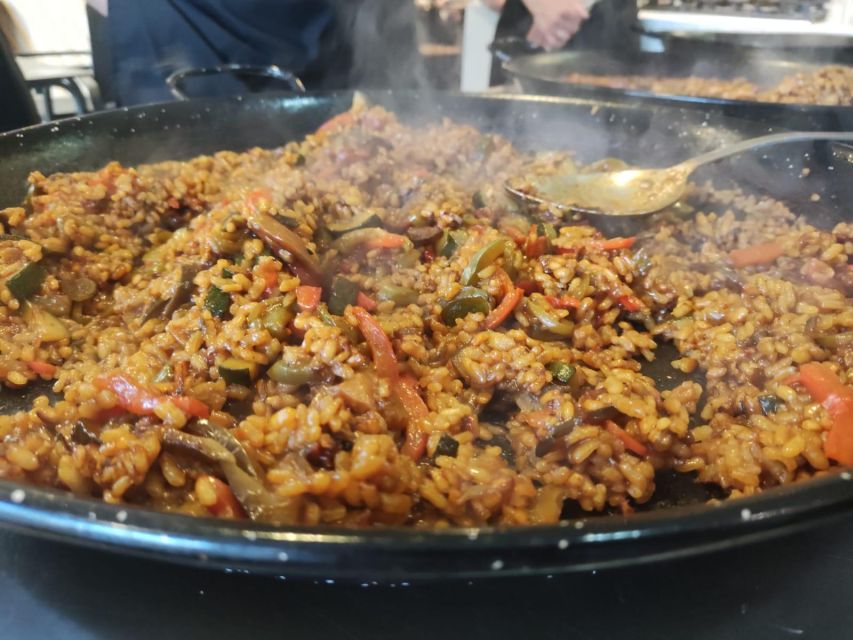
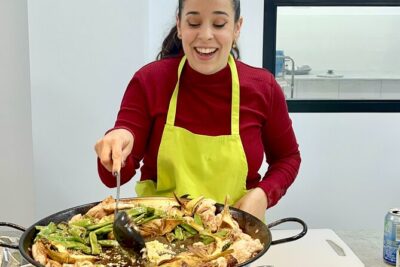
The paella is the center of the class. You prepare the ingredients, follow the chef’s timing and watch the dish come together in the pan. The value here is not only the final plate. You learn the order of the work, how the ingredients are combined and why timing matters.
The group may prepare several paellas rather than one enormous pan for everyone. That creates a nice comparison at the table because each pan can taste slightly different, even when everyone follows the same broad instructions. Small changes in seasoning, cooking time or the amount of liquid can affect the result.
Do not expect every pan to turn out identically. That is part of the lesson. One person’s paella may be stronger or more successful than another’s, and the chef can help you understand what happened. If you want to repeat the recipe at home, pay close attention to the chef’s practical tips rather than only copying the ingredient list.
The class also includes homemade gazpacho or salmorejo. These cold Andalusian dishes add a fresh counterpoint to the hot rice. Their inclusion makes the meal feel more complete and gives you another Spanish recipe to remember.
A few more Malaga half-days to compare
- Paella Cooking Class with English Guide in Malaga
★ 5.0 · 149 reviews - Malaga Tapas Cooking Class
★ 5.0 · 99 reviews - Málaga: Paella and Sangria Cooking Class with Market Visit
★ 4.9 · 26 reviews
Sangría, wine and the shared meal
While the food cooks, you can prepare fruit for sangría and enjoy regional wine, beer or soft drinks. Sangría is not treated as a decorative extra. You help make it, then drink it with the meal. Cava sangría has been especially popular in the class, so ask about it if that option is available during your session.
The drinks help set a relaxed pace while the cooking continues. You are not expected to rush through a technical lesson and leave. The class builds toward sitting down together with the food, which gives you time to talk with the other people at your table.
Regional wine is included, along with sangría. Beer and soft drinks are also listed, which makes the experience easier for people who do not want wine. The amount and precise selection can vary, so I would not treat this as a wine tasting. It is a cooking class with drinks served alongside the meal.
The social side is important. You cook in a group, share tasks and then eat together. Several participants have made new acquaintances during the session, and the meal works well for couples, friends and solo visitors who like meeting people while abroad.
How much food and value for $63
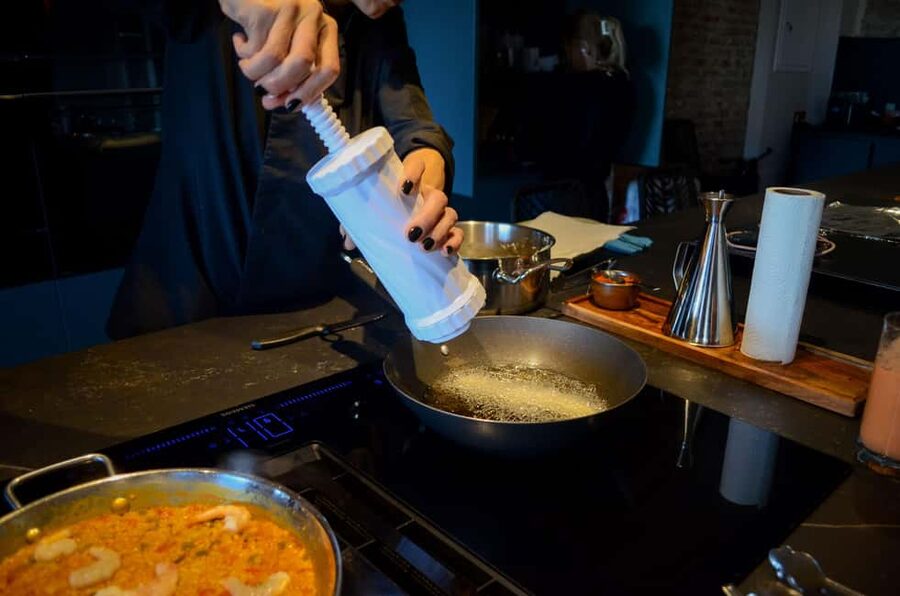
At $63 per person, this is not the cheapest way to eat lunch in Malaga. You could order paella for less, and you would not have to spend three to three and a half hours doing the preparation. But the price covers far more than a plate of rice.
You get the daytime market visit, a guided food introduction, olive-oil tasting, a cooking lesson, paella, gazpacho or salmorejo, sangría and regional drinks. The Kulinarea apron is also included, and you take it home. Add the modern kitchen and the chef’s instruction, and the price makes sense if you want an activity rather than a quick meal.
The value is strongest when you plan to cook Spanish food again. You leave with a method, not just a memory. The apron is a practical souvenir, and the cooking guidance can help you recreate the dish at home.
The value is weaker if you have limited time in Malaga or do not enjoy group activities. Three to three and a half hours is a substantial part of a day. You also need to make your own way to the meeting point because hotel pickup and drop-off are not included.
Choosing the right time and date
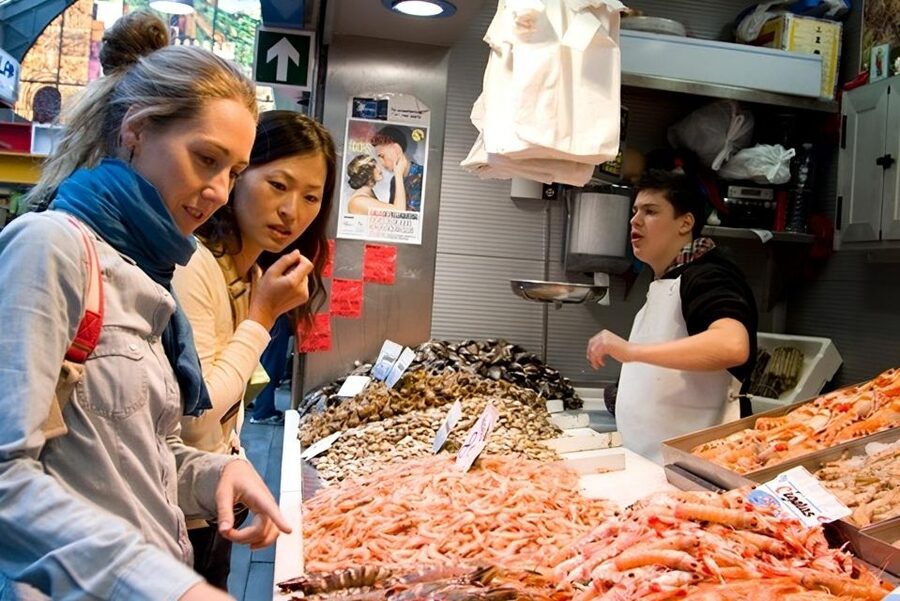
The daytime class is the best choice if you want the full food-market experience. You can walk through Atarazanas, see the produce and hear about the building and the city before reaching the kitchen.
An evening class may suit you better if you want to spend the day sightseeing. Just remember that the market is closed at night, so that portion is not part of the experience. The market also closes on specific holidays, and the city walk or explanations may replace some of that content.
The activity lasts about three to three and a half hours. Starting times depend on availability, and the meeting point can vary according to the option you book. The class ends back at the meeting point, so you do not need to arrange a separate return transfer.
You can cancel up to 24 hours before the activity for a full refund, and the reserve-now, pay-later option lets you keep your plans flexible. Those terms are useful in Malaga, where weather, day trips and changing plans can affect your schedule.
Dietary restrictions and age limits
Tell the organizer about dietary restrictions before the class. The kitchen cannot accommodate restrictions announced on the day, so this is one detail you should handle when booking.
The activity is not suitable for children under four or babies under one year. The instruction is in English, and the class is designed around participation, food preparation and a shared meal. That makes it a better choice for older children and adults who can take part safely, though the provided information does not specify a minimum age beyond the stated restriction.
If someone in your party cannot eat the planned ingredients, ask before paying. The class centers on preparing and eating the dishes, so a last-minute adjustment may not be possible.
Who will enjoy this Malaga cooking class
I would recommend this experience to you if food is one of the main reasons you travel. It gives you a useful look at local produce, a practical lesson and a meal in one outing.
It also suits anyone who wants a break from sightseeing. After several hours of churches, museums and city streets, sitting at a counter and preparing food changes the pace. You do not need to be an experienced cook. The chef gives the instructions, and the group shares the work.
Solo visitors can fit in well because the format naturally encourages conversation. Couples and friends get a joint activity rather than another restaurant meal. If you are staying in Malaga for several days, the class can also help you decide what to order and where to eat later, especially since guides may provide restaurant suggestions.
I would hesitate if you dislike fixed group schedules, have severe dietary needs that were not cleared in advance or want a quiet private lesson. This is a social class, and the market portion depends on the day and time you choose.
Should you book it?
Book this class if you want to understand Malaga through its food, not simply taste paella at a restaurant. Choose the daytime option on a day when Atarazanas is open, and give the organizer your dietary information well ahead of time.
The strongest reasons to go are the market connection, the clean Soho kitchen, the clear chef-led instruction and the generous food and drink package. The main drawbacks are the three-hour commitment, the lack of transport and the fact that evening departures do not include the market.
For $63, I think the experience is good value if you will take part fully, ask questions and use the recipe at home. If you only want a quick meal, spend the money at a restaurant instead. If you want an enjoyable Spanish food lesson with a useful souvenir and plenty to eat, Kulinarea’s paella class is a sensible choice.
FAQ
How long does the Malaga paella class last?
The activity lasts about three to three and a half hours. Starting times depend on availability.
What is included in the price?
The experience includes the daytime Atarazanas Market visit when available, paella preparation, drinks, olive-oil tasting, homemade gazpacho or salmorejo, sangría, an English-speaking local chef and a Kulinarea apron to take home.
Is the Atarazanas Market visit included in every class?
No. The market visit is included in the daytime class. The market is closed in the evenings and on certain public holidays.
Is the class taught in English?
Yes. The listed language for the activity and instruction is English.
Where does the cooking class take place?
The cooking class takes place in a modern kitchen in Malaga’s Soho District, close to Atarazanas Market.
Are hotel pickup and drop-off included?
No. Pickup and drop-off are not included. The activity begins and ends at the designated meeting point.
Can I choose an evening class?
Availability depends on the date and booking option. Evening classes do not include the Atarazanas Market visit because the market is closed.
Can I tell the organizer about dietary restrictions?
Yes. You must provide dietary information before the class. Restrictions cannot be accommodated if announced on the day.
Is the activity suitable for young children?
The activity is not suitable for children under four years old or babies under one year old.
Can I cancel for a refund?
You can cancel up to 24 hours in advance for a full refund. A reserve-now, pay-later option is also available.
More Workshops in Malaga
- The Ultimate Tapas Workshop in Malaga
★ 5.0 · 119 reviews - Malaga: The Ultimate Tapas Workshop with Market Visit
★ 4.9 · 108 reviews - Paella and Sangria Workshop in Malaga
★ 5.0 · 108 reviews - Málaga: Wine Gogh Glow Academy Paint and Sip Class
★ 4.4 · 30 reviews
Just added around Malaga
- e-Bike (Self-Guided) Setenil Circular – 41km Easy★ 5.0 · 11 reviews
- e-Bike (Self-Guided) & Winery tour – 20km Easy★ 5.0 · 6 reviews
- Night theatrical visit to the English cemetery★ 4.2 · 5 reviews
- Ronda Private Full Day Wine Tour★ 4.5 · 8 reviews
- 2h E-bike tours+1day extra in Malaga★ 5.0 · 28 reviews
- Wine & Tapas tour by electric bike (e-bike) including Ronda pickup (half day)★ 5.0 · 33 reviews
- Yacht ride in Puerto Banús★ 5.0 · 26 reviews
- Tour the Sanctuary and Walk with the Donkeys and Share their Love★ 5.0 · 13 reviews
Malaga Paella Cooking Classes, compared.

Spanish Cooking Workshop with Paella and Sangria
Read our review →
Sailing Catamaran with Swimming and Paella Lunch
Read our review →
Paella Cooking Class with English Guide in Malaga
Read our review →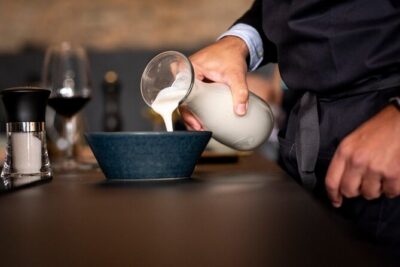
Browse the lists this tour appears in