
Reviewed · MALAGA OLIVE OIL TASTINGS
Guided tour and oil tasting at the Aceites Molisur factory
The best part of this Aceites Molisur visit is that it connects the olive tree to the bottle. You see century-old trees, an old mill, and the modern factory process before tasting three extra virgin olive oils. I like the clear farm-to-factory story and the chance to learn how aroma and flavor change from one oil to another.
I also like the setting, with vegetation and mountains around the mill, and the friendly, well-paced explanations. Ana has been praised for her excellent English and careful teaching. The main drawback is transport: getting there from Malaga without a car can cost about €40 to €50 each way, so the $34 tour price is not the whole expense.
Key points to know before you go
- Three oils in one tasting: Learn to separate the aromas and flavors of three Aceites Molisur extra virgin oils.
- Old and new production together: See a historic mill with more than a century of history, then visit the current production and storage areas.
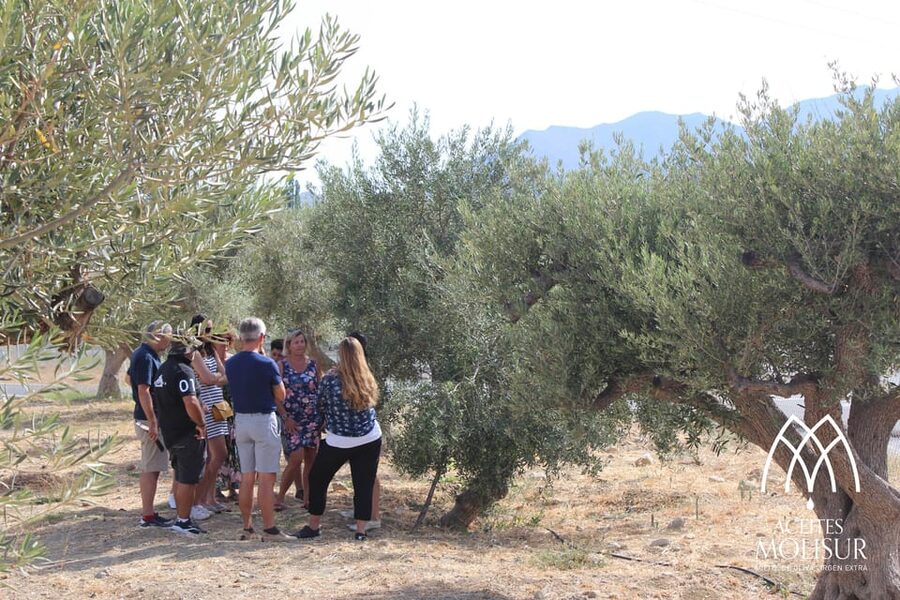
- A real olive-growing setting: The tour includes century-old trees and an explanation of cultivation and harvesting methods.
- A short, useful visit: The complete tour lasts about 1.5 hours, making it easy to fit into an Andalusian day.
- English is available: Tours are offered in English, Spanish, and French, with Ana among the guides who may lead the visit.
- Transport needs planning: The meeting point is the Aceites Molisur shop, and you must arrange your own way there.
From olive tree to bottle in 90 minutes
Aceites Molisur offers the kind of visit that makes a familiar kitchen ingredient easier to understand. Olive oil is part of nearly every Mediterranean table, yet many people know little about how olives are grown, harvested, pressed, stored, and judged.
This tour follows that whole chain in a compact format. You begin at the Aceites Molisur shop, then move through the olive-growing story, the oil museum, the tasting, and the current production area. You return to the same starting point after about 1.5 hours.
That timing works well for you if you want substance without giving up half a day. It is long enough to explain the basics and include a proper tasting, but short enough to pair with other stops in Andalusia. The visit is also wheelchair accessible, a useful detail for anyone planning around mobility needs.
The setting adds something that a city shop tasting cannot. You are surrounded by vegetation and mountains, with the olive trees forming part of the lesson rather than appearing only in photographs. Bring comfortable shoes, a sun hat, and water, especially on a warm day.
More Olive Oil Tastings in Malaga:
- Visit Oil Mill Museum and Olive Oil Tasting in Ronda
★ 4.5 · 105 reviews - From Malaga: Ronda, Wine & Olive Oil Tasting Premium Small Group
★ 5.0 · 28 reviews - From Málaga: Ronda, Wine & Olive Oil Tasting Small Group
★ 4.9 · 14 reviews
Starting at the Aceites Molisur shop
Your meeting point is the Aceites Molisur store. When you arrive, tell the staff member that you are there for the tour, and she will direct you to the visit.
This is simple, but it is worth paying attention to the meeting instructions. The tour does not begin at a separate transport hub or a downtown office. You need to reach the Aceites Molisur property yourself, and transport is not included.
If you are coming from Malaga without a car, budget carefully. One booking note put the cost at roughly €40 to €50 each way. That can make the transport more expensive than the activity itself. If you already have a car, the $34 per-person price becomes easier to judge, since it covers the guided visit, the museum, and three tastings.
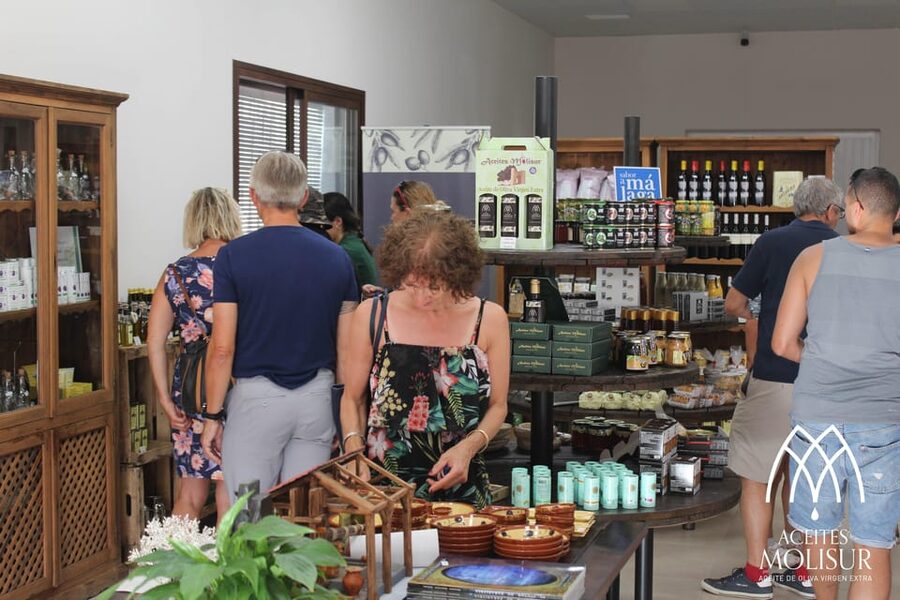
The shop is also a sensible place to begin because the experience is tied directly to the producer. You are not simply sampling anonymous oils in a tourist center. The explanations lead back to the company’s own trees, equipment, and production work.
Century-old trees and the work behind the harvest
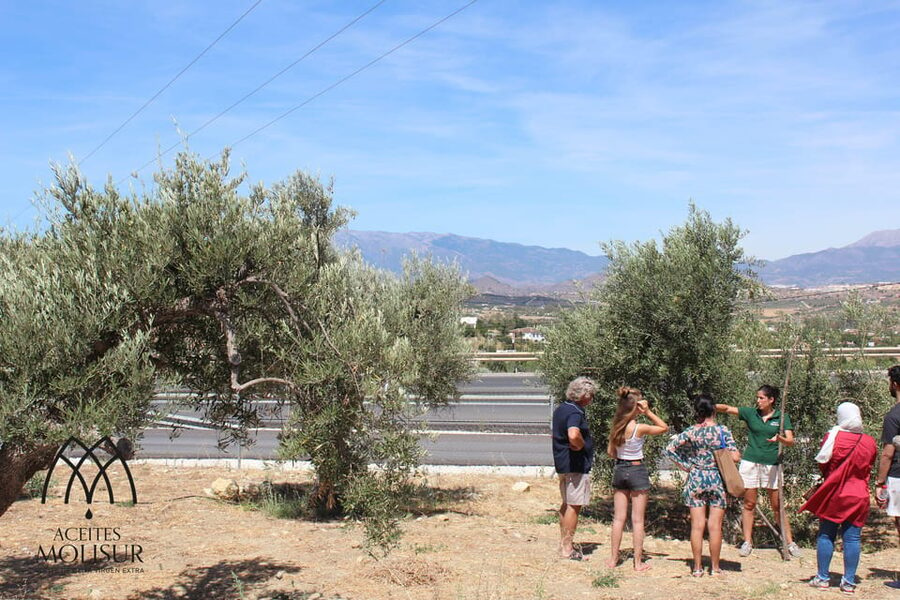
Early in the tour, you learn about the origins of Aceites Molisur and visit century-old olive trees. This gives the production process a physical starting point. Before oil reaches a bottle, there is a tree, a variety, a growing method, and a harvest to consider.
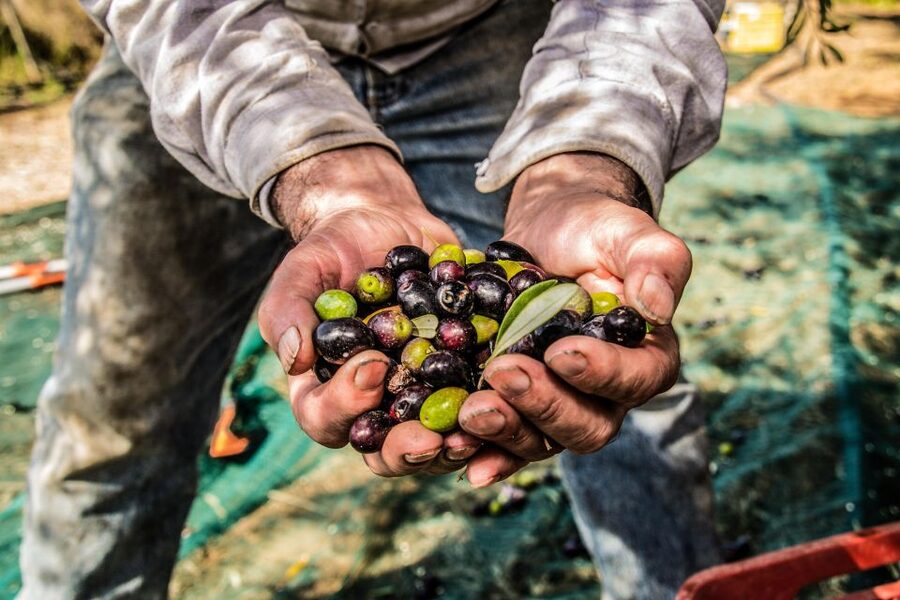
The guide explains different ways of cultivating and harvesting olives. That matters because olive oil quality is shaped long before the fruit reaches the mill. You get a basic picture of how farmers manage the trees and how the olives are collected.
The information is useful even if you know a little about olive oil already. Terms such as extra virgin often appear on labels, but labels do not show you the practical work behind them. Seeing old trees and hearing about harvesting makes the product less abstract.
You should not expect a long agricultural course. The entire activity lasts 1.5 hours, so this section is an introduction rather than a detailed study of every olive variety or farming method. Still, it gives you enough context to understand the later stages of the visit.
The surrounding vegetation and mountains help here. The view is not just a pleasant backdrop. It places the oil in the Andalusian countryside and helps explain why olive growing is such a visible part of the region.
The historic mill inside the oil museum
The next stop is the oil museum, where you see a mill in operation with more than a century of history. This is one of the most distinctive parts of the visit because it lets you compare older equipment and methods with the factory process used today.
The old mill gives you a sense of how much labor and machinery once went into obtaining oil. You can see the earlier side of the industry before moving on to modern production. That contrast is more useful than looking at antique equipment without context.
The museum also gives the guide a chance to explain how oil-making systems have changed. The central story is the evolution from older methods to current systems for obtaining what the company calls liquid gold.
Expect interpretation rather than a large museum visit. The museum is one part of a guided route, not a full-day cultural attraction. Its value comes from the connection between the historic mill, the trees outside, and the working factory later in the tour.
If you enjoy food history, this section should be especially rewarding. If you mainly want a large tasting session, the museum and production explanations may feel like a larger share of the tour than expected. That is a fair trade for anyone who wants to understand how the product is made.
A few more Malaga half-days to compare
- Malaga: Show and Food at Alegría Flamenco and Restaurant
★ 4.6 · 740 reviews - Málaga Evening Tapas Crawl Tour by Food Lover Tour
★ 5.0 · 258 reviews - Guided tour with tasting
★ 5.0 · 158 reviews - Malaga Food Tour: Tapas, Drinks and Delights with a Local
★ 5.0 · 134 reviews
Learning to taste three extra virgin olive oils
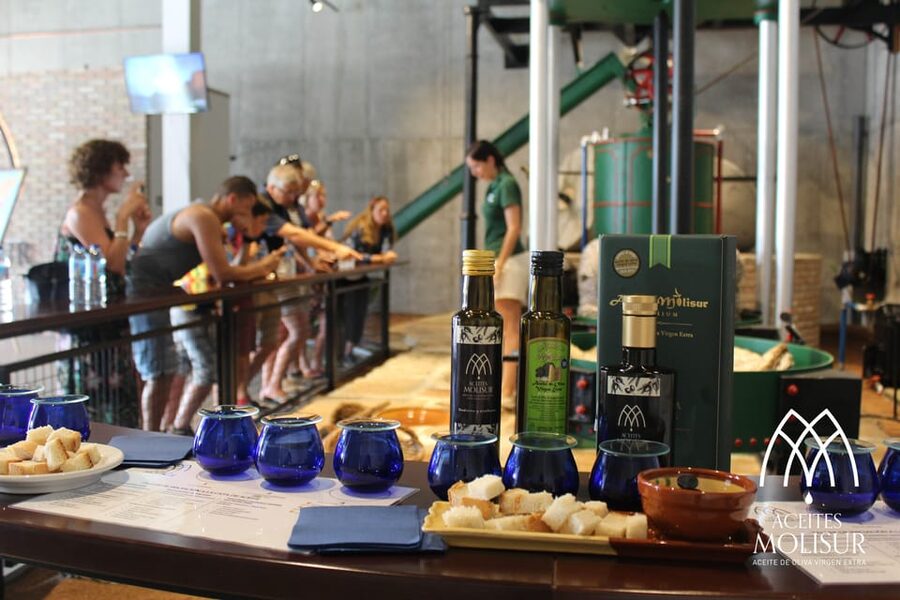
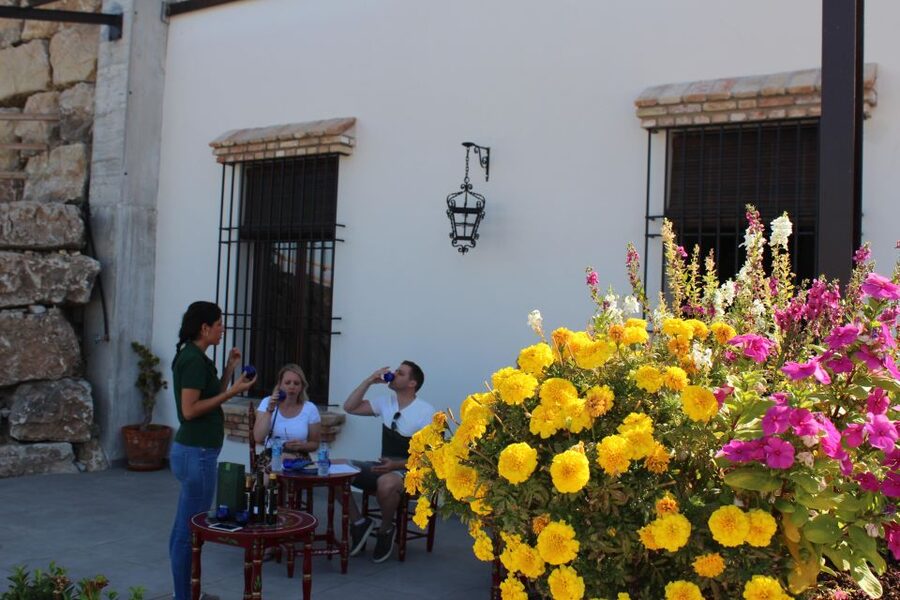
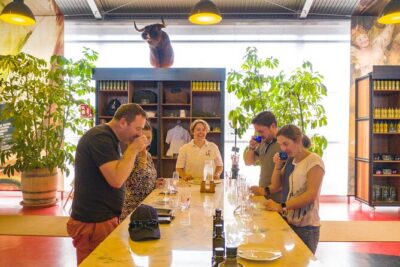
The tasting is where the tour becomes hands-on. You learn how to taste olive oil in a more deliberate way and try three different Aceites Molisur extra virgin oils.
The guide shows you how to notice aromas, flavors, and differences between the oils. You are not expected to arrive with professional tasting skills. The point is to give you a practical method for paying attention.
This is more useful than simply being handed bread and several bottles. You learn to identify the character of each oil and to understand that extra virgin olive oil is not one single flavor. The differences may come through in the aroma and taste, giving you a better sense of what to look for when you buy oil later.
A reviewer specifically described the activity as helpful for learning about different olive varieties and processing, while another praised the presentation as highly educational. That matches the design of the visit: the tasting is supported by the explanations about trees, harvesting, and production.
The tasting also gives the tour a good rhythm. After the historical and technical sections, you get to apply what you have heard. The three oils create a simple comparison rather than an overwhelming flight of samples.
Water is included. That is useful during a tasting, especially if you want to clear your palate between samples. You may want to avoid strong flavors immediately beforehand, although no special preparation is required in the information provided.
The modern production area and warehouse
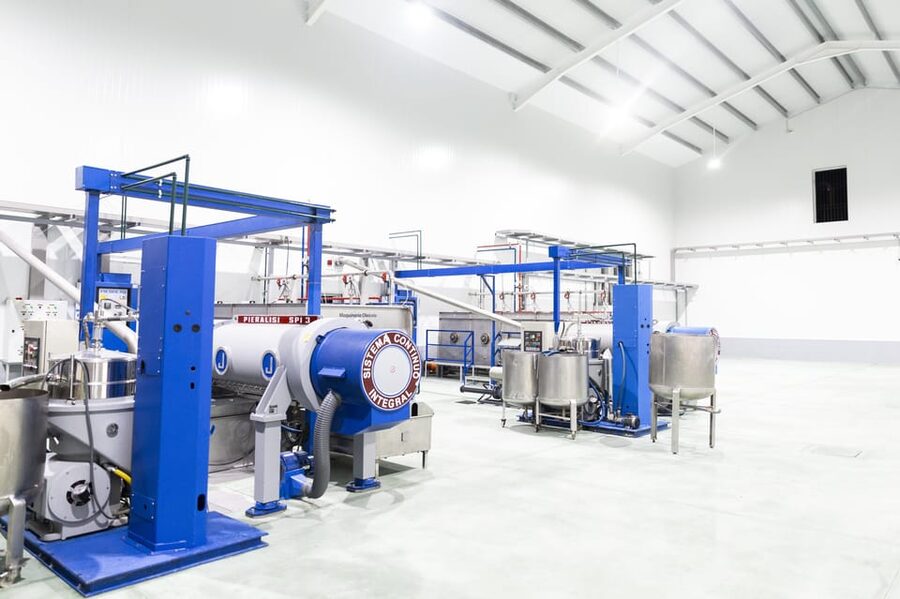
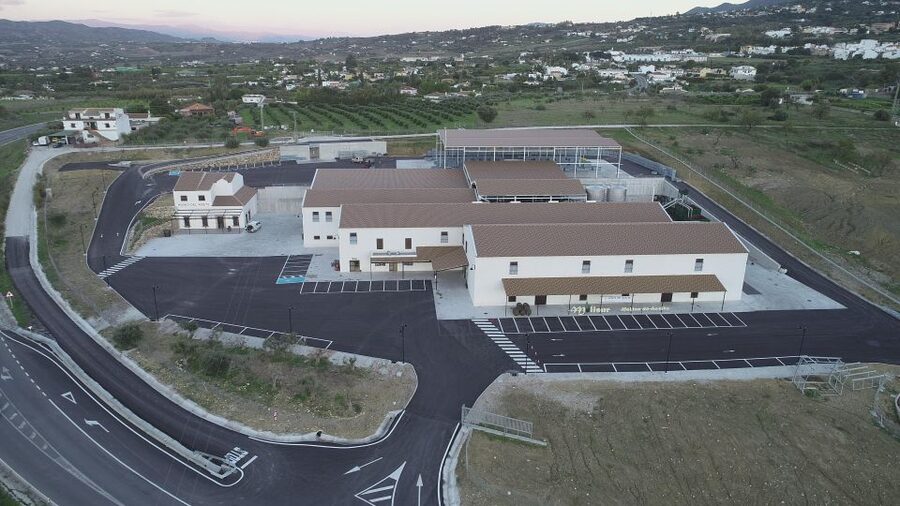
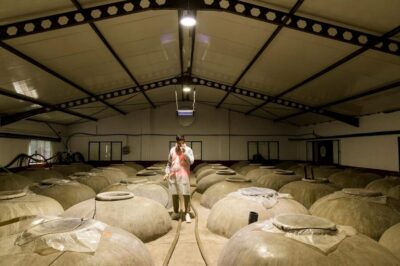
After the tasting, you visit the current production area. Here, the guide explains the modern process from reception of the olives through storage in the warehouse.
This is the part that answers the practical question of what happens after harvesting. You learn how olives enter the system, how the oil is processed, and where it is kept. Seeing the full route helps connect the old mill in the museum with the working operation used today.
The warehouse stage is easy to overlook, but storage matters to the story. Oil is not finished simply because it has been extracted. The tour shows you that production continues through handling and storage before the product reaches the bottle.
The exact machinery and level of activity may vary on the day you visit. The supplied details promise a tour of the production area and an explanation of the current process, but they do not promise that every machine will be running at full capacity. It is best to treat this as a guided working-factory visit rather than a guaranteed live show.
That distinction helps set expectations. You are paying for access, explanation, and tasting, not for a staged performance. The factory visit has value because it shows the real sequence used by the producer.
Guide languages and the quality of the explanation
Aceites Molisur offers tours in English, Spanish, and French. This makes the activity practical for an international audience, and the guide’s role is important because much of the value comes from explanation rather than scenery alone.
Ana has been singled out for being friendly and for speaking excellent English. Her explanations covered olive varieties and processing clearly, making the visit a good fit if you want more than a quick sample at a shop.
You should confirm the available language when booking if your choice is important. The tour is listed in all three languages, but the actual guide may vary by date and starting time.
The high 4.9 rating from 59 reviews reflects strong approval of the teaching and organization. I would place the greatest weight on the repeated praise for the educational presentation, not simply on the number itself. This is a tour built around learning, and the comments support that strength.
At the same time, a good guide cannot remove the transport issue. If reaching the mill is difficult, the excellent explanation may not compensate for a costly journey. Think of the whole outing as a countryside visit, not just a tasting appointment.
Is $34 a fair price?
At $34 per person, the tour is reasonably priced if you value the full visit. Your fee covers a guided factory tour, the oil museum, a three-oil tasting, and water. You also receive the context of the trees, cultivation, harvesting, and storage process.
The price is less attractive if you only want to taste olive oil. Local shops may offer samples at lower cost, but they will not provide the same connection between the old mill, the trees, and the modern production line.
Transport changes the calculation. The tour itself is $34, but a round trip from Malaga without a car may add roughly €80 to €100. That makes it a better choice for you if you are already driving through the area or can share transport costs.
The flexible booking terms help reduce the risk. You can reserve now and pay later, and cancellation is allowed up to 24 hours in advance for a full refund. Starting times depend on availability, so check the schedule before building the rest of your day around it.
Who will enjoy this Aceites Molisur visit?
I would recommend it to you if you enjoy regional food, production stories, and short guided visits with a clear beginning and end. It is also a good match for anyone who wants to understand olive oil before buying bottles to take home.
Food-minded visitors will get the most from the tasting, especially if you have never compared extra virgin oils side by side. The tour is also useful for families and mixed groups because it combines outdoor scenery, machinery, history, and tasting rather than focusing on only one subject.
You may want to skip it if your schedule leaves no room for a countryside detour or if you are not prepared to arrange transport. The activity itself is short, but the journey from Malaga can take more money and planning than the 1.5-hour visit suggests.
Pets are not allowed. Wear comfortable shoes, bring a sun hat and water, and remember that you meet at the shop rather than at a city-center pickup point.
Should you book the Aceites Molisur tour?
Book this tour if you want the complete olive oil story: old trees, cultivation, a historic mill, modern processing, storage, and a tasting of three extra virgin oils. The strongest reason to go is the teaching. Ana and the other language-qualified guides turn a familiar food into something you can assess with your eyes, nose, and palate.
I would be more cautious if you are staying in Malaga without a car. The transport cost can outweigh the modest tour price, and there is no shuttle included. For drivers, food lovers, and anyone already exploring the Andalusian countryside, Aceites Molisur offers a focused and worthwhile stop.
FAQ
How long does the Aceites Molisur tour last?
The guided visit lasts 1.5 hours and returns to the Aceites Molisur starting point.
Where does the tour begin?
Meet at the Aceites Molisur shop. Tell the staff member that you are there for the tour, and she will help you.
What does the tour include?
It includes a guided factory tour, a guided visit to the olive oil museum, a tasting of three different extra virgin olive oils, and water.
Is transport included?
No. You must arrange your own transport to and from Aceites Molisur.
What languages are available?
The tour is offered in French, Spanish, and English.
Is the activity wheelchair accessible?
Yes, the activity is listed as wheelchair accessible.
Can I cancel the booking?
Yes. You can cancel up to 24 hours in advance for a full refund.
Are pets allowed on the tour?
No. Pets are not allowed.
Just added around Malaga
- e-Bike (Self-Guided) Setenil Circular – 41km Easy★ 5.0 · 11 reviews
- e-Bike (Self-Guided) & Winery tour – 20km Easy★ 5.0 · 6 reviews
- Night theatrical visit to the English cemetery★ 4.2 · 5 reviews
- Ronda Private Full Day Wine Tour★ 4.5 · 8 reviews
- 2h E-bike tours+1day extra in Malaga★ 5.0 · 28 reviews
- Wine & Tapas tour by electric bike (e-bike) including Ronda pickup (half day)★ 5.0 · 33 reviews
- Yacht ride in Puerto Banús★ 5.0 · 26 reviews
- Tour the Sanctuary and Walk with the Donkeys and Share their Love★ 5.0 · 13 reviews
Malaga Olive Oil Tastings, compared.
Visit Oil Mill Museum and Olive Oil Tasting in Ronda
Read our review →
Ronda, Wine & Olive Oil Tasting Premium Small Group
Read our review →
OLIVE OIL & WINE TOUR Organic fields – 5 Wines + 3Olive Oils
Read our review →Browse the lists this tour appears in