
Reviewed · PICASSO MUSEUM TOURS IN MALAGA
Málaga: Paint your own Picasso
Picasso’s birthplace is only 50 meters away, but this Málaga workshop does more than point you toward a museum. You sit down with paint, learn how Picasso’s cubist style works, and leave with your own artwork. I like the short introduction to Picasso’s life and the fact that your painting is not a copy of one of his works.
I also like the beginner-friendly teaching and the bright, bohemian studio-gallery setting in Lagunillas, a creative neighborhood covered with graffiti. The main drawback is time: two hours goes quickly, especially if you enjoy painting and want more room for finishing touches.
Key points
- Paint your own cubist self-portrait: You create an original piece rather than tracing or copying Picasso.
- Local guidance from Javi or Xavi: The artist explains Picasso’s styles, life, and creative process in English or Spanish.
- Near two Picasso landmarks: The studio is about 50 meters from his birthplace and five minutes from the Picasso Museum.
- Suitable for beginners: You need no previous art training, and all materials are supplied.
- A good family activity: Children from age eight can join, making it useful for families with older children.
- Easy to pack home: Your finished painting can travel with you in your luggage.
Painting Picasso in the Lagunillas neighborhood
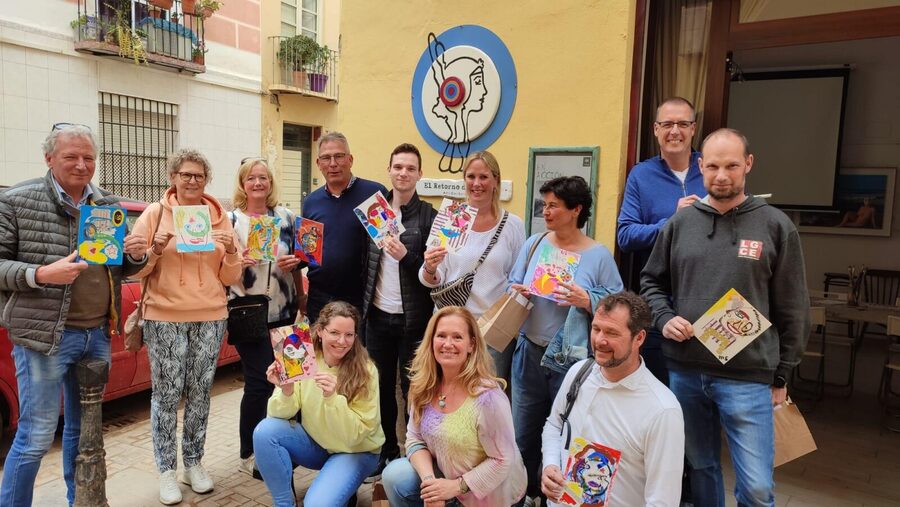
The workshop takes place in a ground-floor studio-gallery with a yellow corner frontage and a large round white, blue, and pink logo. It is near Picasso’s birthplace, in Lagunillas, a neighborhood known for its creative feel and graffiti-covered streets.
That setting matters. You are not painting in a generic conference room or a hotel basement. You are working in the same Málaga district connected with Picasso’s early life, then stepping outside into streets where murals and painted walls provide a fitting follow-up walk.
The meeting point should be easy to spot if you look for the yellow corner studio and its round logo. The location is also wheelchair accessible. Since the studio sits close to major Picasso sites, you can pair the class with the Picasso Museum and the artist’s birthplace without spending time crossing the city.
I would allow a few extra minutes to find the entrance. The supplied directions are visual rather than street-address based, so the logo is the key detail to remember.
More Picasso Museum Tours in Malaga
- Malaga: Picasso Museum Guided Tour with Skip-the-Line Ticket
★ 4.8 · 485 reviews - Málaga: Picasso Birthplace Museum Ticket & City Audio Guide
★ 4.1 · 158 reviews - Paint your own Picasso
★ 5.0 · 61 reviews
The first part: Picasso, his styles, and his muses
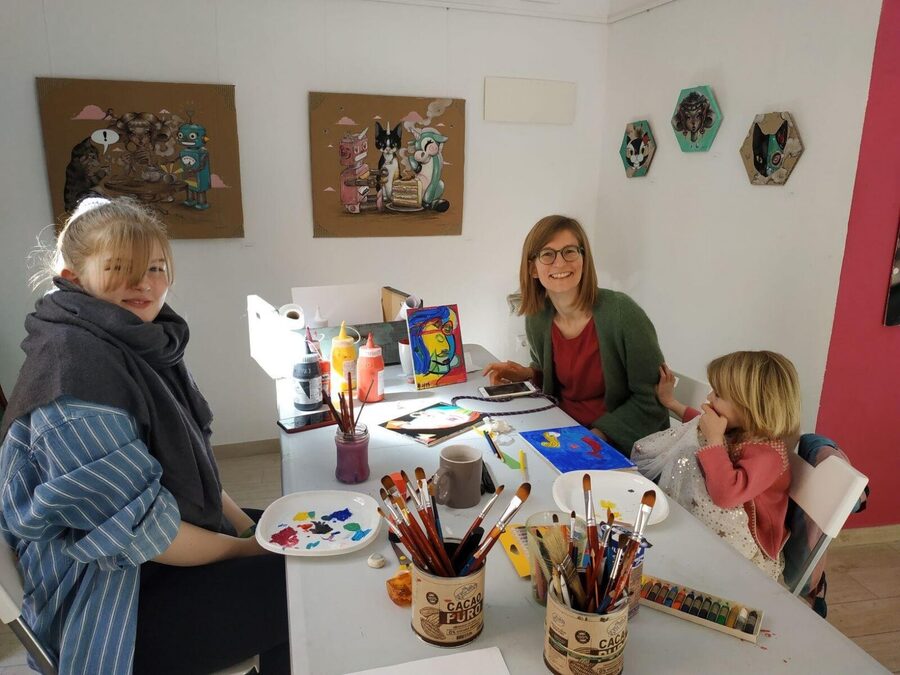
The class begins with a short introduction to Picasso. You learn about his life, the different styles he used, cubism, important works, and the women who influenced his art.
This opening gives the painting a useful frame. You are not simply told to make something abstract and hope for the best. You first see how Picasso broke faces and objects into separate planes, changed viewpoints, and used shape as much as realistic detail.
The introduction is short enough to leave plenty of time for painting. That balance is important. A two-hour class cannot become a full art-history lecture, and it does not try to. Instead, the information gives you enough context to understand why your finished face may have two different viewpoints or an eye that seems to sit in the wrong place.
Several people who joined the workshop after visiting the Picasso Museum felt the class would have been more useful beforehand. I agree with that order. Paint first, then visit the museum with cubism already in your head, or take the class before the museum if your schedule allows.
The session also covers details about Picasso’s life that are not limited to the two Málaga museums. That makes the introduction more personal than a basic museum label, though the focus remains on giving you tools for the artwork rather than covering every stage of his career.
Creating a cubist self-portrait without copying
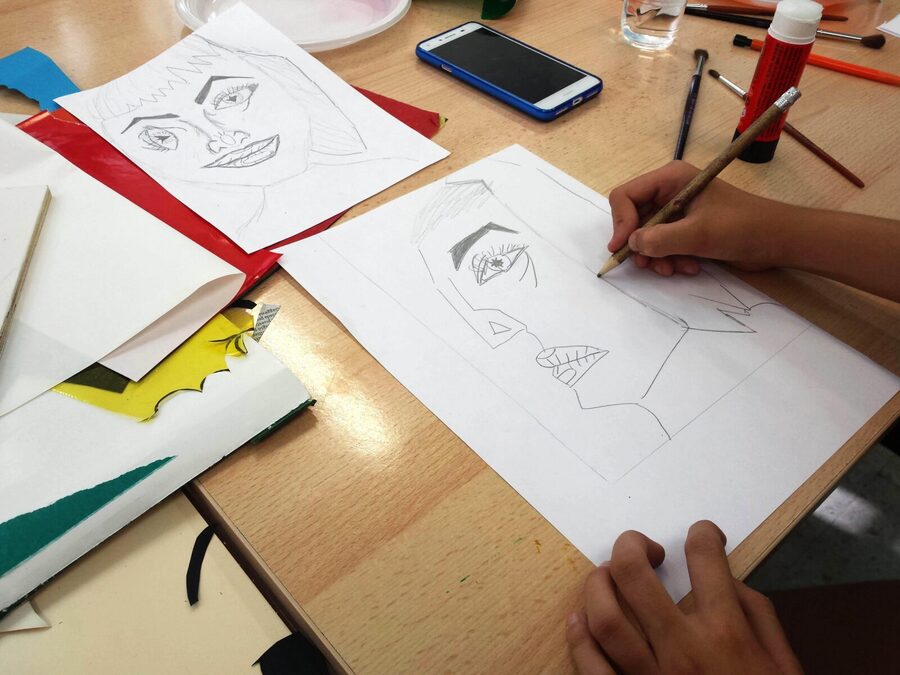
After the introduction, you begin the practical work. The aim is to create a cubist artwork through Picasso’s way of seeing, not reproduce one of his famous paintings.
The process is designed for people who say they cannot draw. You receive step-by-step guidance through the drawing and painting stages, with help as the image develops. The technique is described as simple, but simple does not mean empty. You learn how shapes, lines, angles, and color can change the way a face reads.
A self-portrait gives the class a clear subject. You have something familiar to work from, but cubism removes the pressure to make it look photographic. That is a real advantage for beginners. A crooked line or unusual color can become part of the style instead of a mistake you need to hide.
The workshop also includes advice on mixing paint. This is one of the more practical parts of the session because you are not limited to choosing colors straight from a tube. You get to see how different shades are made and how color choices affect the mood of the finished work.
The instructor guides you without taking over. That distinction matters. You want help when a face is hard to divide or the colors are not working, but you also want the final piece to feel like yours. The stated aim is to free your artistic side, and the format supports that by using Picasso as a starting point rather than a mold.
What the two hours feel like
Two hours is enough to create a finished painting, but you should not expect a slow, open-ended studio session. The class has several stages: the Picasso introduction, drawing, painting, color mixing, and finishing.
I would arrive ready to work. Wear something you do not mind getting paint on, although the supplied information does not specify clothing protection. The materials needed for the artwork are included, so you do not need to carry brushes, paint, or paper from home.
The time limit can be a small drawback for anyone who likes to fuss over details. One participant wished the session lasted two and a half hours rather than two. That is useful advice if you tend to paint slowly or want a highly polished result.
Still, the two-hour length works well in a Málaga sightseeing day. You can fit it between a morning walk and lunch, or use it as a break from museums and historic sights. It has enough structure to keep the session moving, without taking half a day from the rest of your plans.
The group size can vary. One session had only one participant, while another account describes a group of three. The available information does not promise a fixed maximum, so do not book on the assumption that every class will be private or tiny. A smaller group would allow more individual help, while a larger one could bring a livelier shared atmosphere.
More Art and Painting Sessions in Malaga:
- Málaga: Wine Gogh Glow Academy Paint and Sip Class
★ 4.4 · 30 reviews - Malaga: Drawing & Painting Lesson Outdoors
★ 4.8 · 25 reviews - I DRAW Malaga: Art and Drawing Lesson – by OhmyGoodGuide!
★ 5.0 · 6 reviews - Málaga: Street Art Tour in the Soho District
★ 5.0 · 4 reviews
Why beginners and families can enjoy it
This is built for all levels, including people who have never painted. The instructor explains the process in a way that works for first-time artists, and the finished result does not depend on precise academic drawing skills.
That makes the activity a good choice if you want something more active than looking at art. You do not need to understand cubism before arriving. You also do not need to know Picasso’s full biography. The class supplies enough background to get you started.
Families should note the official minimum age is eight. Some participants came with children and found the teaching accessible for younger family members, but the stated rule does not make the workshop suitable for children under eight. I would follow the official age limit when planning a family booking.
The workshop can also work for couples, friends, and solo visitors. A couple can make portraits or separate cubist pieces, while a solo participant may receive more direct help if the class is small. One person attended alone and still completed the full process, including learning, drawing, and painting.
The activity is also a good rainy-day option. The materials and instruction are provided indoors, and the nearby graffiti-lined streets can be explored before or after the class if the weather cooperates.
Getting value from the Picasso setting
The $46 price includes all materials, the two-hour workshop, guidance from a local artist, and the use of the studio-gallery. I consider that fair if you want a hands-on art activity and a souvenir that you made yourself.
It is less compelling if you are only looking for a cheap craft session. The real value comes from the combination of location, instruction, and context. You are close to Picasso’s birthplace, you learn about his methods and life, and you take home an original painting rather than a shop-bought postcard.
The finished work is also easy to carry. You can take it home in your luggage, which solves a common problem with art classes. You do not need to arrange shipping or leave a large canvas behind.
For families, the price covers an activity that occupies a clear two hours and gives children something tangible to keep. For couples, it offers a shared project without requiring any art background. For museum fans, the class adds a practical angle to Picasso’s work.
I would compare the cost with other guided activities in Málaga, but I would not compare it directly with a standard museum ticket. This is not just admission to see art. It is a workshop with a local artist and a personal result.
Pairing the class with Málaga’s Picasso sights
The workshop is five minutes from the Picasso Museum and around 50 meters from Picasso’s birthplace. That makes the order of your day simple.
My preferred plan would be:
- Take the workshop first.
- Walk through Lagunillas and photograph the graffiti.
- Visit the Picasso Museum afterward.
- Stop by the birthplace if it fits your opening hours and plans.
The class gives you a basic understanding of cubist choices before you see the museum collection. You may notice how Picasso changed faces, viewpoints, and color with a more practiced eye.
The reverse order can work too. If you have already visited the museum, the workshop gives you a chance to move from looking at Picasso’s work to trying some of its ideas yourself. Just remember that the class does not turn you into Picasso in two hours. It gives you a playful framework for making your own piece.
The surrounding neighborhood is worth a short walk even if you do not have time for a full sightseeing stop. The graffiti adds a modern creative layer to the Picasso connection, and the walls provide plenty of photo opportunities. The workshop description specifically recommends walking through the streets, so plan a little margin around the class rather than rushing straight to your next booking.
Language, access, and practical details
Instruction is available in English and Spanish. That makes the activity workable for international visitors, and the teaching relies on demonstration as well as explanation. If you are comfortable in either language, you should be able to follow the basic process.
The studio is wheelchair accessible. The meeting point is on the ground floor, which is useful for anyone who needs step-free access. The available information does not provide detailed measurements for doorways or art tables, so visitors with specific mobility needs may want to confirm those points before booking.
All painting materials are included. You only need to arrive at the marked studio and take part. Because you carry the artwork away yourself, consider leaving some space in your luggage or bringing a flat protective sleeve if you have one. The painting is described as easy to transport, but the exact size is not provided.
The class is offered with free cancellation up to 24 hours before the start time, and you can reserve now and pay later. Starting times vary, so you need to check the date you want. These options help if your Málaga plans are still shifting, especially around museum hours and hot-weather sightseeing.
The best reasons to book, and the reasons to pause
I would book this if you want to make something, not just see something. It is especially suited to first-time painters, families with children aged eight and over, couples looking for a shared activity, and museum visitors who want more context before or after Picasso’s major works.
The highly praised parts are clear: the friendly teaching, the useful Picasso introduction, the simple process, and the pleasure of taking home a painting. Javi, also referred to as Xavi in some descriptions, is singled out for being engaging, informative, and helpful in English. The instruction also includes local Málaga suggestions, such as coffee and restaurant recommendations.
I would pause if you want a serious technical art course, a long studio session, or a guaranteed private class. The class is introductory, the time is fixed at two hours, and the group size can vary.
Should you book Paint Your Own Picasso?
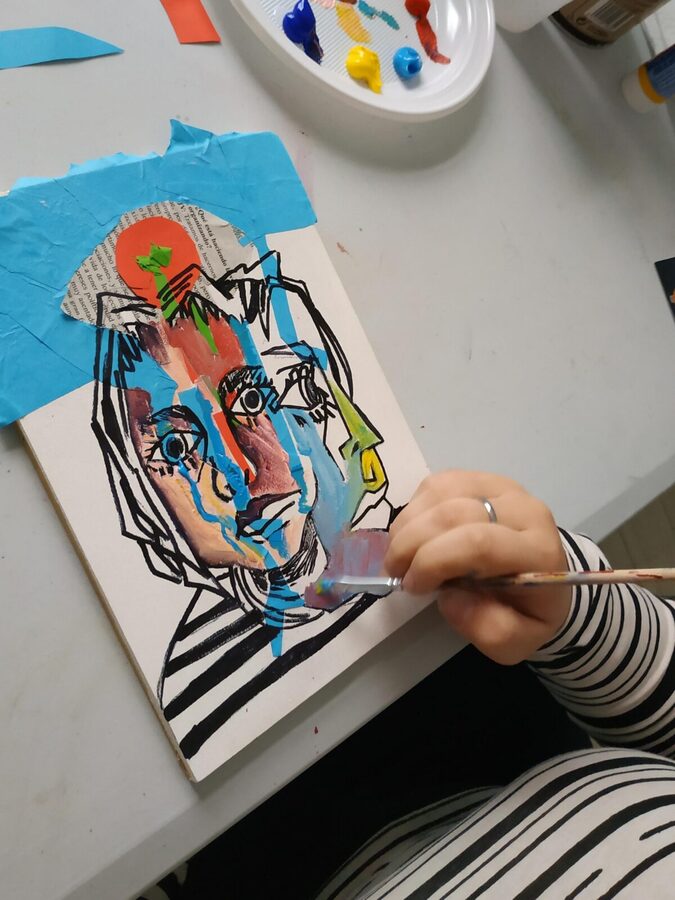
Book it if the idea of making your own cubist self-portrait sounds more appealing than buying another souvenir. The location near Picasso’s birthplace, the local artist’s guidance, and the beginner-friendly method make this a smart addition to a Málaga art day.
Skip it if your schedule is packed with major sights and you would rather spend every minute in museums. But if you can spare two hours, $46 buys more than supplies. It gives you a creative memory, a little Picasso context, and a painting that carries your own fingerprints home.
FAQ
Where does the Picasso painting workshop take place?
It takes place in a studio-gallery in Málaga’s Lagunillas neighborhood, about 50 meters from Picasso’s birthplace and five minutes from the Picasso Museum.
How long does the workshop last?
The workshop lasts two hours. Starting times vary, so you need to check availability for your chosen date.
Do I need previous painting experience?
No. The activity is suitable for beginners, and no previous knowledge or art technique is required.
What will I paint?
You will create your own original cubist artwork, with guidance through the drawing and painting process. The activity includes creating a cubist self-portrait.
Are painting materials included?
Yes. All materials needed to make your artwork are included.
Can children join the workshop?
Children aged eight and older can join. The activity is not suitable for children under eight.
Is the workshop offered in English?
Yes. The workshop is offered in English and Spanish.
Can I take my painting home?
Yes. You can take your finished artwork with you and carry it in your luggage.
Just added around Malaga
- e-Bike (Self-Guided) Setenil Circular – 41km Easy★ 5.0 · 11 reviews
- e-Bike (Self-Guided) & Winery tour – 20km Easy★ 5.0 · 6 reviews
- Night theatrical visit to the English cemetery★ 4.2 · 5 reviews
- Ronda Private Full Day Wine Tour★ 4.5 · 8 reviews
- 2h E-bike tours+1day extra in Malaga★ 5.0 · 28 reviews
- Wine & Tapas tour by electric bike (e-bike) including Ronda pickup (half day)★ 5.0 · 33 reviews
- Yacht ride in Puerto Banús★ 5.0 · 26 reviews
- Tour the Sanctuary and Walk with the Donkeys and Share their Love★ 5.0 · 13 reviews
Picasso Museum Tours in Malaga, compared.
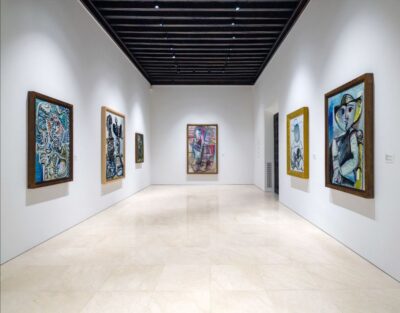
Picasso Museum Guided Tour with Skip-the-Line Ticket
Read our review →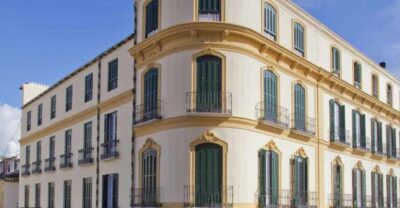
Picasso Birthplace Museum Ticket & City Audio Guide
Read our review →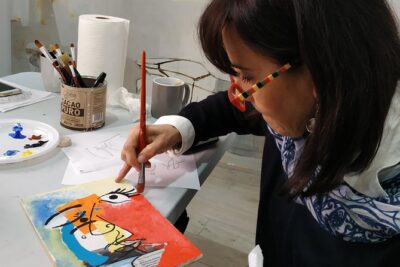
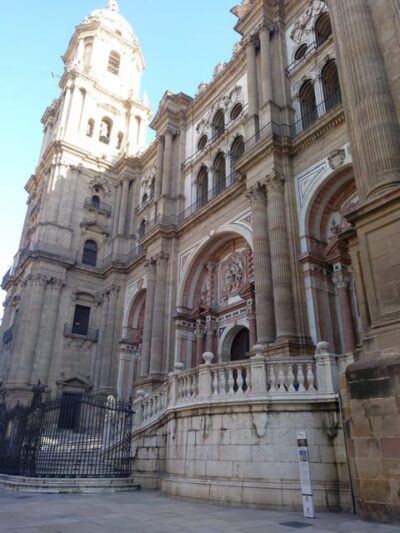
Old Tour Walking Tour w/Cathedral & Picasso Museum
Read our review →
Alcazaba, Picasso and more, walking tour with 5 VR experiences !
Read our review →
Private Malaga: Alcazaba, Museum, Market, Cathedral & Picasso
Read our review →
Browse the lists this tour appears in