
Reviewed · ALCAZABA AND GIBRALFARO TOURS
Malaga: Alcazaba and Roman Theatre Private Tour With Tickets
Málaga’s Roman Theatre and Alcazaba sit side by side, giving you a rare chance to trace more than 2,000 years of history in a short walk. I like the private format, which lets the guide shape the pace for your group, and the included tickets, which save you the fuss of arranging entry yourself.
I also like the contrast between the two sites: the open Roman ruins feel archaeological and stark, while the Alcazaba brings you into a Moorish palace of courtyards, art, gardens, and walls. The main consideration is the route itself, with climbs and uneven ground that make this a poor fit for wheelchairs, strollers, or anyone with significant mobility or back problems.
Key points at a glance
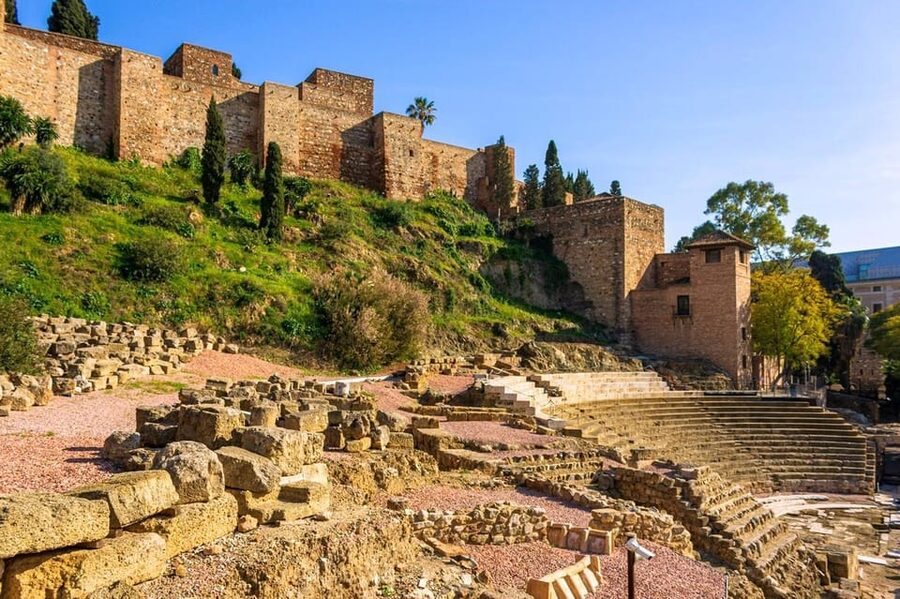
- Two major monuments in 90 minutes: Visit Málaga’s Roman Theatre and Alcazaba on one compact walking tour.
- Private group setting: Ask questions freely and keep the pace suited to your own party.
- English or Spanish guide: An official guide explains Roman, Moorish, and Christian chapters of Málaga’s past.
- Tickets included: Entry is covered, with skip-the-ticket-line access noted for the experience.
- Best views come at the end: Climb the Alcazaba walls for broad views over Málaga.
- Wear proper shoes: The route is not suitable for strollers, wheelchairs, or people with mobility or back problems.
Starting at Málaga’s Glass Pyramid
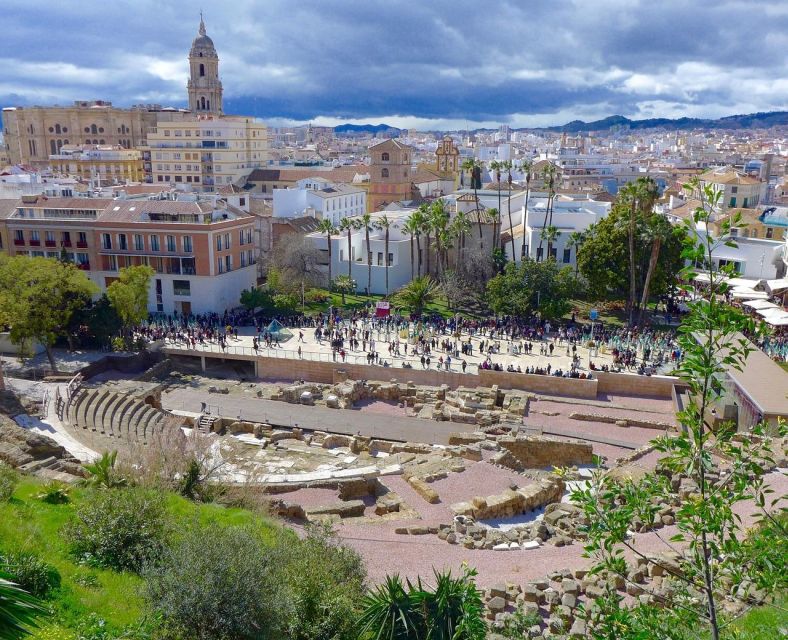
Your meeting point is the Pirámide de Cristal, the Glass Pyramid in front of the Roman Theatre. This is a sensible place to begin because you are already beside the first monument, rather than wasting part of a short tour walking from a distant meeting point.
Look for the guide next to the pyramid. The tour is offered in English or Spanish, and it is a private group experience, so your visit should feel more direct than a large group walk. No guide name is provided in the tour information, but the experience is led by an official guide. A recent verified booking from Alain of Belgium, dated December 28, 2024, describes the guide as competent and motivated.
The meeting point is easy to understand, but give yourself a few minutes to find the pyramid and settle in. The tour lasts only 1.5 hours, so a late start can take a noticeable bite out of your sightseeing time.
More Roman Theatre and Cathedral Visits in Malaga:
- Málaga: Alcazaba and Roman Theatre Guided Tour With Entry
★ 4.8 · 5,792 reviews - From Malaga: Cordoba Day Trip and Mosque-Cathedral
★ 4.5 · 563 reviews - Malaga Tour with Cathedral, Alcazaba and Roman Theatre
★ 4.5 · 548 reviews
The Roman Theatre and Málaga’s earliest chapter
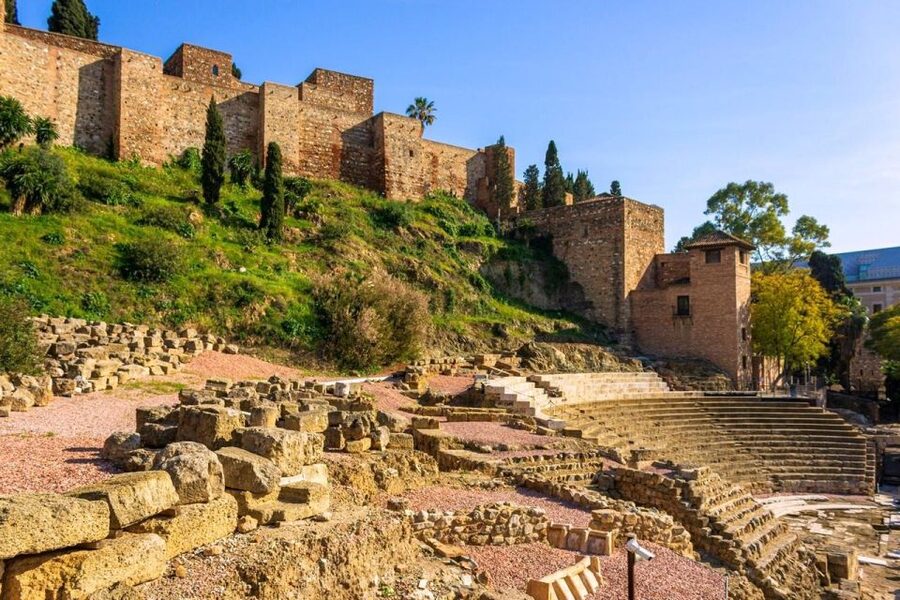
The Roman Theatre is the first major stop. Built more than 2,000 years ago, it brings the Roman Republic period into view in the middle of modern Málaga. The remains are not a complete theater experience with a performance or reconstructed interior. Instead, you walk through an ancient site and use the guide’s explanation to understand its purpose and long journey through time.
I like this opening because it gives you a clear historical starting point. Before you enter the medieval fortress, you see an older layer of the city in an open archaeological setting. The guide covers the theater’s secrets and its changing place in Málaga’s story, including the later Spanish Reconquista.
That broad time frame matters. The Roman Theatre is not presented as an isolated ruin. It forms the first part of a story that continues through Moorish rule and ends with the Christian conquest of Málaga. In 90 minutes, you will not receive a full academic study of every period, but the sequence helps you understand how the monuments fit together.
The Roman Theatre stop is also relatively focused. The tour information describes it as a guided visit and sightseeing stop, not a long museum session. If you want extensive archaeological detail, you may find the time limited. If you want a clear introduction before moving into the Alcazaba, the arrangement works well.
Entering the Alcazaba beside the theatre
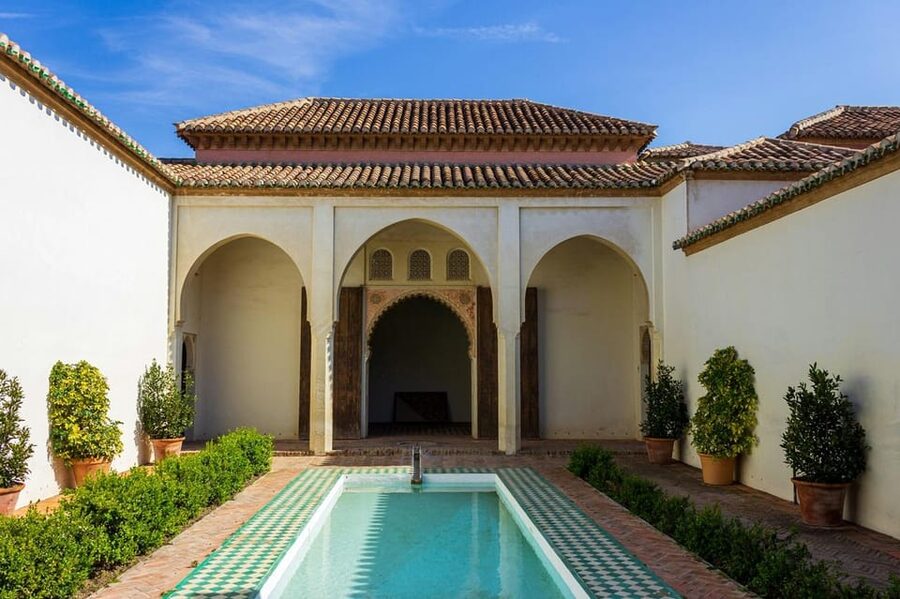
From the Roman Theatre, the tour continues directly to the Alcazaba. Its position next to the theater makes this combination especially practical. You do not need transport between the two sites, and the transition from Roman remains to Islamic architecture happens within a short distance.
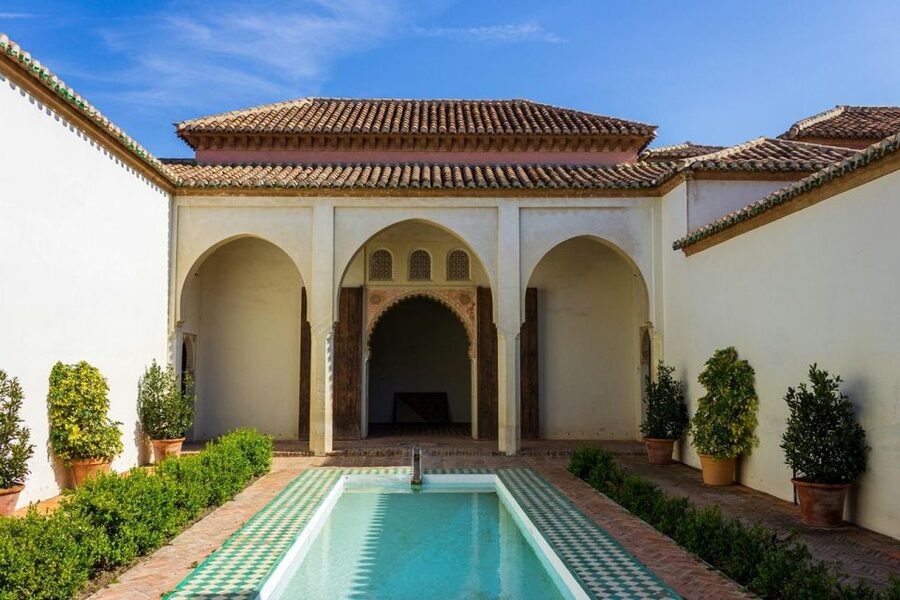
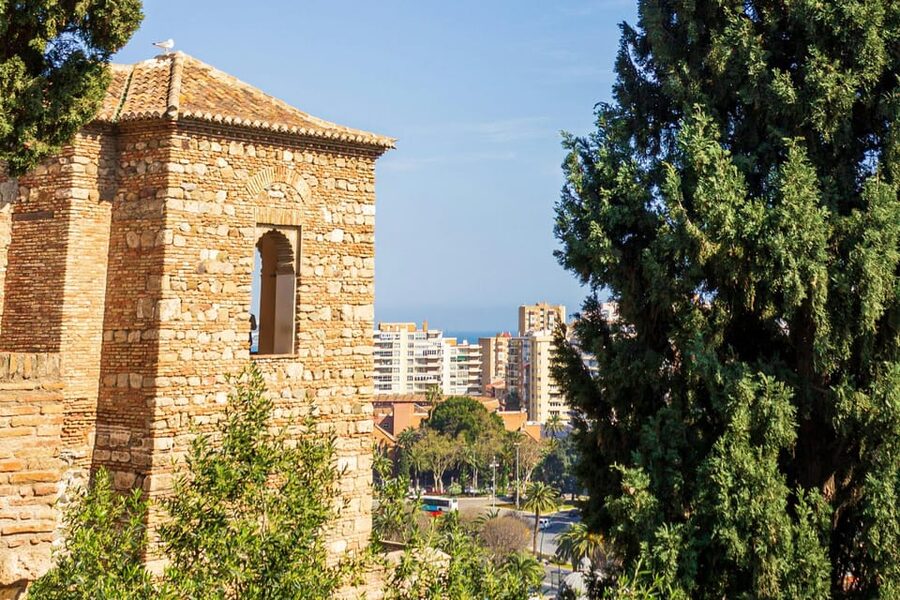
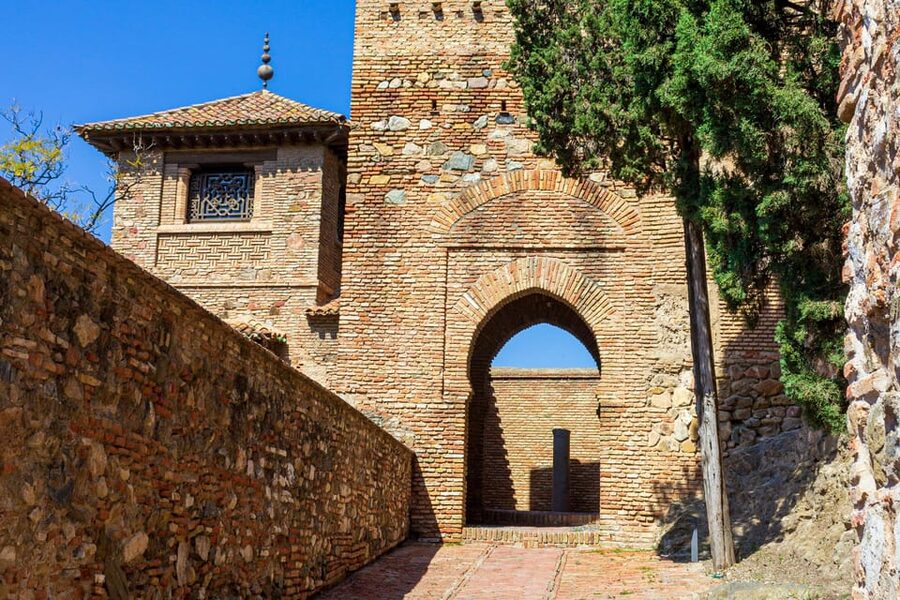
The Alcazaba is described as one of Spain’s best-preserved citadels. It is also presented as a palace with lush gardens, hidden corners, and Moorish architecture. The experience focuses on the art, legends, and history inside the fortress, so this is the part of the tour where the guide’s storytelling matters most.
You will see a very different type of monument here. The Roman Theatre begins with exposed stone and the shape of an ancient performance space. The Alcazaba asks you to look at walls, palace details, gardens, and defensive design. That contrast gives the tour variety without adding a complicated transfer.
The word citadel is important. The Alcazaba was not simply a decorative residence. Its walls and elevated position speak to defense and control, while the palace areas and gardens show another side of life inside the fortress. The guide connects those elements with the period of Moorish rule and the Christian conquest of Málaga.
I would pay attention to the small details rather than trying to rush toward the views. The tour specifically includes art, legends, and architectural features, and these are the parts you could easily miss if you treat the Alcazaba as only a viewpoint. Let the guide point out what makes the palace more than a pretty collection of walls and courtyards.
Moorish architecture, gardens, and palace details
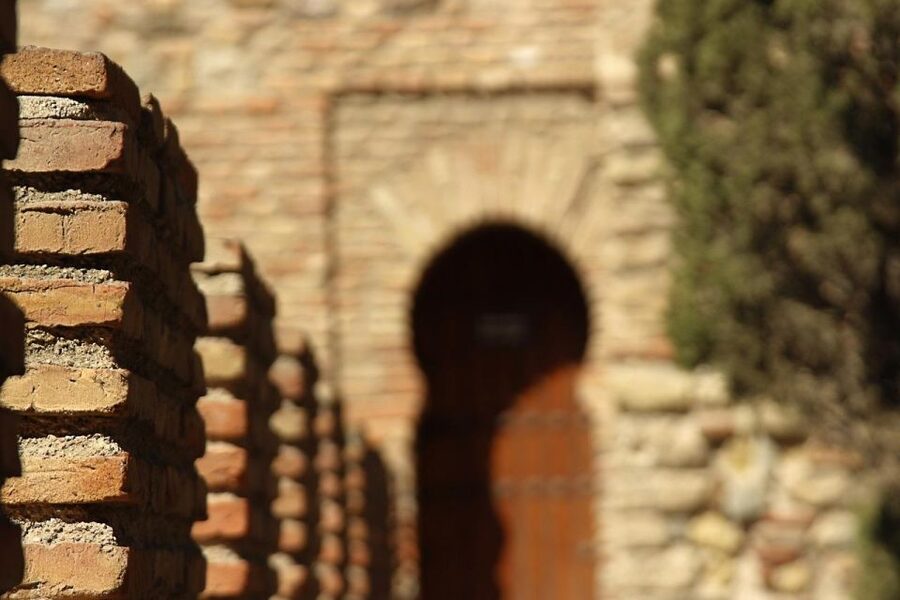
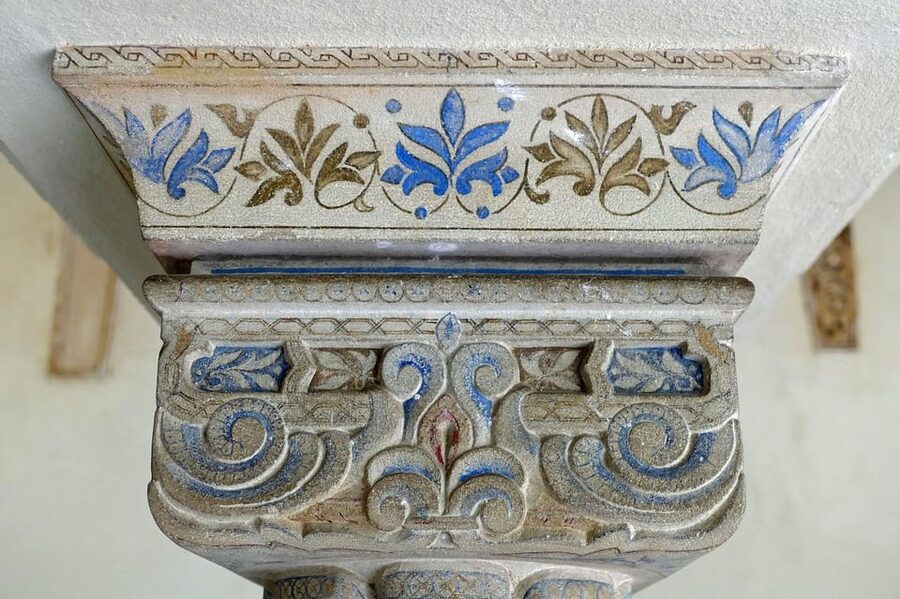
The Alcazaba section is likely to appeal most to anyone who enjoys architecture. You can expect Moorish design, palace spaces, gardens, and defensive walls, with the guide explaining how the site’s art and legends connect to its past.
The gardens offer a change of pace after the Roman Theatre. They also help you picture the Alcazaba as a lived-in palace rather than only a military stronghold. The information does not promise a particular garden feature or room, so I would not arrive expecting a specific fountain, collection, or private area. The safe expectation is a guided walk through the site’s notable palace and garden spaces.
The phrase hidden secrets should be taken as a sign of guided interpretation, not a guarantee of secret chambers. Some of the value comes from learning what you are looking at. Without context, a wall may be just a wall. With an official guide, its role in the fortress, palace, or later history becomes easier to grasp.
The route is not suitable for every body. The Alcazaba includes a climb to the ramparts, and the full itinerary is listed as inaccessible for strollers and wheelchairs. People with mobility impairments or back problems should choose another way to see Málaga’s monuments.
More Alcazaba and Gibralfaro Visits in Malaga:
- Alcazaba Malaga Guided Tour
★ 5.0 · 1,457 reviews - Málaga: Cathedral, Alcazaba, Roman Theater Walking Tour
★ 4.7 · 315 reviews - Malaga: Gibralfaro Castle, Bullring and Port Segway Tour
★ 4.8 · 298 reviews - Tour to Gibralfaro
★ 4.7 · 182 reviews
Climbing the ramparts for Málaga views
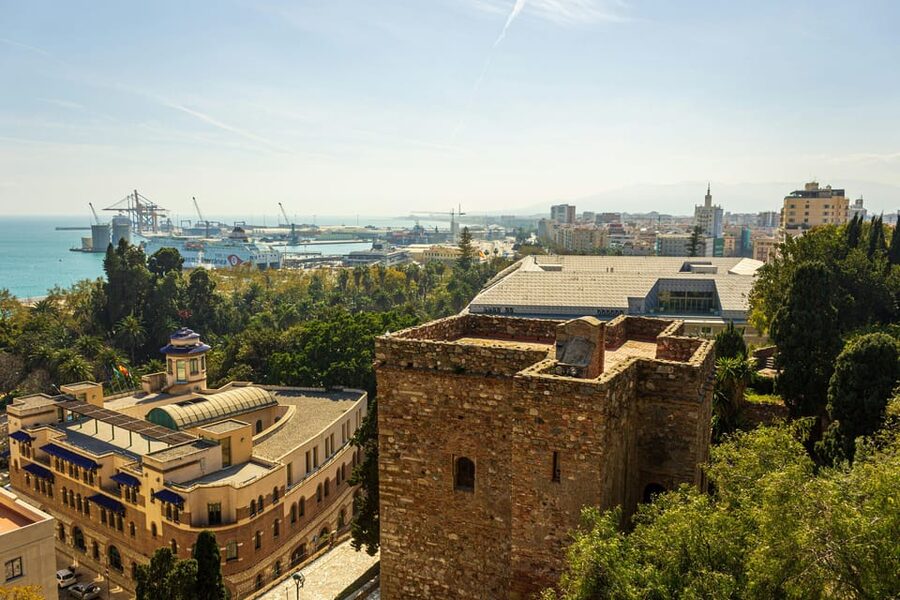
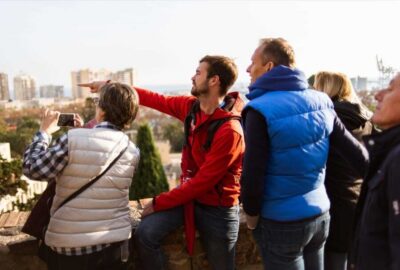
The final part of the tour takes you upward to the Alcazaba ramparts. This is where the experience shifts from close-up history to a broad city panorama. You can look across Málaga from the fortress walls and take photographs from one of the tour’s most appealing vantage points.
The climb gives the visit a clear finish. You begin with the Roman Theatre at street level, pass through the Alcazaba’s palace and gardens, then gain height above the city. The views are not an optional extra in the description. They are one of the main reasons to choose this particular route.
Bring comfortable shoes. That advice is practical rather than decorative, since the tour includes walking through a historic fortress and ascending the walls. The short duration should not fool you into wearing formal shoes or anything with poor grip.
The route also has a physical limit worth taking seriously. You should not book this tour if you use a wheelchair, need a stroller, have major mobility problems, or have back issues that make climbing difficult. The private format cannot remove the physical demands of the site.
What $58 means for the value
At $58 per person, this is not the cheapest way to look at the Roman Theatre and Alcazaba. You are paying for a private group, an official live guide, included entry tickets, and skip-the-ticket-line access, not simply admission to two monuments.
The value improves if you want explanation rather than a self-guided visit. The guide links Roman history, Moorish architecture, and the Christian conquest into one compact account. That saves you from piecing together three major chapters on your own, especially if this is your first visit to Málaga.
The private format is also important when judging the price. A private group usually makes it easier to ask about a particular architectural feature, clarify a historical point, or keep the pace comfortable for your party. The tour information does not state a maximum group size, so do not assume it is a one-person or tiny-group experience. It does confirm that the booking is private rather than a standard shared group.
For a short visit to Málaga, the price can make sense. In 90 minutes, you cover two central historic sites and finish with a view. If you prefer to spend half a day reading every sign and exploring at your own speed, the fixed route and short duration may feel restrictive.
Who will get the most from this tour
I would recommend this tour to first-time visitors who want a focused introduction to Málaga’s central monuments. It suits couples, families with older children who can manage the walking, and small private groups that want to ask questions without a large crowd.
It is also a good choice if you have limited time. The two sites are next to each other, and the tour avoids a separate transport plan. The structure is simple: meet at the Glass Pyramid, visit the Roman Theatre, enter the Alcazaba, climb for the views, and return to the same meeting area.
History-minded visitors should appreciate the chronological sweep. You start with the Roman Republic, move into the Moorish world of the Alcazaba, and finish with the Christian conquest. The experience does not try to cover every part of Málaga, but it gives you a useful framework for the city’s most prominent historic hilltop site.
I would be more cautious if you dislike guided sightseeing or need long periods to explore alone. The tour has a set 1.5-hour duration and includes a guide-led route. That is efficient, but it leaves less room for lingering, sketching, extensive photography, or independent wandering.
Practical details that affect your visit
The tour is available in English or Spanish. Choose the language that lets you follow historical explanations easily, since the guide’s commentary is a major part of the experience.
Tickets are included, and skip-the-ticket-line access is listed. This is useful during busy periods, but it does not mean you should arrive at the last second. Meet next to the Glass Pyramid before the scheduled start so the group can enter together.
You can cancel up to 24 hours in advance for a full refund. The reserve-now-and-pay-later option also gives you some flexibility when your Málaga plans are still changing. These terms are useful, but they do not change the physical demands of the route.
The full itinerary returns to the Pirámide de Cristal area. No transport is included or needed between the scheduled stops. Plan to walk from the meeting point through both monuments and up to the ramparts.
The tour has a 4.8 rating from 13 reviews, which is a strong record for a small experience. The most useful detail from the recent feedback is the praise for the guide’s competence and motivation, qualities that matter here because the tour depends on clear storytelling in a short time.
Should you book the Alcazaba and Roman Theatre tour?
Book it if you want a short private introduction to Málaga’s Roman and Moorish monuments, with tickets handled and a guide to connect the history. The side-by-side sites, English or Spanish service, and final rampart views make the route efficient and easy to understand.
Skip it if you need step-free access, a stroller-friendly visit, or a slow independent exploration. For everyone else, $58 is a reasonable price when you value personal guidance, skip-the-line entry, and a clear 90-minute route through two of Málaga’s most important historic sites.
FAQ
Where does the tour meet?
You meet next to the Glass Pyramid, or Pirámide de Cristal, located in front of Málaga’s Roman Theatre.
How long does the tour last?
The tour lasts 1.5 hours.
What sites are included?
The guided visit includes Málaga’s Roman Theatre and the Alcazaba of Málaga.
Is the tour private?
Yes. The experience is arranged for a private group.
Is the guide available in English?
Yes. Live guiding is available in English and Spanish.
Are entrance tickets included?
Yes. Guided service and entry tickets are included, with skip-the-ticket-line access listed for the activity.
Just added around Malaga
- e-Bike (Self-Guided) & Winery tour – 20km Easy★ 5.0 · 6 reviews
- Night theatrical visit to the English cemetery★ 4.2 · 5 reviews
- e-Bike (Self-Guided) Setenil Circular – 41km Easy★ 5.0 · 11 reviews
- Ronda Private Full Day Wine Tour★ 4.5 · 8 reviews
- 2h E-bike tours+1day extra in Malaga★ 5.0 · 28 reviews
- Wine & Tapas tour by electric bike (e-bike) including Ronda pickup (half day)★ 5.0 · 33 reviews
- Yacht ride in Puerto Banús★ 5.0 · 26 reviews
- Tour the Sanctuary and Walk with the Donkeys and Share their Love★ 5.0 · 13 reviews
Alcazaba and Gibralfaro Tours, compared.
Alcazaba and Roman Theatre Guided Tour With Entry
Read our review →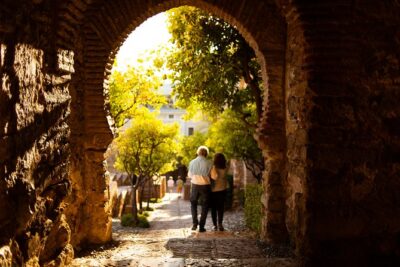
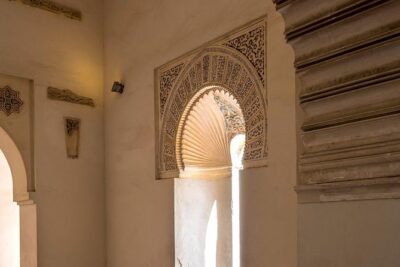
Malaga Tour with Cathedral, Alcazaba and Roman Theatre
Read our review →
Cathedral, Alcazaba, Roman Theater Walking Tour
Read our review →
Gibralfaro Castle, Bullring and Port Segway Tour
Read our review →
Malaga Private Walking Tour, Alcazaba & Catamaran Cruise
Read our review →
Browse the lists this tour appears in