
Reviewed · ALCAZABA AND GIBRALFARO TOURS
Málaga: Alcazaba and Roman Theatre Guided Tour With Entry
Málaga’s Roman Theatre and Alcazaba sit almost side by side, making this a smart way to cover two major sights in one short outing. You begin with Roman remains, then climb into an 11th-century Moorish fortress-palace of courtyards, gardens, towers, and arches. I like the fast-track access and the fact that you are not hurried out at the end.
I also like the guides’ mix of facts, legends, and local tips. Cristina is known for a lively, theatrical style, while Salvador adds restaurant suggestions and wider stories about Málaga. The main drawback is the pace: 90 minutes is enough for an introduction, not a slow study of every corner, and the hill, steps, and uneven surfaces are not suitable for wheelchair users or people with serious mobility limits.
Key points to know before booking
- Two major monuments in one visit: Start at the Roman Theatre, then continue into the Alcazaba.
- Fast-track group entry: Spend more time inside the monuments and less time waiting in line.
- Several praised guides: Cristina, Salvador, Lucía, Imma, and Belén are among the guides leading tours in different languages.
- The tour ends inside the Alcazaba: Stay afterward to take photos, rest in the gardens, and look over Málaga.
- Strong value at $14: Admission and a live guided visit are included, making this one of the less costly ways to understand the city’s main historic complex.
- Wear proper shoes: The route includes a climb and historic surfaces, and the tour is not designed for wheelchair users.
Starting beneath the red umbrella at the Glass Pyramid
The meeting point is easy to identify once you know what to look for: the Glass Pyramid in front of the Roman Theatre. Your guide waits beside it with a red umbrella, a useful detail in a busy part of central Málaga.
The start matters because the Roman Theatre is not simply a warm-up stop. It gives you the first chapter of the city’s story before you move uphill to the Islamic fortress. You are looking at the remains of Málaga’s Roman period, then tracing how the city changed under Muslim rule and later Christian control.
The guide explains the theatre’s structure and purpose, rather than leaving you to look at a few stone rows without context. That is valuable here because the remains are partly open and partly integrated into the modern city. A short explanation helps you picture how the site once functioned.
The group format keeps the price low, but it also means you need to stay close enough to hear. Guides such as Cristina are praised for checking that the whole group is together and speaking clearly. At busy times, including school visits, the Roman Theatre can feel noisy, so you may not get a long, quiet pause at every point.
More Roman Theatre and Cathedral Visits in Malaga:
- From Malaga: Cordoba Day Trip and Mosque-Cathedral
★ 4.5 · 563 reviews - Malaga Tour with Cathedral, Alcazaba and Roman Theatre
★ 4.5 · 548 reviews - Málaga: Cathedral, Alcazaba, Roman Theater Walking Tour
★ 4.7 · 315 reviews
What you see at the Roman Theatre
The Roman Theatre is the smaller part of the visit, and the time here is limited. One recent account wished for longer at the theatre, a fair point if Roman archaeology is your main interest.
Still, the stop works well as part of a combined tour. You get the basic layout and purpose of the monument, then move on before the visit becomes overly technical. If you want a detailed archaeological study, you will need more time than this tour allows. If you want a clear introduction before seeing the Alcazaba, the balance makes sense.
I especially like the sequence. The Roman Theatre sits at street level, while the Alcazaba rises behind it. You can see, in a very practical way, how Málaga’s major historic layers occupy the same small area. The transition from Roman remains to Moorish defensive architecture gives the tour a strong sense of place.
Entering the 11th-century Alcazaba
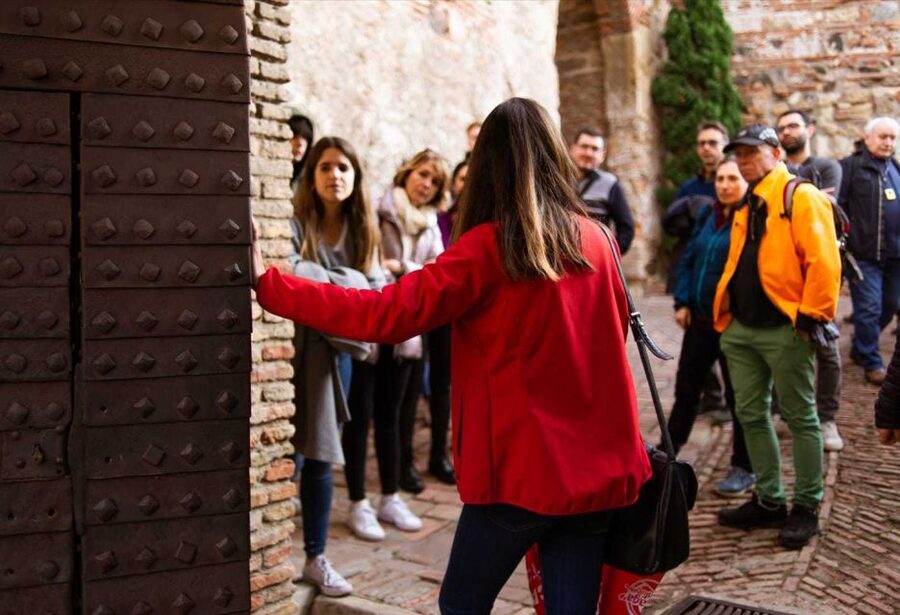
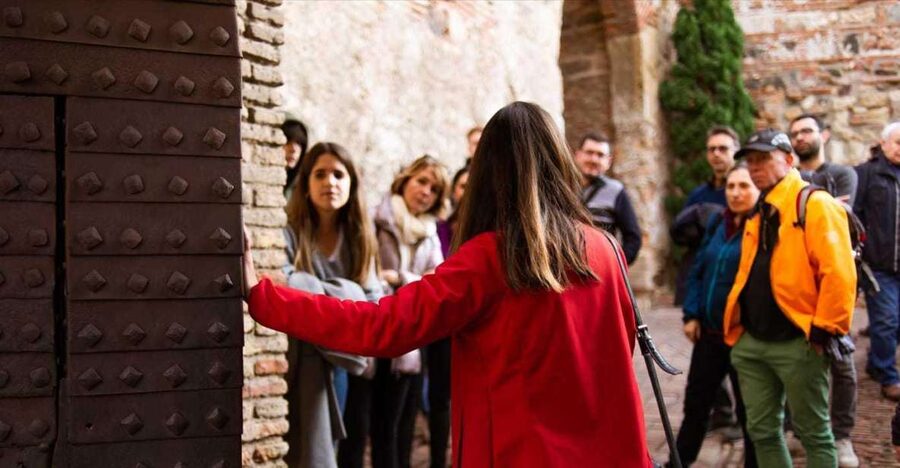
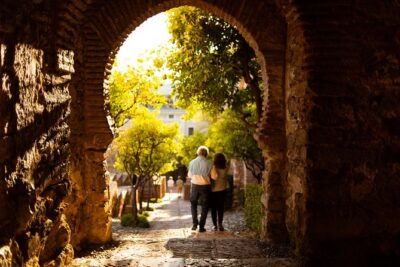
The Alcazaba is the main event. Built in the 11th century, it combines military defenses with the more graceful features of a palace. The route leads you through gates, walls, towers, courtyards, gardens, and arched spaces.
This is where a guide earns the admission price. On your own, you can admire the stonework and views, but it is easy to miss why the building is arranged as it is. The guide connects the defensive design with daily life inside the fortress and explains details from the Muslim period.
The Alcazaba is not as vast as Granada’s Alhambra, and you should not expect the same scale. One useful comparison from the experience is that the Alcazaba has its own character rather than serving as a lesser copy. It feels more compact and focused, which helps a 90-minute tour work.
The route is not a flat museum walk. You should expect an uphill approach, steps, and historic surfaces. Comfortable shoes are specifically recommended. If you have a sprained ankle, limited stamina, or trouble with inclines, tell the guide at the start. Belén, for example, was praised for checking on a participant who needed occasional rest stops, but the official conditions still make clear that the tour is not suitable for people with mobility impairments or wheelchair users.
Courtyards, gardens, and Moorish design
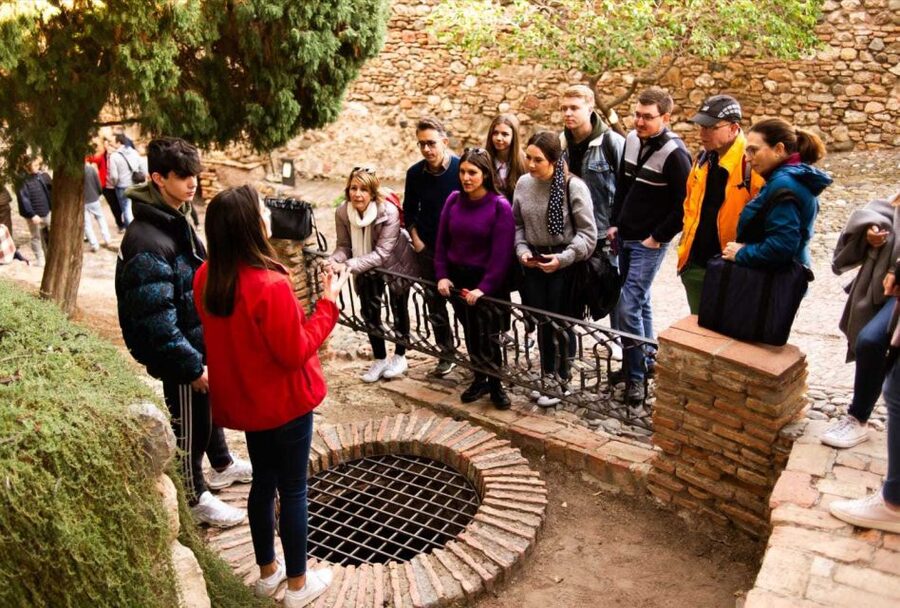
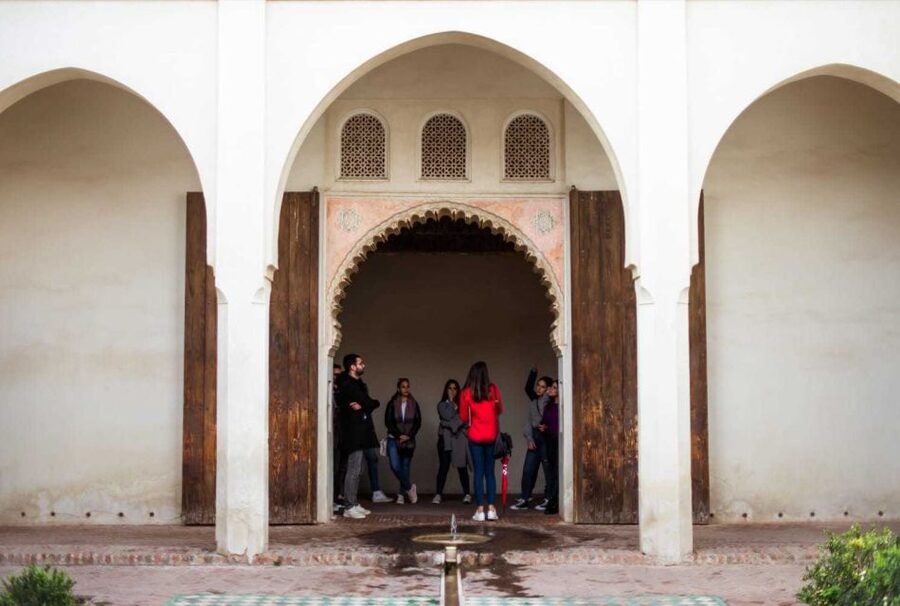
The Alcazaba’s courtyards and gardens provide a change of mood after the heavier defensive walls. You move from protection and control toward water, shade, planting, and carefully framed views.
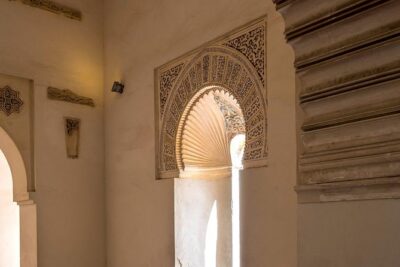
The guide points out the architectural ideas behind the arches and courtyards, as well as the way the spaces connect. These details are easier to appreciate when someone directs your attention to them. You are not just collecting photographs of attractive corners. You are learning how a fortress-palace could also be a place of residence and ceremony.
The gardens are also useful breathing spaces. The tour keeps a moderate pace, with stops for explanations and photographs. Several guides are praised for making the material accessible rather than turning the visit into a long lecture. Cristina is often described as funny and expressive, while Lucía is noted for a calm, easy-to-follow manner.
The style can vary by guide. That is normal with a multilingual group activity, and it can shape your experience. If you enjoy stories, humor, and a touch of acting, Cristina or Salvador’s reported approach may appeal to you. If you prefer clear, measured explanation, Imma and Lucía have also been praised for that style.
More Alcazaba and Gibralfaro Visits in Malaga:
- Alcazaba Malaga Guided Tour
★ 5.0 · 1,457 reviews - Malaga: Gibralfaro Castle, Bullring and Port Segway Tour
★ 4.8 · 298 reviews - Tour to Gibralfaro
★ 4.7 · 182 reviews - Malaga Private Walking Tour, Alcazaba & Catamaran Cruise
★ 5.0 · 159 reviews
Legends, conquest, and the wider story of Málaga
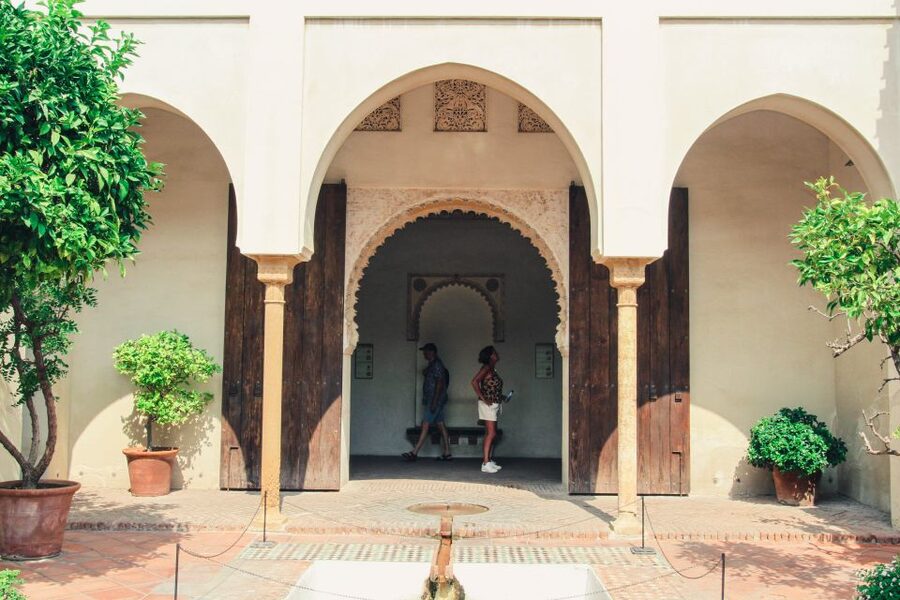
The tour does more than describe walls. You hear local legends and stories connected with the Alcazaba, then move into the difficult subject of Málaga’s conquest by Christian armies.
That broader context is one of the best reasons to choose a guided visit. The Alcazaba is not an isolated monument. Its walls reflect changes in power, religion, and daily life across Málaga. A good explanation helps you understand why the site matters to the city now, not just what happened during its construction.
The guides also connect the monument to the wider Málaga area. Salvador is praised for discussing the history of Málaga and the Spanish people, not only the fortress itself. Other guides have offered suggestions for restaurants, bars, and nearby places to see. Those tips can be useful if this is your first day in town and you want to plan the rest of your visit.
The tone is generally light, but the subject matter is not always easy. Belén was particularly appreciated for handling difficult parts of the past with care. That balance is important. You get an enjoyable tour without reducing the history to a string of jokes.
The views over Málaga, the harbour, and the sea
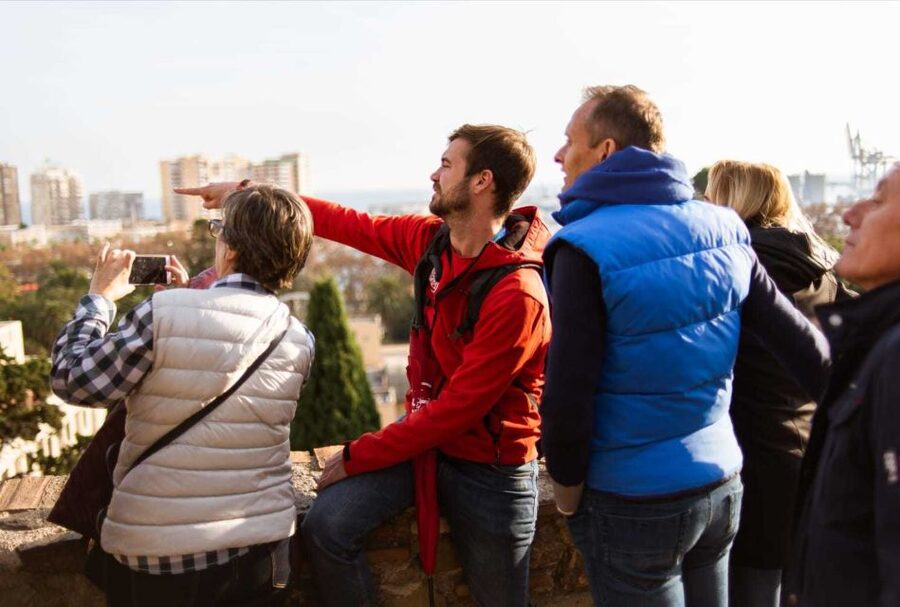
As you climb through the Alcazaba, the city opens below you. From the higher points, you can look over Málaga, the harbour, and the sea.
These views are not a minor extra. They explain the fortress’s location and defensive value better than a paragraph of description can. You see the relationship between the city, the port, and the coast. Bring your camera, but also pause long enough to understand what you are looking at.
The light and weather will affect this part of the visit. On a clear day, the outlook can be one of the most memorable parts of the tour. In rain or poor weather, some areas may be less pleasant, and the monument can close for safety. One guide, Imma, continued with a detailed city-focused explanation when bad weather prevented normal access, but you should understand that site conditions can change.
Why the ending inside the Alcazaba matters
Many guided visits finish at the exit, leaving you to decide if you want to pay again or find your way back inside. This one ends inside the Alcazaba, which is a practical advantage.
After the formal tour, you can remain to take more photos, revisit a courtyard, sit in the gardens, or simply enjoy the atmosphere without trying to keep up with the group. That extra freedom helps compensate for the compact schedule.
It also lets you adjust the visit to your interests. If the Roman Theatre was your priority, you may want to spend your remaining time in the Alcazaba’s defensive areas. If you prefer architecture and views, linger in the courtyards and higher sections. The guided portion gives you a framework, then you choose how to use the rest of your time inside.
Is $14 good value for 90 minutes?
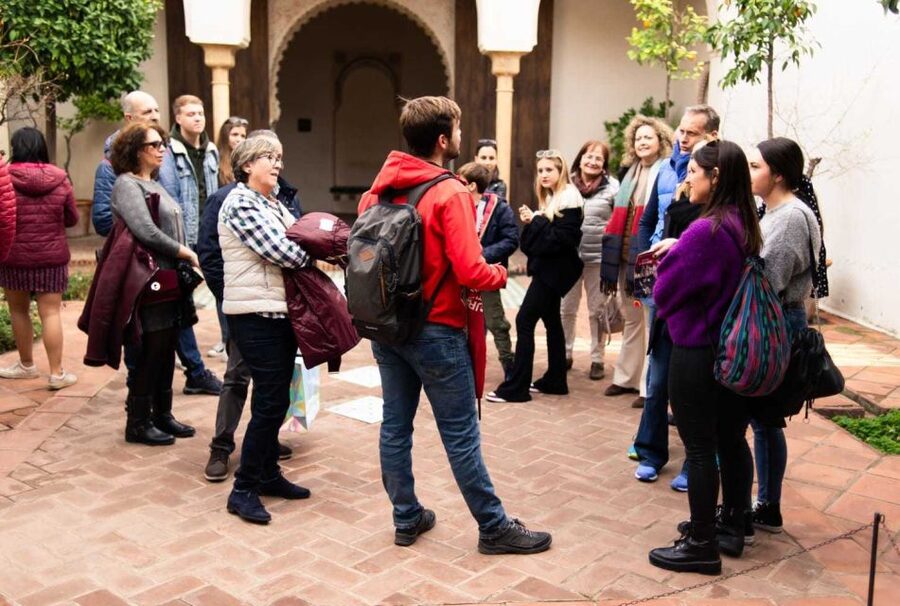
At $14 per person, this is strong value if you want both admission and explanation. You are paying for the entrance tickets, a live guide, and fast-track group access to two central sights. Buying entry separately and then trying to make sense of the monuments without context may not save much, depending on the current ticket price.
The greatest value comes from the guide. The monuments are impressive on their own, but the Roman Theatre can seem brief and the Alcazaba can feel confusing if you do not know what you are seeing. A guide turns the visit into a connected story.
There are limits. This is not a private tour, and the 1.5-hour duration leaves no room for a detailed look at every room. You should also avoid booking it if you want a completely self-directed visit from the beginning. The guided portion is the core product, though you do get independent time at the end.
The flexible booking terms add a little practical value. You can reserve now and pay later, and cancellation is allowed up to 24 hours before the tour for a full refund. Check the available starting times when booking, since the tour lasts 1.5 hours and the schedule may affect your day.
Which guide style will suit you?
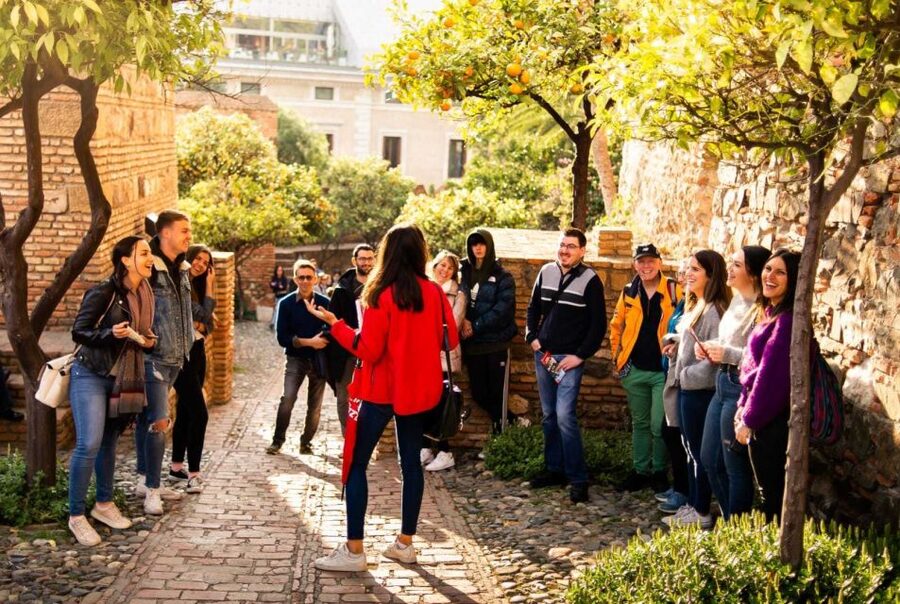
Tours are offered in English, Spanish, and Italian. Guides named in the recent feedback include Cristina, Salvador, Lucía, Imma, Belén, and Lucas.
Cristina is a good fit if you like humor, expressive storytelling, and a guide who keeps the group engaged. Salvador combines historical explanation with local suggestions and a friendly manner. Lucía is praised for making detailed information easy to follow, while Imma is noted for clear explanations and careful group management.
You may not be able to choose a specific guide when booking, so treat these names as examples of the range of styles rather than a guarantee. The common thread is a focus on making the past understandable, with several guides adding anecdotes and personal warmth.
Who should book this Málaga tour?
I would choose this for a first visit to Málaga, especially if you want a concise introduction to the city’s main historic sights. It also suits anyone who prefers to hear the story behind architecture instead of reading plaques alone.
Families and mixed-interest groups may find the format useful because the guides keep the history lively and do not make every explanation highly academic. History fans will enjoy the setting, but should plan extra independent time if the Roman Theatre or Moorish architecture is a major priority.
I would be cautious if you dislike hills, steps, crowds, or organized group pacing. The tour is not suitable for wheelchair users or people with mobility impairments, and the Roman Theatre section may feel short if it is your main reason for booking.
Should you book the Alcazaba and Roman Theatre tour?
Book it if you want good historical context, fast-track entry, and excellent value in a short visit. The combination of Roman remains, Moorish architecture, local legends, city views, and free time inside the Alcazaba gives you a lot for $14.
Skip it if you want a long, private, highly detailed archaeological tour or need a fully accessible route. For most visitors with comfortable shoes and 90 minutes to spare, though, this is a sensible way to make Málaga’s most important historic complex easier to understand.
FAQ
How long does the tour last?
The guided tour lasts 1.5 hours.
Where is the meeting point?
Meet at the Glass Pyramid in front of Málaga’s Roman Theatre. The guide waits beside the pyramid with a red umbrella.
What does the price include?
The $14 price includes the guided Alcazaba tour and entrance tickets. The visit also covers the Roman Theatre as part of the itinerary.
Which languages are available?
The tour is offered in English, Spanish, and Italian.
Can I stay inside the Alcazaba after the guided tour?
Yes. The tour ends inside the Alcazaba, allowing you to remain afterward to take photos and explore freely.
Is the tour suitable for wheelchair users?
No. The activity is not suitable for wheelchair users or people with mobility impairments. Comfortable shoes are recommended.
Just added around Malaga
- e-Bike (Self-Guided) Setenil Circular – 41km Easy★ 5.0 · 11 reviews
- e-Bike (Self-Guided) & Winery tour – 20km Easy★ 5.0 · 6 reviews
- Night theatrical visit to the English cemetery★ 4.2 · 5 reviews
- Ronda Private Full Day Wine Tour★ 4.5 · 8 reviews
- 2h E-bike tours+1day extra in Malaga★ 5.0 · 28 reviews
- Wine & Tapas tour by electric bike (e-bike) including Ronda pickup (half day)★ 5.0 · 33 reviews
- Yacht ride in Puerto Banús★ 5.0 · 26 reviews
- Tour the Sanctuary and Walk with the Donkeys and Share their Love★ 5.0 · 13 reviews
Alcazaba and Gibralfaro Tours, compared.
Malaga Tour with Cathedral, Alcazaba and Roman Theatre
Read our review →
Cathedral, Alcazaba, Roman Theater Walking Tour
Read our review →
Gibralfaro Castle, Bullring and Port Segway Tour
Read our review →
Malaga Private Walking Tour, Alcazaba & Catamaran Cruise
Read our review →
Malaga Private Walking Tour, Alcazaba & Catamaran Cruise
Read our review →Browse the lists this tour appears in