
Reviewed · EVENING EXPERIENCES
Night theatrical visit to the English cemetery
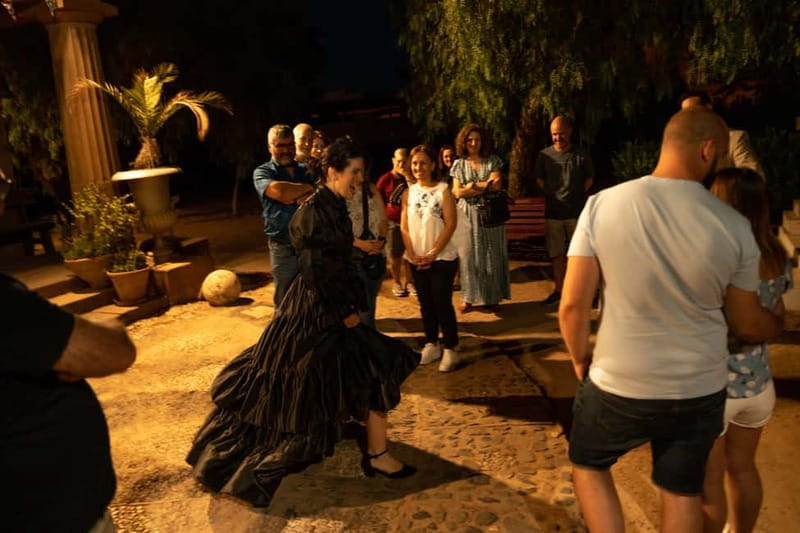
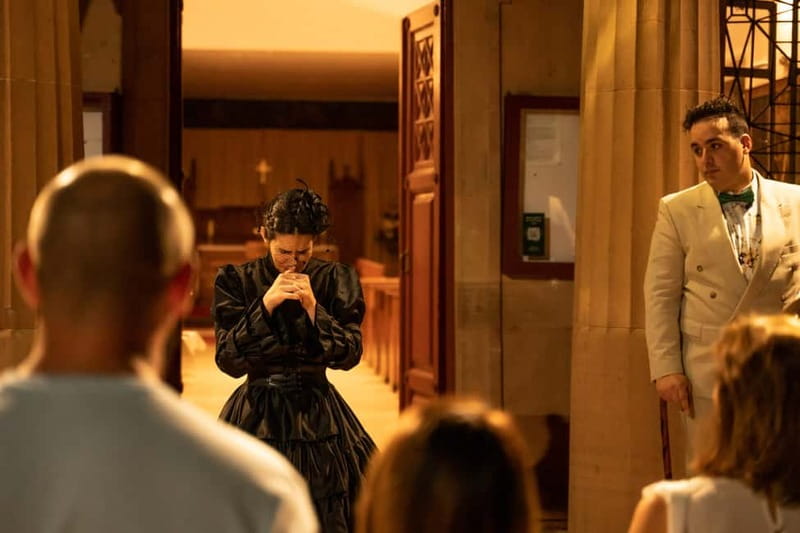
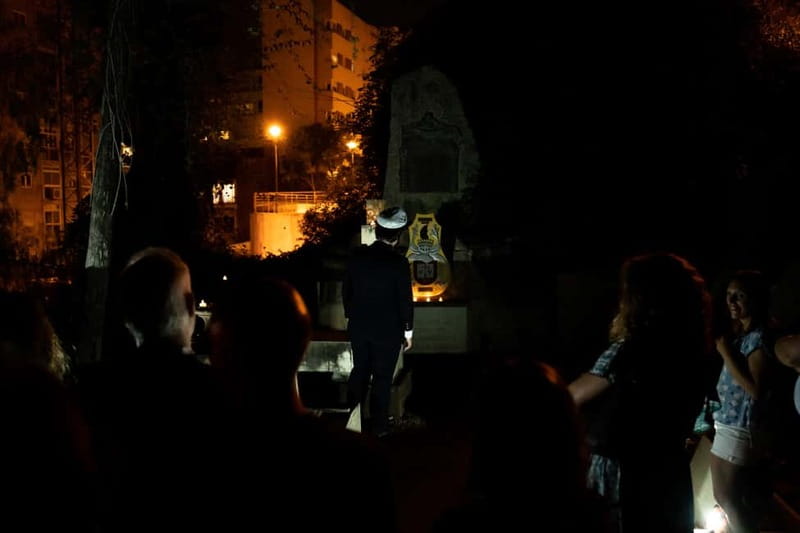
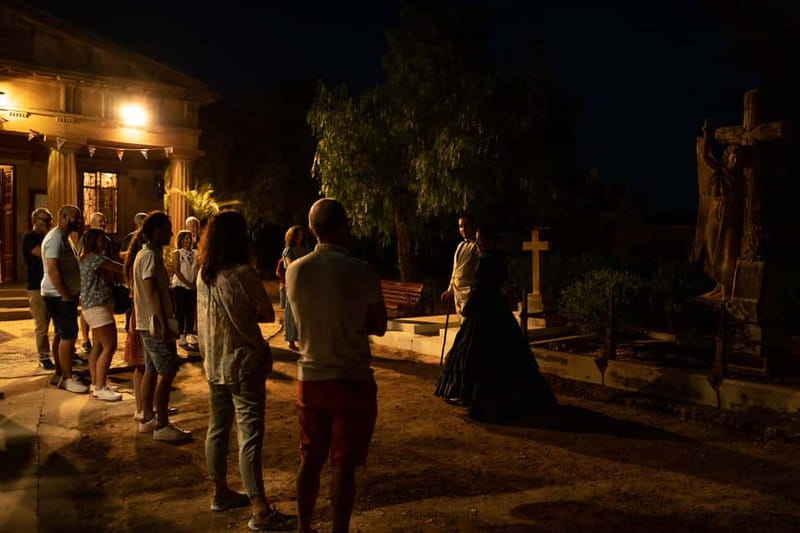
Málaga’s English Cemetery takes on a very different character after sunset. This 90-minute theatrical walk brings its graves and stories to life through scenes about a terrible shipwreck, an unjust execution, and the secrets behind the cemetery’s famous stone angel. It is part history lesson, part outdoor drama, and part Gothic night out.
I like two things here: the cemetery is visited after closing, giving you a rare look at Málaga’s first Protestant burial ground, and the stories connect the site to the wider city. The performances also sound like the real strength of the evening, with actors helping you follow the action rather than simply listening to dates and names.
The main catch is important: the performance is in Spanish. The booking information can make the language easy to miss, and once the visit begins, the gates are locked. If you do not understand Spanish, a 90-minute theatrical tour with no option to leave will be a poor fit.
Key points before you book
- A cemetery with a turning-point story: Built in 1831, it changed how Málaga buried people who were not Catholic.
- Three dramatic stories: Expect Captain Kritschman’s shipwreck, Robert Boyd’s shooting, and Mary Ann’s connection to the stone angel.
- A true after-hours visit: You enter at dusk, when the cemetery is closed to the general public.
- Spanish only: The live guide and theatrical performance are conducted in Spanish.
- Strict arrival rule: Reach the entrance 15 minutes early. Late entry is not possible once the gates close.
- Good value for history fans: At $23 per person, the price covers admission and a full 1.5-hour performance.
Why Málaga’s English Cemetery matters
Before this cemetery was built, non-Catholics in Málaga faced a grim problem after death. They could not be buried in the city’s Catholic burial grounds, so they were buried standing on the beach. The supplied description says some were then exposed to sea creatures.
That detail gives the evening its starting point. The cemetery was created in 1831 as the first Protestant cemetery on the Iberian Peninsula. It was not simply a new patch of ground for burials. It changed the city’s treatment of people from different religious and cultural backgrounds.
The cemetery also reflects Málaga’s past as a meeting place for different communities. The theatrical format lets you hear that story through people linked to the site, rather than through a standard guide speaking from a fixed script of dates.
I like that connection between the cemetery and the city. You are not only looking at graves. You are hearing how questions about religion, belonging, death, and public life affected Málaga itself.
A few more Malaga half-days to compare
- Málaga: Sunset Catamaran Trip
★ 4.6 · 3,200 reviews - Malaga: Sailing Catamaran Sunset Cruise with Live DJ & Drink
★ 4.6 · 912 reviews - Málaga Evening Tapas Crawl Tour by Food Lover Tour
★ 5.0 · 258 reviews
Entering after sunset
The meeting point is the entrance to the English Cemetery. You should arrive 15 minutes before the stated start time. This is not a casual recommendation. Once the performance begins, you cannot enter or leave because the cemetery gate is locked.
That rule shapes the whole evening. You are joining a set theatrical experience, not dropping in for a quick look around. Arrive with enough time to find the entrance and settle before the group goes inside.
The visit takes place at dusk, a useful middle ground between daylight and full darkness. You can see the setting as you move through it, while the fading light gives the cemetery the mood the performance needs. The site is closed to the public at this time, so the evening offers access that a normal daytime visit does not.
The separate entrance also means you can skip the regular line. The real benefit, though, is privacy. With the cemetery closed, the actors can control the pace and atmosphere without the usual flow of daytime visitors crossing through the scenes.
Captain Kritschman and the shipwreck
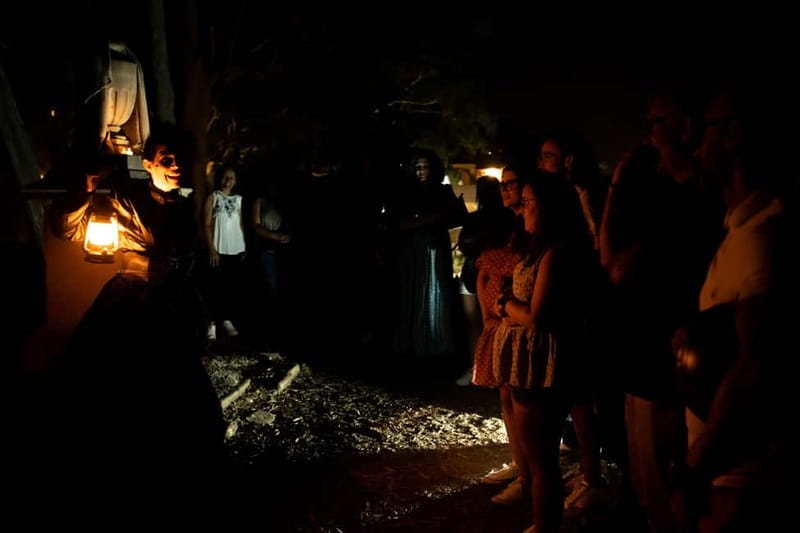
One of the main stories concerns Captain Kritschman and Málaga’s great shipwreck. The information provided does not give the full details of the wreck, so you should expect the performance to supply the dramatic account rather than arrive with a detailed maritime lecture.
This is a good example of how the tour works. A name, a disaster, and a cemetery provide the frame. The actors turn that frame into a scene, giving you a human connection to the people associated with Málaga’s past.
A shipwreck also fits the setting well. The cemetery’s story begins with death at sea and the treatment of bodies on the beach. Captain Kritschman’s tale links those earlier fears to the wider dangers faced by a port city.
You may appreciate this section most if you like history told through individual lives. If you prefer exact dates, maps, and a quiet explanation from one guide, the dramatic approach may feel less direct.
Robert Boyd’s unjust execution
Another central story is the shooting of Robert Boyd, described as unfair. The performance uses his fate to explore the cemetery’s connection with people whose lives ended under harsh or troubling circumstances.
This part should appeal to anyone interested in the human side of political or military history. The supplied details do not explain the full case, so I would not book this expecting a complete biography or a formal historical investigation. Instead, expect a dramatic retelling built to keep the story moving as you walk.
The word unjust matters here. The scene is not presented as a neutral account of someone who died. It asks you to consider how power, judgment, and public punishment shaped the lives remembered at the cemetery.
That dramatic angle is also why Spanish ability matters so much. The meaning will come from the actors’ words, timing, and delivery. You may understand the general subject from the setting, but much of the detail and emotional force will be spoken rather than shown.
Same coast, a completely different afternoon:
- Málaga: Alcazaba and Roman Theatre Guided Tour With Entry
★ 4.8 · 5,792 reviews - Benalmadena: Dolphin Watching Boat Tour
★ 4.4 · 5,786 reviews - Malaga: Teatro Flamenco Malaga Live Flamenco Show
★ 4.7 · 4,254 reviews - From Málaga: Ronda+Setenil de las Bodegas with Little Train
★ 4.6 · 4,115 reviews
Mary Ann and the stone angel
The third story centers on Mary Ann, described as the owner of the cemetery’s most famous and valuable sculpture, a stone angel. This gives the walk a more personal thread and adds a visual object to look for during the visit.
A named sculpture helps you connect the performance to the physical cemetery. You are not only hearing about Mary Ann in the abstract. You are also being directed toward a specific piece of art within the grounds.
The angel appears to be one of the evening’s key visual details, though the available information does not provide its exact location, appearance, or artistic date. I would expect the guide and actors to explain its place in the story as the group moves through the cemetery.
This section may be especially appealing if you enjoy the overlap between cemetery art and biography. The sculpture gives the performance a quiet counterpoint to the wreck and execution. Not every story is about public disaster. Some are about personal memory, ownership, and the objects left behind.
How the theatrical format changes the visit
A regular cemetery tour usually asks you to look, listen, and follow a guide. This one adds characters who supposedly lived in the period being discussed. The supplied description calls them guides from that time, so the evening is designed as a performance rather than a simple walking explanation.
That format received the strongest praise in the available feedback. The organization, guide, and actors were all singled out as excellent, and another comment praised the performances for keeping attention and making the audience feel part of what was happening.
That is useful information when judging the price. At $23, you are paying for more than cemetery admission. You are paying for a 1.5-hour production with live performers, a guided route, and access at a time when the site is closed.
The format can also be more memorable than a list of names. An actor presenting Captain Kritschman or Robert Boyd gives you a face and a voice to attach to the story. For many people, that makes the cemetery easier to understand and recall later.
Still, theatrical history is selective. A performance needs pace and drama, so it may not cover every grave or answer every detailed question. If you want a broad, quiet survey of the entire cemetery, a daytime visit or a conventional tour may suit you better.
The Spanish-language issue deserves careful attention
The most important booking detail is the language. This experience is in Spanish, and the live guide speaks Spanish. One customer arrived assuming that an English Cemetery experience would be conducted in English, then left after discovering the language barrier.
The title refers to the cemetery, not the language of the tour. Read the language field carefully before paying. If you understand Spanish well enough to follow live dialogue and historical storytelling, the format could be a fine choice. If not, the locked-gate rule makes the risk much greater.
This is not a walk where you can comfortably rely on a few visual clues. The stories about Captain Kritschman, Robert Boyd, and Mary Ann depend on spoken explanation. The acting may communicate mood, but it cannot replace the full narration.
For Spanish speakers, this limitation becomes an advantage. The performance was praised for its originality and for keeping attention throughout the visit. A Spanish-speaking visitor can enjoy both the language and the theatrical rhythm without trying to translate in real time.
Timing, meeting point, and practical planning
The full activity lasts 1.5 hours. Starting times vary, so you need to check the available date before booking. The visit begins and ends at the entrance to the English Cemetery.
Plan to arrive 15 minutes early. Since entry is not possible after the visit starts, cutting it close is a bad idea. You should also treat the full 90 minutes as fixed because leaving early is not possible once the gate is locked.
The walk takes place outdoors in a cemetery at dusk. The information provided does not specify the route length, seating, lighting, or accessibility arrangements, so you should not assume those details. If you have mobility concerns or need to leave during a tour, check with the provider before booking.
The provider is Historia Viva Málaga. The experience includes entrance to the cemetery, access at dusk, and entry while the grounds are closed to the public. Transportation is not listed, so you should make your own way to the entrance.
Free cancellation is available up to 24 hours before the activity for a full refund. You can also reserve and pay later, which helps if your Málaga plans are still shifting.
Is $23 a fair price?
For $23 per person, the value depends on what you want from a cemetery visit. If you only want to walk among the graves, the theatrical program may be more than you need. If you want a timed evening event with admission, actors, and a focused story, the price is reasonable.
The 1.5-hour length helps. This is not a brief staged welcome followed by a short look around. You receive a full evening program built around several stories and the cemetery’s role in Málaga’s past.
The price also includes access outside normal public hours. That matters because the after-hours setting is a major part of the experience, not an incidental detail.
I would compare it with the cost of a standard attraction or evening activity in Málaga. For a modest fee, you get a distinctive setting and a type of access you cannot reproduce by simply walking past the cemetery entrance during the day.
The value drops sharply if you do not speak Spanish. In that case, you may be paying for a performance you cannot follow, with no practical way to leave once it begins.
Who should book this experience?
I would recommend it to you if you:
- Understand Spanish and enjoy live storytelling.
- Like cemeteries, local history, and unusual evening activities.
- Prefer character-based stories to a standard list of dates.
- Want to see the English Cemetery after public hours.
- Can commit to the full 90 minutes without leaving.
- Enjoy theatrical performances with a historical setting.
I would be cautious if you are traveling with young children who may not want a serious cemetery setting, though the supplied information does not state an age limit. I would also choose another activity if you need a flexible schedule, dislike locked-entry experiences, or want a tour in English.
The tone sounds more dramatic than solemn. Stories of wrecks, executions, death, and secrets are central to the program. That makes the evening suitable for people who enjoy Gothic atmosphere, but less suitable if you want a gentle or purely architectural look at the cemetery.
Should you book the night visit?
Book it if the Spanish language, fixed timing, and dramatic style all work for you. The combination of an after-hours cemetery, live actors, and stories tied to Málaga’s religious and social past gives you an experience that is quite different from a standard sightseeing walk.
I especially like the way the program links the cemetery to real city issues. The 1831 burial ground was created because non-Catholics needed a proper place for the dead. The stories of Captain Kritschman, Robert Boyd, and Mary Ann then give that larger subject a personal face.
Do not book it by accident because the name English Cemetery suggests English narration. Confirm the language before reserving, arrive 15 minutes early, and be ready to remain inside for the full 1.5 hours. If those conditions suit you, $23 is a fair price for a distinctive Málaga evening.
FAQ
Where does the night theatrical visit begin?
It begins at the entrance to the English Cemetery in Málaga.
Where does the activity finish?
The visit ends back at the entrance to the English Cemetery.
How long does the experience last?
The theatrical visit lasts 1.5 hours.
What language is the tour in?
The live guide and theatrical visit are in Spanish.
Can I enter after the performance has started?
No. You must arrive 15 minutes early because entry is not possible once the visit has begun.
Can I leave during the visit?
No. Once the tour starts, you cannot leave the cemetery because the gate is locked.
What is included in the price?
The price includes entrance to the English Cemetery and access at dusk while it is closed to the public.
Can I cancel for a refund?
Yes. You can cancel up to 24 hours in advance for a full refund.
Just added around Malaga
- e-Bike (Self-Guided) Setenil Circular – 41km Easy★ 5.0 · 11 reviews
- e-Bike (Self-Guided) & Winery tour – 20km Easy★ 5.0 · 6 reviews
- Ronda Private Full Day Wine Tour★ 4.5 · 8 reviews
- 2h E-bike tours+1day extra in Malaga★ 5.0 · 28 reviews
- Wine & Tapas tour by electric bike (e-bike) including Ronda pickup (half day)★ 5.0 · 33 reviews
- Yacht ride in Puerto Banús★ 5.0 · 26 reviews
- Tour the Sanctuary and Walk with the Donkeys and Share their Love★ 5.0 · 13 reviews
- Malaga Food Walking Tour with Atarazanas Market Visit★ 5.0 · 23 reviews
Evening Experiences, compared.


Sailing Catamaran Sunset Cruise with Live DJ & Drink
Read our review →
Málaga Evening Tapas Crawl Tour by Food Lover Tour
Read our review →
Sunset Sailing along the Marbella coast from Puerto Banus
Read our review →


Flamenco, Tapas and Wine Tour: Best of Málaga in one Evening
Read our review →
Browse the lists this tour appears in