
Reviewed · COSTA DEL SOL HORSE SHOWS AND RIDING
Visita Entre Toros y Caballos
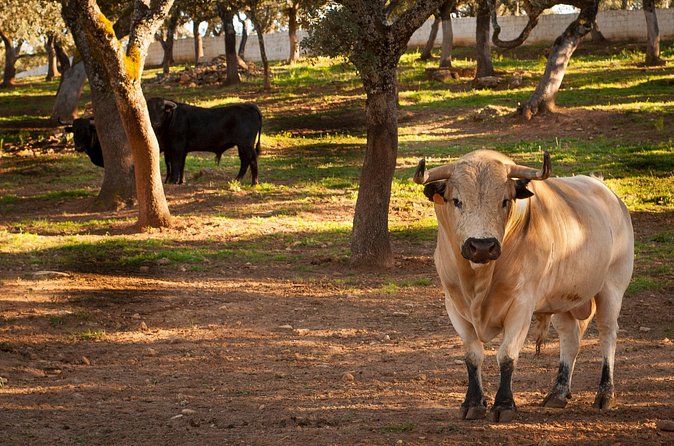
Reservatauro Ronda gives you a close look at the world behind Spanish bullfighting, not from a stadium seat but from a working ranch where bulls, cows, and Andalusian horses live across oak-covered pasture. You visit the testing ring, stables, pens, practice arena, and open fields while guides explain how the animals are raised and selected. The 500-acre setting inside a UNESCO Biosphere Reserve is a major part of the appeal.
I like the chance to see animals at several stages of development, and I like that the tour includes practical details rather than only a polished presentation. Guides such as Frida, Desiree, Paloma, Lara, Paqui, and Isabelle have been praised for explaining the ranch with warmth and answering questions. The main caution is the language setup: English is offered, but some departures may combine groups and provide an audio guide instead of a dedicated English-speaking guide.
Key points to know before booking
- A working ranch near Ronda: This is an active breeding farm, not simply an animal display.
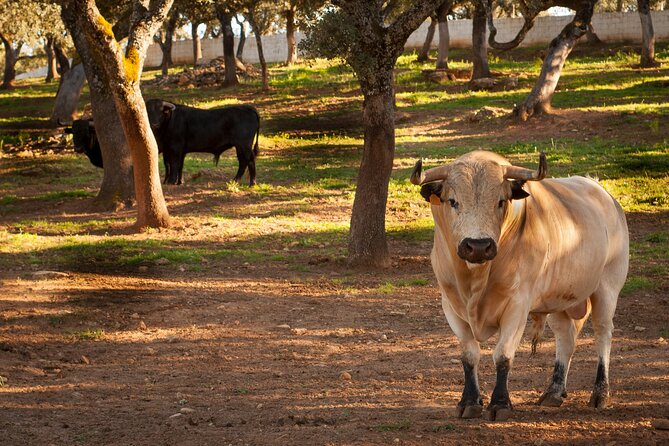
- Free-roaming bulls and horses: You see the animals across oak-studded pasture in a protected mountain setting.
- Bullfighting from the inside: The visit covers breeding, selection, training, capotes, muletas, and the role of the practice ring.
- A small group experience: The maximum group size is 15, which should allow room for questions.
- English is available, but confirm the format: Some departures use an audio guide when groups in different languages are combined.
- Plan for a flexible schedule: The stated duration is about 1 hour 10 minutes, but one detailed account lasted close to 2.5 hours.
What Reservatauro Ronda actually shows you
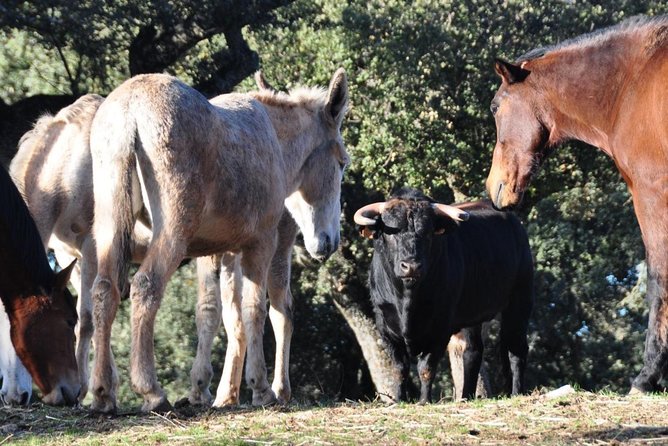
The first thing to understand is that Reservatauro is not a bullfighting show. You are not promised a live corrida, a staged animal performance, or a dramatic demonstration with a charging bull. Instead, you are visiting the ranch where the animals are bred, raised, observed, trained, and selected.
That distinction matters. The visit is strongest when you want to understand how the traditional system works before an animal ever reaches an arena. You see the farm as a place of daily work, with cattle and horses connected to breeding, handling, training, and land management.
The ranch covers about 500 acres, with centenary holm oaks and Mediterranean pasture. The setting is part of a UNESCO Biosphere Reserve, so the open countryside is not just a backdrop for photographs. It helps explain why the animals are raised in spacious fields rather than kept in a compact urban facility.
I would approach this tour as a countryside visit with a bullfighting focus. If you want a clear look at Andalusian horses, traditional ranch life, and the breeding of fighting bulls, it offers plenty to consider. If you want constant action, it may feel quiet.
More Horse Shows and Riding near Malaga:
- Fuengirola: Spanish Horse Show with Optional Dinner/Flamenco
★ 4.1 · 249 reviews - Horse and Flamenco Show in Malaga
★ 4.5 · 125 reviews - Torremolinos: Spanish horse show and flamenco with dinner option
★ 4.9 · 28 reviews
Entering the testing bullring
The indoor and working areas give the tour its structure. One early stop is the testing bullring, where cattle selection takes place. Your guide explains how the ranch assesses animals and how different stages of development fit into the larger breeding program.
The testing ring is especially useful for visitors who know little about fighting bulls. A bull is not simply chosen because it looks impressive. The discussion covers the practical side of breeding and selection, giving you a better sense of how the ranch evaluates its animals.
You also visit the pens used for direct work with the cattle. This helps connect the open fields with the hands-on side of ranch life. The animals may appear to roam freely, but a working breeding operation still requires careful handling, observation, and controlled contact.
This part of the experience can be more educational than exciting. You are looking at facilities and listening to explanations, not watching a contest. I like that the visit does not pretend ranch work is a spectacle. Still, visitors expecting a live demonstration should set their expectations carefully.
Meeting the Andalusian horses in the stables
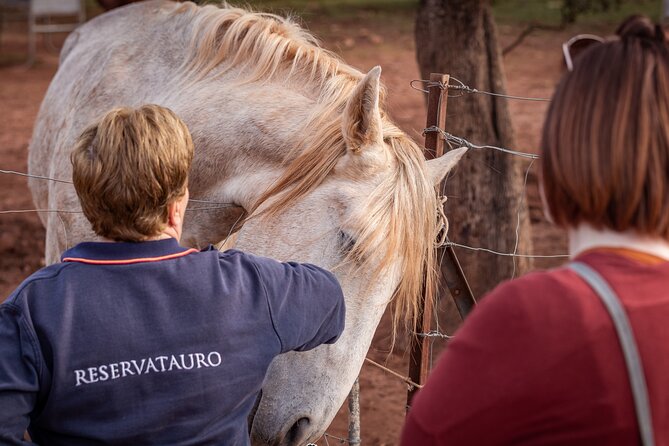
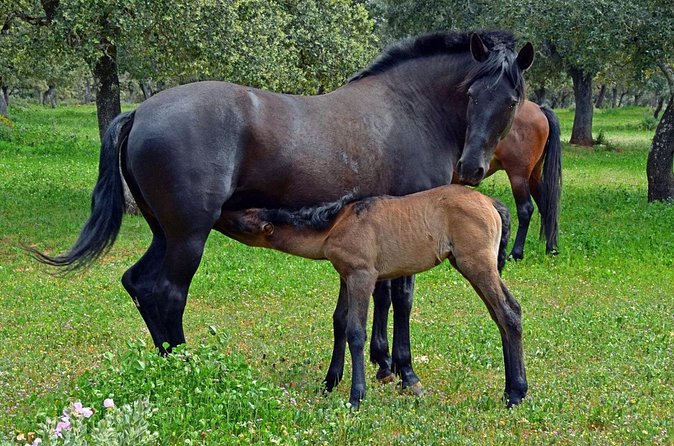
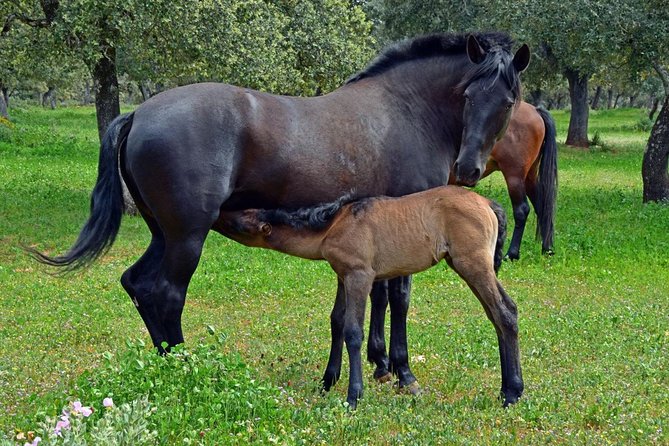
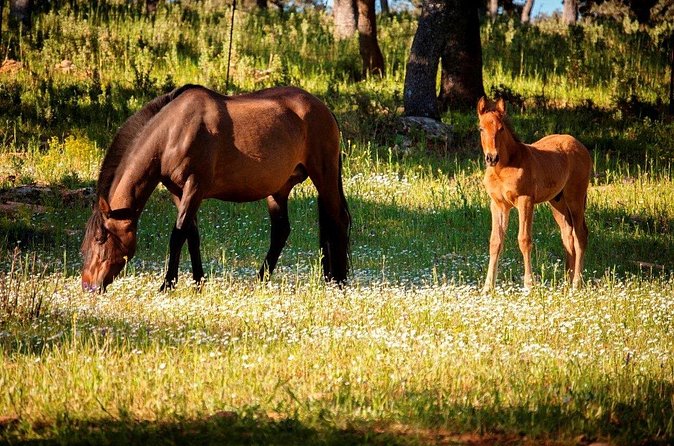
The horse portion is one of the safest bets for families and for anyone who has little interest in bullfighting. You visit the stables and learn about the Andalusian horses, which are raised alongside the cattle on the property.
The horses are often the emotional highlight of the visit. Their appearance, care, and role on the ranch give you a more approachable entry into the farm. Children can connect with the animals quickly, while adults get a look at the daily care behind a working stable.
The horses are not presented as a separate attraction divorced from the ranch. They are part of the property’s working system. The guides explain how the horses and cattle are raised, handled, and kept in the open surroundings.
The visit does not promise a riding session, horse show, or hands-on grooming activity. That is important when comparing it with an equestrian attraction. You are there to see the horses, learn about their place on the ranch, and understand the farm as a whole.
Riding the ranch route through oak pasture
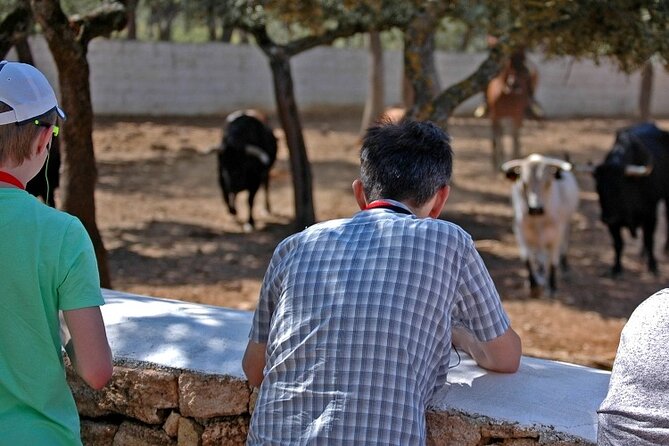
After the buildings and facilities, the visit continues through the property. One detailed description explains that the vehicle is a truck towing a passenger trailer, often referred to as a small train. It carries the group through different sections of the ranch, including areas used for breeding and fighting cattle.
This ride gives you the scale of the property. From close quarters, it is easy to think of the ranch as a few stables and an arena. The route shows that the operation extends much farther, with animals separated by age, purpose, or breeding role.
Your guide points out which animals occupy each section and explains how the fields are used. You may see bulls, cows, and horses at different stages of development, although the exact animals visible can vary. The key value is context: you learn why the ranch is organized as it is.
The ride itself is not a thrill attraction. It is a slow look at the property, and the experience depends heavily on the guide’s commentary. If you receive a clear explanation in your language, it can be fascinating. If your group is combined with another language and you are listening mainly to an audio guide, the ride may feel less engaging.
A paper brochure may be provided to help you follow along. That can be useful, especially if the spoken presentation is shared between language groups. If English matters to you, confirm how the English portion will be handled when booking or on arrival.
Same coast, a completely different afternoon:
- Málaga: Alcazaba and Roman Theatre Guided Tour With Entry
★ 4.8 · 5,792 reviews - Benalmadena: Dolphin Watching Boat Tour
★ 4.4 · 5,786 reviews - Malaga: Teatro Flamenco Malaga Live Flamenco Show
★ 4.7 · 4,254 reviews - From Málaga: Ronda+Setenil de las Bodegas with Little Train
★ 4.6 · 4,115 reviews
Learning how bullfighting training works
The practice ring is where the bullfighting subject becomes more concrete. This is the space where a bullfighter trains, and your guide introduces the tools of the trade: the capote, a large pink cape, and the muleta, the smaller red cloth associated with the final part of a bullfight.
You may have a chance to try a pass or two yourself. That gives the visit a modest hands-on moment without turning it into a full performance. It also helps you understand the precision of the movements, the position of the body, and the visual language of the arena.
The tour presents bullfighting as a tradition and a working profession. You hear about preparation, breeding, ranch routines, and training. The visit does not appear to include a guaranteed bullfighting demonstration, video, or formal show. One dissatisfied account specifically wished for more visual material and demonstrations, so do not book this expecting a staged production.
That can be either a weakness or a strength. If you want an honest look at the subject, the lack of theatrical extras keeps the visit grounded. If you need action, spectacle, or a dramatic presentation, the tour may seem restrained.
The guides make a large difference
The quality of this experience depends heavily on the person leading your group. Several guides have been singled out by name for clear explanations and personal attention, including Frida, also spelled Frieda in some references, Desiree, Paloma, Lara, Paqui, and Isabelle.
Desiree has led visits in English, German, and Spanish, and has been praised for answering questions about the property. Paloma has also guided multilingual groups. Lara has led French-language visits, while Frida has been especially appreciated for explaining the ranch’s history and the care given to the animals.
That range suggests a genuinely international operation, but it does not guarantee that every departure will have a dedicated guide in your preferred language. English is listed as an available language, yet one English-speaking group was combined with a French-speaking group and given an audio guide and printed material.
If you are comfortable with basic English and independent reading, that arrangement may be manageable. If you want a continuous live explanation, language is worth checking before you commit. This is the clearest practical issue in an otherwise highly praised experience.
How long should you allow?
The listed duration is approximately 1 hour 10 minutes. That is the figure to use when comparing the tour with other activities, but it may not tell the whole story.
A detailed account describes a visit lasting nearly 2.5 hours, including the buildings, arena, stables, and vehicle route through the ranch. The difference may reflect the pace of the group, the guide, the route, or how the operator counts the experience.
I would not place this tour between two tightly timed appointments. Give yourself extra room, especially if you enjoy asking questions or if the ranch visit includes a longer route. The scheduled start time is noon, so plan your day around an afternoon activity rather than assuming you will be finished quickly.
A longer visit can be a benefit at this price. You get more time with the guide and more time to see the property. It can also be a drawback if you expected a short stop on the way to another sight.
Is the $36.16 price fair?
At $36.16 per person, the value depends on what you want from a rural visit. You are paying for admission to a working ranch, a guided look at its facilities, access to the animal areas, the ranch route, and an explanation of bull breeding and bullfighting traditions.
That is fair value if you are already visiting the Ronda area and want something beyond the town’s famous streets and viewpoints. The large property, small maximum group of 15, and access to working areas give the tour more substance than a simple photo stop.
The price may feel high if you expect a show. There is no stated welcome drink, no guaranteed demonstration, and no promise of a live bullfight. You are paying for access and interpretation, not entertainment on demand.
I would compare it with the cost of a short guided cultural attraction, not with a full-day excursion. The animals and setting are the main draw. The value improves for families, horse lovers, and anyone curious about how the bullfighting tradition connects to ranch life.
Who will enjoy this visit most?
I would recommend Reservatauro to you if you fit one or more of these descriptions:
- You want to see a working Andalusian ranch rather than a city attraction.
- You are interested in the origins and preparation behind Spanish bullfighting.
- You enjoy horses and want to see them in a genuine farm setting.
- You are traveling with children who like animals and open countryside.
- You prefer a small-group visit with time for questions.
- You want a cultural experience near Ronda that does not require a full day.
I would be more cautious if you dislike bullfighting on ethical grounds. The tour explains and presents the breeding and training system connected with the tradition. You can still appreciate the horses, ranch, and scenery, but the subject is central rather than incidental.
I would also think twice if your main goal is dramatic action. The tour is about observation, explanation, and access to the property. It is not a performance.
Practical details that affect your choice
The tour begins at noon and accepts mobile tickets. A minimum of two people is required per booking, and the maximum group size is 15. That cap should help keep the visit more personal than a large coach tour.
Most people can take part, and service animals are allowed. The experience provider is Reservatauro Ronda. Confirmation is normally sent at booking, although reservations made within four hours of departure may require a short wait for availability confirmation.
Free cancellation is available up to 24 hours before the start time for a full refund. Changes or cancellations inside that window are not accepted for a refund. The minimum group rule also matters: if the operator cancels because too few people have booked, you are offered another date or experience, or a full refund.
The tour is commonly booked about 13 days ahead. That does not mean you must reserve exactly two weeks out, but it is a useful sign that advance planning is sensible during a busy visit to Andalusia.
A thoughtful way to approach the bullfighting subject
You do not need to be a bullfighting fan to get value from this visit. In fact, the ranch gives you a chance to understand the tradition before deciding how you feel about it.
The guide explains the animals, the breeding process, the training tools, and the work involved in preparing a bullfighter. You can listen, ask direct questions, and pay attention to how the animals are kept. The setting also makes clear that this is a living rural practice, not only a symbol on a souvenir shop poster.
At the same time, the tour is not designed as a debate about animal welfare. If ethical questions are important to you, ask them respectfully and judge the experience by the answers you receive. The open pasture and stated care for the animals may reassure some visitors, while the connection to bullfighting may remain uncomfortable for others.
That tension is part of the visit. It is better to recognize it before booking than to expect a neutral horse farm.
Should you book Reservatauro Ronda?
Book it if you want a close, practical look at an Andalusian ranch and you are curious about the cattle, horses, and traditions behind bullfighting. The setting is special, the animals are the real attraction, and the best guides add useful detail without making the visit feel like a stage show.
I would especially suggest it to families, horse lovers, and visitors with time to spare near Ronda. Go in expecting a quiet working farm, not a bullfight. Allow more than the advertised 70 minutes, and confirm the English-language arrangements if a live English guide is important to you.
Skip it if you want guaranteed demonstrations, fast-paced entertainment, or a tour entirely separate from bullfighting culture. For the right visitor, though, Reservatauro offers a rare look at the countryside, animals, and people behind one of Spain’s most debated traditions.
FAQ
Where is Reservatauro Ronda located?
The ranch is near Ronda in the province of Malaga, Spain. It is set in a Mediterranean pasture area within a UNESCO Biosphere Reserve.
What time does the tour start?
The stated start time is 12:00 pm.
How long does the experience last?
The advertised duration is approximately 1 hour 10 minutes. The actual visit may run longer, with one detailed account lasting close to 2.5 hours.
Is the tour available in English?
English is offered. However, some groups may be combined with visitors speaking another language and receive an audio guide and printed material instead of a dedicated live English-speaking guide.
How many people can join the tour?
The activity has a maximum of 15 participants. A minimum of two people is required per booking.
Are children and most adults able to participate?
Most people can participate, and the experience is suitable for many families. Service animals are allowed.
Can I cancel for a full refund?
Yes. You can cancel at least 24 hours before the local start time for a full refund. Cancellations or changes made less than 24 hours before the start are not refunded or accepted.
Just added around Malaga
- e-Bike (Self-Guided) Setenil Circular – 41km Easy★ 5.0 · 11 reviews
- e-Bike (Self-Guided) & Winery tour – 20km Easy★ 5.0 · 6 reviews
- Night theatrical visit to the English cemetery★ 4.2 · 5 reviews
- Ronda Private Full Day Wine Tour★ 4.5 · 8 reviews
- 2h E-bike tours+1day extra in Malaga★ 5.0 · 28 reviews
- Wine & Tapas tour by electric bike (e-bike) including Ronda pickup (half day)★ 5.0 · 33 reviews
- Yacht ride in Puerto Banús★ 5.0 · 26 reviews
- Tour the Sanctuary and Walk with the Donkeys and Share their Love★ 5.0 · 13 reviews
Costa del Sol Horse Shows and Riding, compared.
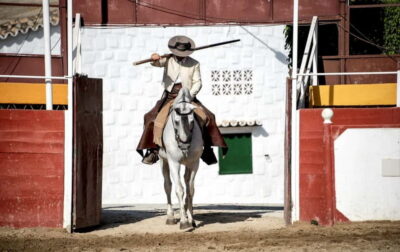
Fuengirola: Spanish Horse Show with Optional Dinner/Flamenco
Read our review →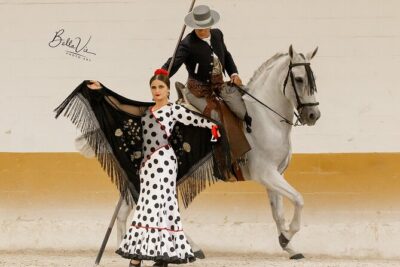
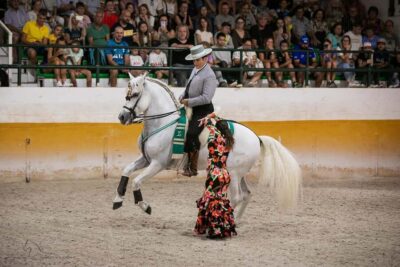
Torremolinos: Spanish horse show and flamenco with dinner option
Read our review →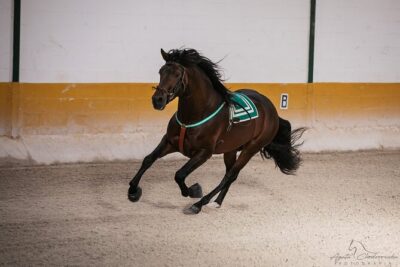
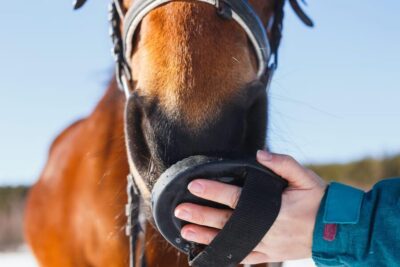
Torremolinos: Guided tour to stables of El Ranchito
Read our review →
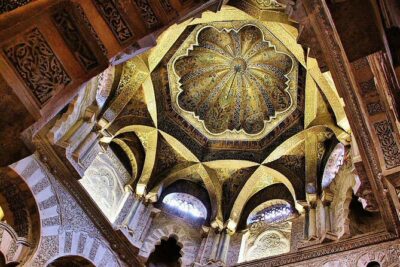
Private Cordoba & Seville Tour with a Finale Horse Carriage Ride
Read our review →Browse the lists this tour appears in