
Reviewed · RONDA DAY TRIPS FROM MALAGA
Private visit to Ronda 2 hours
Ronda’s great trick is that its most memorable sights fit into one compact walk. In two hours, you’ll look down into the Tajo gorge, view the 1793 New Bridge from several angles, pass Spain’s oldest bullring, and finish beside the bridge. I like the private format, which lets your group set the pace, and I like the local storytelling, especially when guides such as Alfredo add childhood memories rather than reciting dates alone.
The main drawback is time. Two hours is enough for views, orientation, and exterior sights, but not a leisurely visit inside every monument. The bullring admission is not included, and you’ll need to arrange your own visit if you want to see its museum and short film.
Key points to know before booking
- A focused walk through Ronda’s best viewpoints: The route links Alameda del Tajo, the New Bridge, the Jardines de Cuenca, and Mirador de Aldehuela.
- Private for your group of up to 15: You won’t be sharing the guide with strangers, and the guide can adjust the conversation to your group.
- Local guides add character: Marta, Alfredo, and Alberto have been praised for personal stories, clear explanations, and a thoughtful approach to Ronda.
- No sightseeing tickets are built into the price: Most stops are outdoor viewpoints or public spaces. The Palacio de Salvatierra and bullring visit require separate admission if you choose to enter.
- The route starts in central Ronda and ends beside the New Bridge: That makes it easy to continue exploring after the tour.
- Good value for a small group: At $300.40 for up to 15 people, the price makes more sense when shared by several people than when booked by one or two.
Why this short Ronda walk works
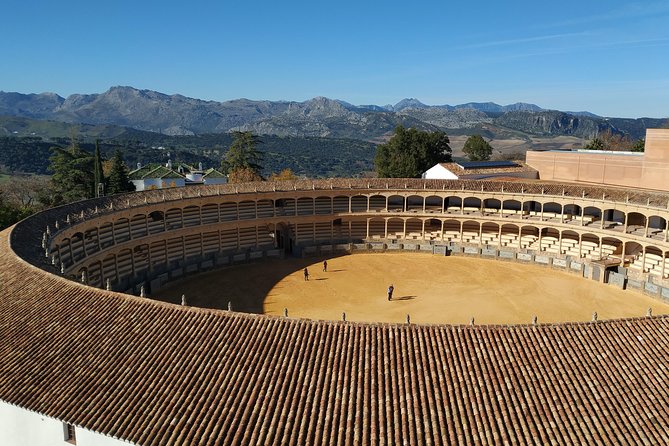
Ronda can feel confusing at first. The town sits on both sides of a dramatic gorge, and its streets, bridges, churches, and viewpoints do not always reveal how they fit together. This tour gives you a clear route from the Alameda del Tajo to the New Bridge and the old quarter, ending at Mirador de Aldehuela.
That route matters. You are not simply being driven between scattered photo stops. You walk through the places that explain how Ronda developed, from the bullring and modern city center to the old bridge, Moorish quarter, churches, and hilltop views toward the Sierra de Grazalema.
The tour lasts about two hours. The listed stops include roughly 95 minutes of viewing and explanation, with the rest used for walking between locations. That makes the pace purposeful rather than slow. You should expect a sightseeing walk with frequent pauses, not a long museum tour or a full-day historical program.
Because the activity is private, your group can ask questions without waiting for a large crowd. A family may want more stories and fewer dates. A group interested in architecture may prefer to pause at the Salvatierra Palace or Santa María church. The private setup gives the guide room to respond.
More Ronda Days from Malaga:
- From Málaga: Ronda+Setenil de las Bodegas with Little Train
★ 4.6 · 4,115 reviews - From Malaga: Ronda and Setenil Guided Tour Day Trip
★ 4.5 · 3,072 reviews - From Malaga: Ronda and Setenil de las Bodegas Day Trip
★ 4.6 · 1,552 reviews
Starting at Alameda del Tajo
The meeting point is Pl. de la Merced, 1, near Alameda del Tajo. This is a sensible place to begin because the park gives you an immediate introduction to Ronda’s setting.
The Alameda’s gardens are about 200 years old, and their paths lead to viewpoints over the surrounding countryside. You’ll spend about 10 minutes here, enough to get your bearings and see why Ronda’s position on the edge of the gorge has shaped the town’s identity.
I like this opening because it starts with space and views before moving into history. You are not squeezed into a narrow street right away. The park also gives the guide a chance to explain the layout of Ronda before you cross into the older parts of town.
Keep your expectations realistic. This is a short stop, not a full garden visit. If you want time for photographs from every viewpoint, you may need to return after the tour.
The bullring and Ronda’s modern bullfighting story
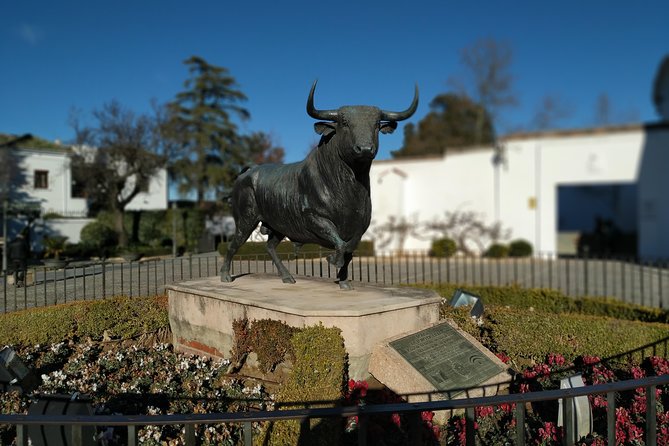
The next stop is the area around the Plaza de Toros de Ronda, often linked with the development of modern bullfighting. The guide explains the bullring’s place in Ronda and the connection between the town and famous admirers such as Ernest Hemingway and Orson Welles.
Admission is not included. You will see the surroundings during the walk, but entering the bullring is an extra decision and an extra expense. That is important when comparing this tour with a package that includes monument tickets.
I would set aside additional time for the bullring if the subject interests you. A useful tip is to watch the short film in the museum area after your guided walk. One past participant specifically found this worthwhile, and it can give the arena more context than a quick look from outside.
The bullring stop also shows the tour’s balance. It does not treat Ronda as only a postcard town. You get a look at a practice that remains important to Spanish cultural history but can also raise strong feelings. A good guide should explain its role without turning the whole visit into a sales pitch.
Seeing the New Bridge from every side
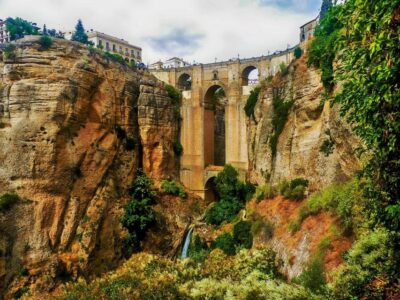
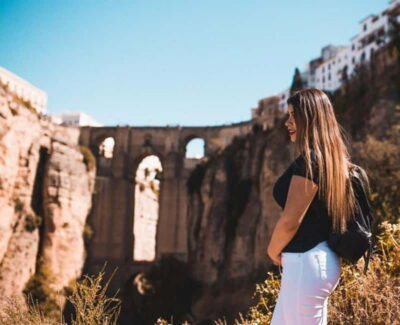
The New Bridge is Ronda’s famous symbol, completed in 1793. The tour does not rush you to one single photo spot. Instead, you observe it from several angles, which is one of the strongest parts of the route.
The bridge joins the newer part of Ronda with the old quarter across the Tajo gorge. From different viewpoints, you can notice its height, the stone construction, and the way the bridge dominates the town’s center. The guide’s job here is less about giving you one perfect photograph and more about helping you understand how the bridge connects the two halves of Ronda.
This stop is short on paper, but the views can make it feel fuller. If you are carrying a camera, keep it ready. You may want to take a few photos during the walk and then return later for a slower look.
The bridge is also where the route becomes especially useful for first-time visitors. Once you understand where the New Bridge, Old Bridge, Plaza de España, and gorge sit in relation to one another, Ronda becomes easier to explore on your own.
A few more Malaga half-days to compare
- Malaga City Tour 2 Hours Monumental Segway Tour
★ 5.0 · 896 reviews - Málaga 2-Hour TukTuki Tour: Private Experience
★ 4.4 · 266 reviews - Malaga: 2-Hour Monumental Segway Tour
★ 4.9 · 243 reviews - Málaga: Off-Road 2-Hour Tour by 2-Seater Quad in Mijas
★ 4.9 · 227 reviews
Hanging gardens and the classic gorge view

At the Jardines de Cuenca, the route reaches one of the best places to frame the New Bridge against the gorge. These gardens are arranged on terraces and provide views toward the Casa del Rey Moro and the Old Bridge.
You’ll spend about 15 minutes here, making it one of the longer stops. The extra time is welcome because the gardens offer several angles rather than one fixed platform. I like this part for travelers who want more than a quick bridge photograph. The surrounding buildings and bridges help you read the town as a connected place.
The phrase hanging gardens describes the position of the gardens on the gorge slopes. You should be prepared for some walking and changes in level, even though the activity is designed for most participants. The route is not presented as a strenuous hike, but comfortable shoes still make sense.
This is also a good point to ask your guide about the Casa del Rey Moro and the Old Bridge. The tour presents them as part of the wider view rather than promising an interior visit.
Crossing the Old Bridge and the Felipe V Arch
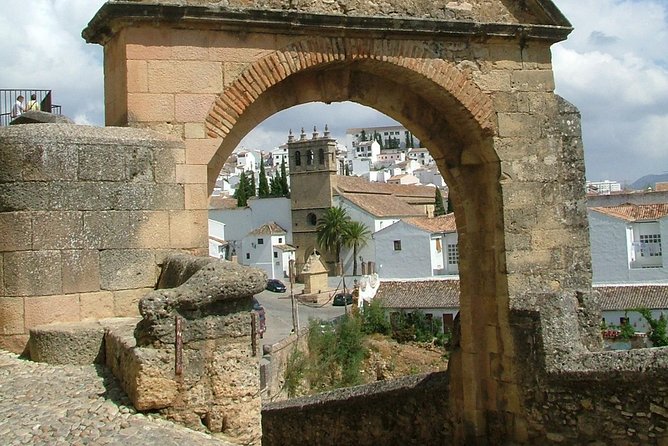
The route then moves through the Arco de Felipe V, an entrance built in the 16th century. It marks the way into the older part of Ronda from the direction of the Old Bridge.
This brief five-minute stop has a simple reward: a framed view of the Church of Father Jesus through the arch. It is the kind of small detail that is easy to miss if you walk alone with your eyes fixed on the larger monuments.
The arch also helps explain how people entered and moved through historic Ronda. The tour does not treat the old quarter as a collection of unrelated buildings. Instead, the route links the bridge, gate, church, and square into a walk through the town’s older structure.
The Salvatierra Palace and architectural detail
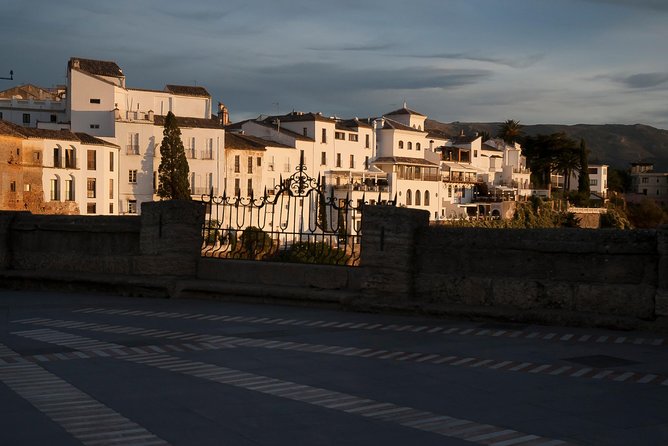
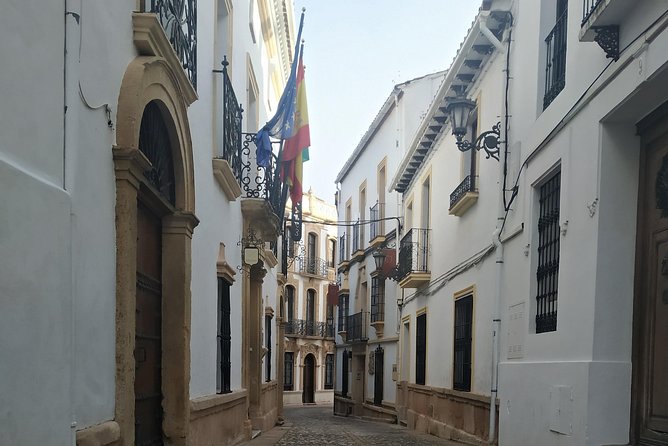
The Palacio de Salvatierra gets another short stop, with about five minutes devoted to its 18th-century facade. Look for the ironwork, wooden entrance, noble coat of arms, and colonial touches.
This is an exterior viewing stop, and admission is not included. The value comes from learning how to read a facade. Ronda’s past is not shown only through grand public monuments. Private residences, doors, ironwork, and coats of arms also reveal who had money and influence.
The stop is brief, so do not expect an interior tour. If architecture interests you, this is a place where your group may want to ask the guide for extra explanation. A private guide can usually spend a little more time on a detail that catches your attention, though the full route still needs to fit within two hours.
Plaza Duquesa de Parcent and Ronda’s religious center
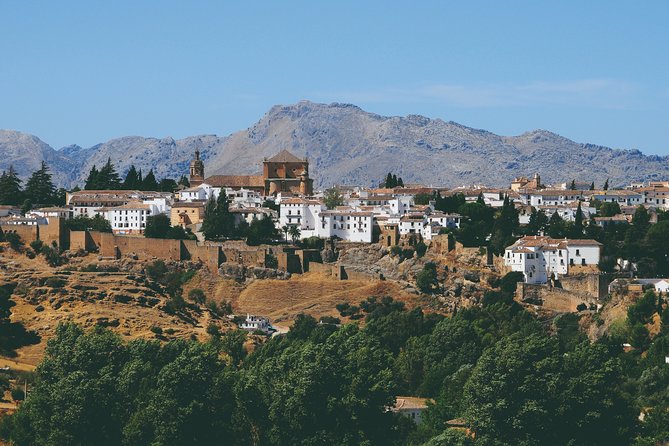
Plaza Duquesa de Parcent is described as Ronda’s most important square. Archaeological remains have been found here, and three Catholic churches point to the area’s long religious importance.
The square includes the City Hall and the Church of Santa María de la Encarnación. You’ll have about 10 minutes to take in the buildings and hear how the center of town changed over time.
This is a useful pause after the dramatic gorge views. Ronda is more than bridges and cliffs. In this square, you get a better sense of civic life, worship, and the older urban core. The church exteriors and public buildings reward attention to small details, especially if your guide points out how different periods appear side by side.
The route does not promise entry into Santa María or the other churches. Think of this as an orientation stop, with the option to return later if you want longer interior visits.
El Campillo and the view toward Grazalema
At Plaza de María Auxiliadora, known locally as El Campillo, you reach another major viewpoint. From here, you can see toward the Sierra de Grazalema, the Hoya del Tajo, and the archaeological site of Acinipo.
The gardens include two pinsapo trees, a fir species of special interest in southern Spain. That small botanical detail gives the stop a different feel from the bridge viewpoints. You are looking not only at Ronda, but also outward toward the mountain country around it.
The stop lasts about 10 minutes. It is a good place to ask the guide to identify the distant sites, since the names can blur together when you are seeing them for the first time. The private format helps here because you can pause over a map or ask the same question twice without holding up a group.
A small church with a colorful facade
Iglesia de Nuestra Señora de la Paz is one of the smaller stops, but it may appeal to you if you enjoy modest buildings with strong local meaning. Its colorful facade and Baroque interior decoration make it one of Ronda’s more attractive small churches.
The church is dedicated to the Virgin of Peace, Ronda’s patroness. That detail adds a local religious connection to the route, rather than leaving you with only famous monuments.
The stop lasts about 10 minutes. The available information does not promise interior admission, so plan on viewing the church as part of the walk unless your guide confirms otherwise. Even from outside, the facade gives you a chance to see a less monumental side of Ronda.
Ending at Mirador de Aldehuela
The tour ends at Mirador de Aldehuela, beside the New Bridge. This final viewpoint brings several sights together: the New Bridge, Old Bridge, Jardines de Cuenca, Casa del Rey Moro, and Plaza de España.
I like ending here because it gives you a last visual summary of the route. After seeing the pieces from different streets and gardens, you can now place them together. The end point is also practical. You are close to the New Bridge, so you can continue exploring, take more photographs, or return to a site that deserved more time.
The listed end address is C. Armiñán, 1, 29400 Ronda. Since the meeting point and finish are both in Ronda, this is best treated as a walking experience in town, not a transfer from Málaga. The location information identifies Málaga province, but the actual start and finish are in Ronda itself.
What the $300.40 price means
The price is $300.40 per group of up to 15 people. For one or two people, that is a serious outlay for a two-hour walk. For a larger family or group of friends, the value changes quickly. Divided among 10 people, it is about $30 per person. With 15 people, it is about $20 per person.
You are paying for a private guide and a planned route, not a bundle of entrance tickets. Most listed stops are free outdoor areas, while bullring admission and the Salvatierra Palace are not included. If you want a ticketed visit, budget for that separately.
The strongest value comes from the guide’s local interpretation. Alfredo has brought personal memories and childhood stories into the route. Marta has been praised for her local connection, and Alberto for a methodical approach that adapts to the people in his group. A French-speaking guide has also led the experience, while English is the stated language offered.
The guide assigned to your booking may differ, so you should not assume you will receive a particular person. Still, the range of feedback points to the quality that matters most here: clear history, personal connection, and practical help, including a dinner recommendation.
Who should book this experience
I would choose this tour if you have only a short time in Ronda and want a strong first orientation. It is also a good fit for a private family group, friends traveling together, or anyone who prefers asking questions without joining a large party.
It suits people who care about viewpoints, town layout, architecture, and local stories. You will see many important places without having to plan the walking order yourself.
I would look elsewhere if you want a slow museum day, included monument admissions, or a detailed interior visit to every church and the bullring. Two hours moves along. You can always return to the bullring, churches, or viewpoints afterward, but the guided portion will not cover them at length.
The tour is offered in English, and service animals are allowed. It is near public transportation, and most people can take part. You should still allow for ordinary walking through an old town and bring shoes suited to streets, steps, and viewpoint paths.
Should you book the Ronda private walk?
Book it if you want Ronda’s major sights tied together by a local guide in a short, private visit. The route gives you the New Bridge from several angles, the bullring setting, old gates, historic squares, churches, and wide views toward the surrounding mountains.
Skip it if you already know Ronda well or want to spend your two hours inside monuments. For first-time visitors, especially groups of several people, the price can be fair because it covers the whole group and ends in the most useful part of town. Free cancellation is available up to 24 hours before the start time, giving you some flexibility if your plans change.
FAQ
Where does the Ronda private tour start?
It starts at Pl. de la Merced, 1, 29400 Ronda, Málaga, Spain, near Alameda del Tajo.
Where does the tour end?
The tour ends at Mirador de Aldehuela on C. Armiñán, beside the New Bridge.
How long does the experience last?
The visit lasts approximately two hours.
How many people can join the private tour?
The price covers one private group of up to 15 people.
Is admission to the bullring included?
No. The bullring is visited from the surrounding area, but admission is not included. You can visit the bullring and its museum separately after the walk.
What is the cancellation policy?
You can cancel up to 24 hours before the local start time for a full refund. Cancellations or changes made less than 24 hours before the start time are not accepted for a refund.
Just added around Malaga
- e-Bike (Self-Guided) Setenil Circular – 41km Easy★ 5.0 · 11 reviews
- e-Bike (Self-Guided) & Winery tour – 20km Easy★ 5.0 · 6 reviews
- Night theatrical visit to the English cemetery★ 4.2 · 5 reviews
- Ronda Private Full Day Wine Tour★ 4.5 · 8 reviews
- 2h E-bike tours+1day extra in Malaga★ 5.0 · 28 reviews
- Wine & Tapas tour by electric bike (e-bike) including Ronda pickup (half day)★ 5.0 · 33 reviews
- Yacht ride in Puerto Banús★ 5.0 · 26 reviews
- Tour the Sanctuary and Walk with the Donkeys and Share their Love★ 5.0 · 13 reviews
Ronda Day Trips from Malaga, compared.
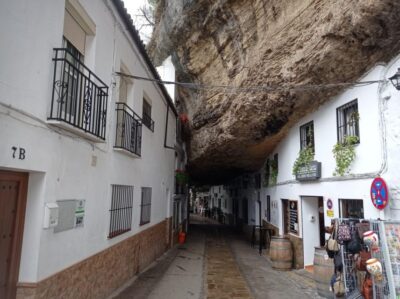
Ronda+Setenil de las Bodegas with Little Train
Read our review →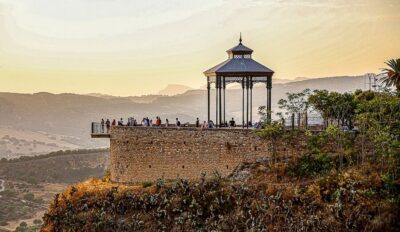
Ronda, Setenil and Sevilla Small Group Tour from Malaga
Read our review →
Ronda and Setenil de las Bodegas tour from Malaga
Read our review →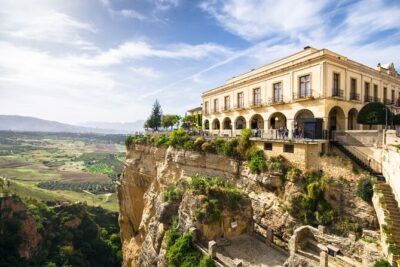
Browse the lists this tour appears in